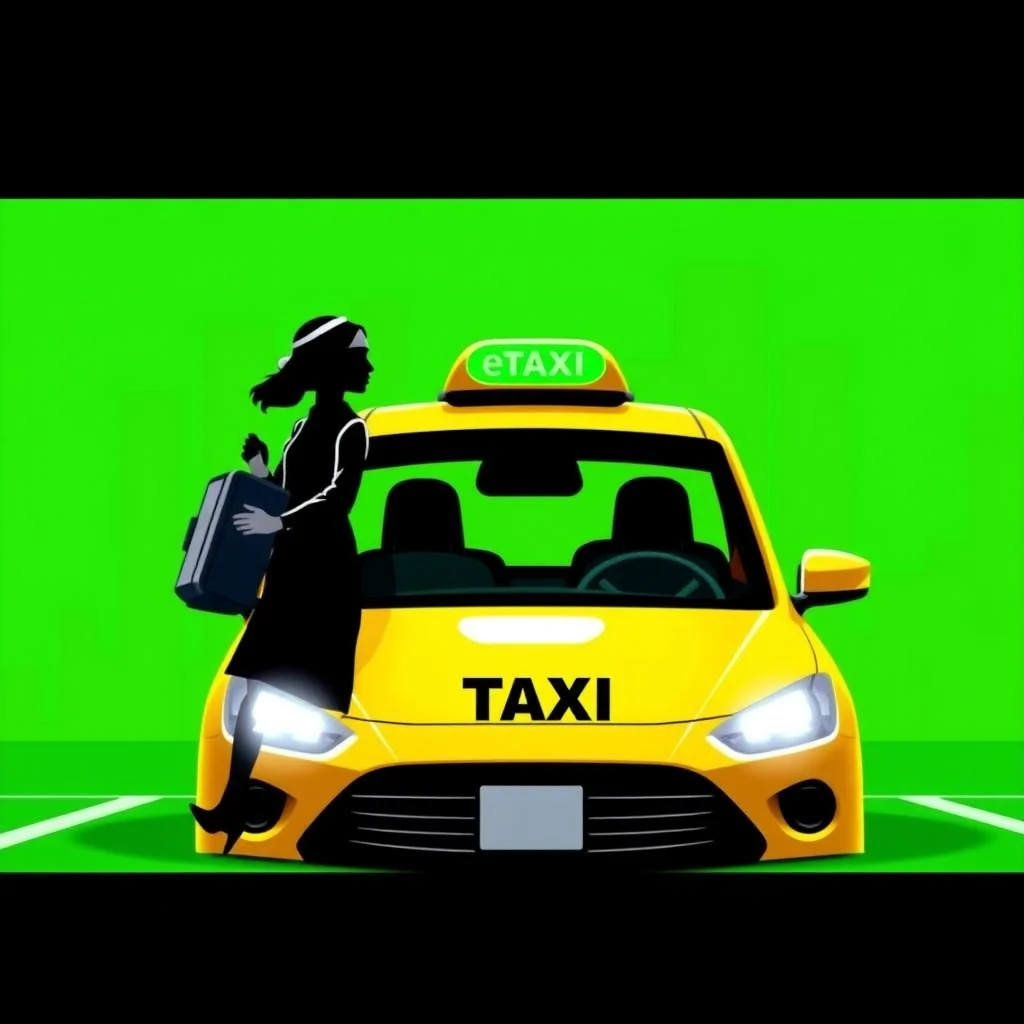
Punjab just made history. On February 27, 2026, Chief Minister Maryam Nawaz officially kicked off Pakistan’s first-ever electric taxi program—the Punjab e-Taxi Scheme 2026. This isn’t just another transport initiative. It’s a bold step toward cleaner cities, smarter mobility, and real economic opportunity—especially for women.
The pilot phase rolled out in Lahore with 1,100 fully electric taxis hitting the streets within 48 hours of launch. These aren’t experimental prototypes. They’re ready-to-serve vehicles designed to cut fuel costs, slash emissions, and give drivers a stable income. And yes, they’re affordable—thanks to a massive government subsidy package worth up to Rs. 4 billion.
What makes this scheme different? It’s not just about going green. It’s about who gets to drive the change. Thirty percent of the e-taxis are reserved for female drivers—a first in Pakistan’s transport sector. That’s not symbolism. That’s strategy.
Key Takeaways from the Punjab e-Taxi Scheme 2026
- 1,100 electric taxis deployed in Lahore as part of the pilot phase
- Rs. 4 billion in subsidies to lower entry barriers for drivers
- 60% down payment coverage for women applicants vs. 15% for general applicants
- 30% reservation for women drivers to boost gender inclusion
- Expansion planned across all 148 tehsils in Punjab
- Integration with existing electric and hybrid bus networks
Why This Scheme Matters for Punjab’s Future
Lahore’s air quality has been a persistent problem. Traffic congestion, outdated engines, and rising fuel prices have made urban transport both expensive and polluting. The Punjab e-Taxi Scheme tackles all three issues at once.
Electric vehicles (EVs) produce zero tailpipe emissions. That means cleaner air for millions. They also cost less to run. A typical燃油 taxi spends over Rs. 15,000 monthly on fuel. An e-taxi? Less than Rs. 5,000. That’s a game-changer for drivers trying to make ends meet.
But the real win is long-term sustainability. The scheme fits squarely into Punjab’s Vision 2030 framework, which prioritizes eco-friendly infrastructure and modern public transit. By starting with taxis, the government is building momentum for wider EV adoption—from buses to delivery vans.
Subsidies That Actually Make a Difference
Let’s talk numbers. Without subsidies, an electric taxi would cost over Rs. 1.2 million—out of reach for most drivers. But under this scheme, the government covers a significant chunk of the down payment.
General applicants pay only 15% upfront, bringing their approximate cost down to Rs. 690,000. Women drivers get an even better deal: 60% coverage, meaning they pay far less out of pocket. This isn’t just fair—it’s smart policy. When women enter male-dominated sectors like transport, entire communities benefit.
“We didn’t want cost to be a barrier,” said a senior transport official during the launch event. “Especially for women who often face additional financial hurdles.”
Women at the Wheel: A Bold Move for Inclusion
Honestly, seeing 30% of e-taxis reserved for women drivers feels revolutionary in Pakistan. Transport has traditionally been a man’s world—literally and figuratively. Female drivers face safety concerns, social stigma, and limited access to financing.
This scheme flips the script. By guaranteeing priority access and heavy subsidies, the Punjab government is sending a clear message: women belong in every sector, including behind the wheel.
Take Ayesha Malik, a 28-year-old from Lahore who applied on day one. “I’ve always loved driving, but no one took me seriously,” she shared. “Now I can earn independently, support my family, and show other girls it’s possible.”
The impact goes beyond income. Female drivers increase passenger confidence—especially among women and families. They also inspire younger generations. As one schoolteacher put it, “My daughter saw a woman driving an e-taxi yesterday. She said, ‘Mama, I want to do that too.’”
Training and Support Go Hand-in-Hand
It’s not just about handing over keys. The government is partnering with local EV manufacturers and training institutes to provide:
- Free driving certification for new applicants
- Basic maintenance workshops
- Safety protocols for night shifts
- Digital literacy training for app-based bookings
This holistic approach ensures drivers aren’t just equipped with a vehicle—they’re set up for success.
From Lahore to Every Tehsil: The Expansion Plan
The pilot in Lahore is just the beginning. Within weeks, the scheme will roll out to major cities like Faisalabad, Multan, and Rawalpindi. But the real ambition? Reaching all 148 tehsils across Punjab—including rural areas often left behind in development projects.
Why rural inclusion? Because mobility shouldn’t be a privilege of urban dwellers. Farmers, students, and small business owners in remote regions need reliable, affordable transport too. Electric taxis can bridge that gap—especially when paired with charging stations powered by solar energy.
The government also plans to integrate e-taxis with existing green transport networks. Imagine booking an electric bus from your village to the city center, then hopping into an e-taxi for the last mile—all through one app. That’s the vision.
Charging Ahead: Infrastructure Isn’t an Afterthought
Critics might ask: “What about charging stations?” Fair question. But Punjab hasn’t overlooked it. Over 200 fast-charging points are already operational in Lahore, with 500 more planned by mid-2026. Many will be located at bus terminals, markets, and government buildings—places drivers already frequent.
Plus, most e-taxis come with home-charging kits. Drivers can plug in overnight and start each day with a full battery. No more waiting in long fuel lines or worrying about price hikes.
How to Apply for the Punjab e-Taxi Scheme 2026
Interested? Here’s what you need to know:
- Eligibility: Must be a Pakistani citizen, resident of Punjab, aged 21–50, with a valid driving license.
- Documents: CNIC, driving license, domicile certificate, and two recent photographs.
- Application: Submit online via the official Punjab Transport Department portal or visit designated centers in major cities.
- Selection: Priority given to women, unemployed youth, and low-income applicants.
- Payment: Pay the subsidized down payment; remaining amount financed through low-interest loans.
The process is designed to be transparent and accessible. No middlemen. No hidden fees.
Frequently Asked Questions
How many electric taxis are available in the first phase?
The pilot phase includes 1,100 electric taxis, all deployed in Lahore starting February 29, 2026.
What is the exact subsidy amount for women drivers?
Women receive 60% coverage of the down payment, significantly reducing their upfront cost compared to the standard 15% for general applicants.
Can I drive an e-taxi if I live outside Lahore?
Not yet—but expansion to other districts begins within weeks. Check the official portal for updates on your city.
Are there maintenance costs after purchase?
Yes, but they’re much lower than燃油 vehicles. Battery warranties cover 5 years, and routine servicing is available at partnered centers.
What happens if I can’t repay the loan?
The government offers flexible repayment plans and hardship assistance. Default doesn’t mean losing the vehicle immediately—support is built in.
Final Thoughts
This isn’t just a taxi scheme. It’s a blueprint for inclusive, sustainable development. By combining green technology with gender equity, Punjab is setting a new standard—not just for Pakistan, but for the region.
We’ve seen similar programs fail elsewhere due to poor planning or lack of subsidies. But here, the pieces are falling into place: strong political will, real funding, community engagement, and a clear roadmap.
If you’re a driver looking for stability, a woman seeking economic independence, or a citizen tired of polluted skies—this is your moment. The wheels are turning. Literally.
For more updates on Punjab’s green initiatives, check out our related guides on the Punjab Green Tractor Program and technical job opportunities in public sectors. Sustainable progress starts with smart choices—and Punjab is choosing wisely.