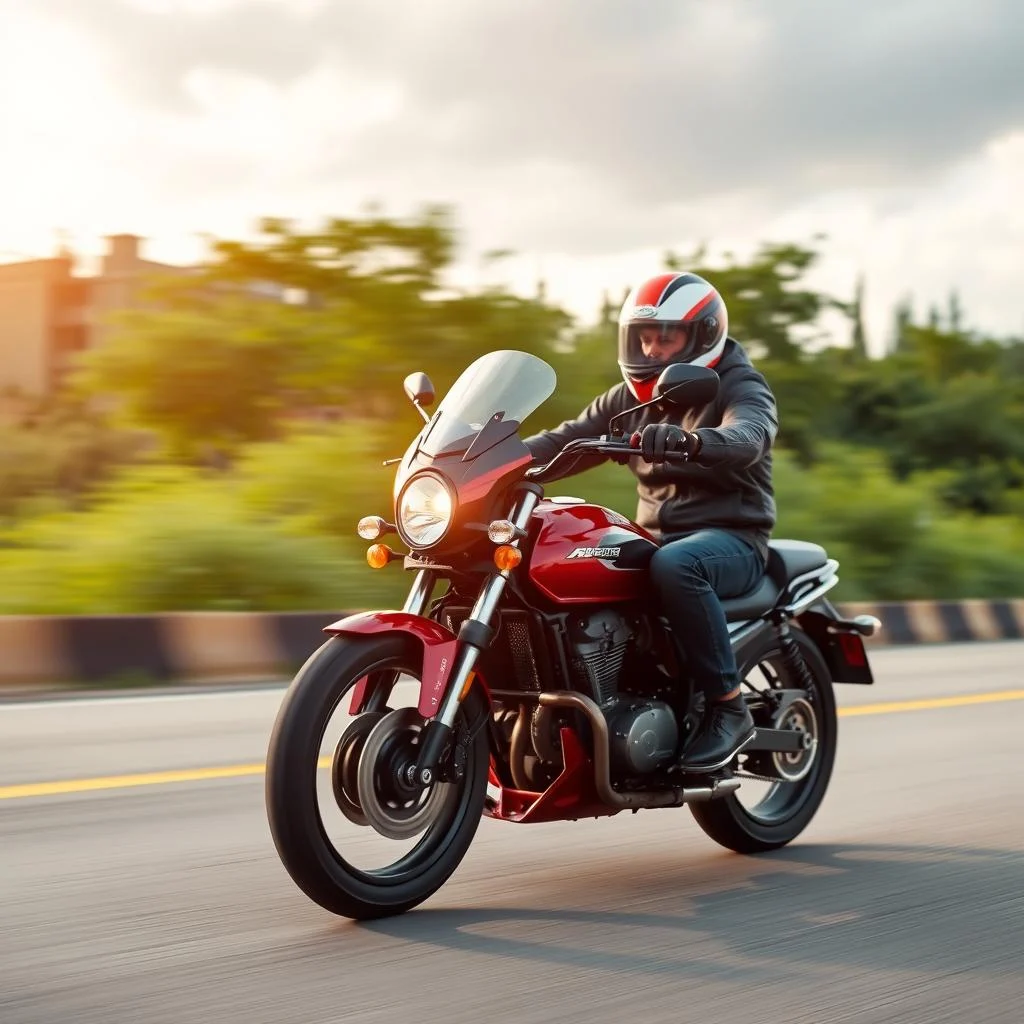
Why Motorcycles Are More Popular Than Ever in 2026
Motorcycles aren’t just vehicles—they’re lifestyles. In 2026, more riders than ever are hitting the open road, drawn by freedom, fuel efficiency, and the thrill of two wheels. I’ve been riding for over a decade, and I’ve never seen the community grow like this. From urban commuters to weekend adventurers, people are choosing motorcycles for practical and personal reasons.
Sales data from the Motorcycle Industry Council shows a 17% increase in new motorcycle registrations in the U.S. between 2023 and 2025. That momentum is carrying into 2026. What’s driving it? Rising gas prices, traffic congestion, and a renewed interest in outdoor recreation. Plus, electric motorcycles are finally hitting their stride, offering quiet, clean rides without sacrificing performance.
But with more bikes on the road comes greater responsibility. Safety can’t be an afterthought. Whether you’re shopping for motorcycles for sale or just curious about the culture, understanding the full picture—gear, laws, insurance, and maintenance—is essential.
The State of Motorcycle Safety in 2026
Let’s talk about the hard truth: motorcyclists are 28 times more likely to die in a crash than passenger car occupants, according to the National Highway Traffic Safety Administration (NHTSA). That stat hasn’t changed much in recent years, which is why safety remains the top priority for riders and regulators alike.
One of the biggest factors? Helmets. Wearing a DOT-compliant motorcycle helmet reduces the risk of death by 37% and the risk of head injury by 69%. Yet, only 19 states and Washington, D.C., have universal helmet laws. In states like Texas and California, where helmet use is optional for riders over 21, fatalities have risen steadily.
I remember a close call I had last year on Highway 101. A distracted driver swerved into my lane. I braked hard, leaned into the turn, and walked away with just bruises—thanks to my full-face helmet. That moment reminded me why gear matters. It’s not just about looking cool. It’s about survival.
Beyond helmets, visibility is key. Bright jackets, reflective tape, and LED lights make a huge difference. So does training. The Motorcycle Safety Foundation (MSF) reports that riders who complete a certified course are 40% less likely to be involved in a crash. If you’re new to riding, don’t skip the basics. Take a class. Practice in empty parking lots. Build confidence before hitting busy streets.
Where to Buy Motorcycles in 2026: A Buyer’s Guide
Looking for motorcycles for sale? You’ve got options. But not all dealerships are created equal. Whether you’re in Texas, California, or somewhere in between, knowing where to shop can save you time, money, and headaches.
Start with local motorcycle dealers near me. These aren’t just showrooms—they’re hubs for service, parts, and community. A good dealer will help you find the right bike for your skill level, explain financing options, and offer test rides. They’ll also guide you through registration and insurance, which can be confusing if you’re new.
In Texas, shops like RideNow Powersports and Lone Star Harley-Davidson have strong reputations for customer service and inventory. In California, dealerships such as MotoCity and Cycle Gear stores often carry a wide range of brands, from Harley-Davidson to Honda, Yamaha, and emerging electric models like Zero Motorcycles.
But don’t limit yourself to big names. Independent motorcycle shops near me often have better prices, personalized service, and access to rare or vintage models. I bought my first bike from a small shop in Austin. The owner spent two hours walking me through maintenance, even though I was just buying a used Honda CB500F. That kind of care builds loyalty.
Online marketplaces like Cycle Trader and Facebook Marketplace are also popular for finding motorcycles for sale. Just be cautious. Always inspect the bike in person, check the VIN, and ask for maintenance records. Scams happen. I’ve seen listings for “like-new” bikes that turned out to have salvage titles or hidden engine damage.
Motorcycle Insurance: What You’re Paying For
Insurance isn’t optional—it’s the law in every state. But what are you actually getting for your premium?
Motorcycle insurance covers liability, collision, comprehensive, and sometimes medical payments or uninsured motorist protection. Rates vary widely based on your age, location, riding history, and the type of bike you own. Sport bikes cost more to insure than cruisers or standard models because they’re statistically more likely to be involved in high-speed crashes.
In 2026, the average annual premium for motorcycle insurance in the U.S. is around $600. But in high-risk areas like Los Angeles or Houston, that number can double. I pay $850 a year for my Suzuki V-Strom 650. It’s not cheap, but it’s peace of mind.
Here’s a tip: bundle your policies. If you already have auto or home insurance, ask your provider about a multi-policy discount. Some companies offer up to 15% off for bundling. Also, consider taking a safety course. Many insurers offer discounts for MSF graduates—sometimes as much as 10%.
Keep in mind, liability-only coverage is the minimum required, but it won’t pay for your bike if it’s damaged or stolen. If you’ve invested in a newer or high-value motorcycle, full coverage is worth the extra cost. I learned that the hard way when my bike was vandalized in a parking lot. Without comprehensive coverage, I’d have been out $8,000.
The Rise of Electric Motorcycles
Electric motorcycles aren’t the future—they’re here. In 2026, brands like Zero, Energica, and Harley-Davidson’s LiveWire are gaining serious traction. Why? They’re quiet, fast, and require far less maintenance than gas-powered bikes.
Zero’s SR/F, for example, goes 0 to 60 mph in 3.3 seconds and has a range of up to 161 miles on a single charge. That’s enough for most daily commutes and weekend rides. Charging takes about an hour on a Level 2 charger, and many cities now have public charging stations near popular riding routes.
But range anxiety is still a concern. Unlike gas stations, charging infrastructure isn’t everywhere—yet. If you’re planning a long trip, you’ll need to map out charging stops in advance. Apps like PlugShare and A Better Routeplanner can help.
Another advantage? Lower operating costs. Electricity is cheaper than gasoline, and electric motors have far fewer moving parts. No oil changes, no spark plugs, no exhaust systems. I test-rode a Zero SR/F last month. The silence was surreal. No engine rumble, just wind and road noise. It felt like flying.
Still, electric bikes come with trade-offs. They’re heavier due to battery packs, and replacement batteries can cost $5,000 or more. Resale value is also uncertain, as the technology is still evolving. But for city riders and eco-conscious commuters, they’re a compelling option.
Motorcycle Shops Near Me: More Than Just Repairs
Walking into a motorcycle shop isn’t like walking into a car dealership. It’s a culture. The smell of oil, the sound of engines being tuned, the walls lined with helmets and jackets—it’s a place where passion meets practicality.
Motorcycle shops near me do more than fix bikes. They host events, offer riding clinics, and connect riders through clubs and group rides. In Texas, shops like Texas Harley-Davidson in Fort Worth sponsor charity rides and bike nights. In California, shops like Moto Guzzi of Los Angeles host demo days where you can test ride multiple models.
These shops also carry essential gear. A good motorcycle helmet isn’t just a requirement—it’s your first line of defense. Look for DOT, ECE, or Snell certification. Full-face helmets offer the best protection, but modular and open-face styles are popular for comfort and visibility.
I always buy my helmets from local shops. Why? Because I can try them on. Fit is everything. A helmet that’s too tight causes headaches. One that’s too loose won’t protect you in a crash. Staff at reputable shops know the brands and can help you find the right size and style.
They also sell riding jackets, gloves, boots, and protective pants. Leather offers great abrasion resistance, but modern textiles like Cordura and Kevlar blends are lighter and more breathable. Some jackets even come with built-in airbag systems that deploy in milliseconds during a crash.
Choosing the Right Motorcycle for Your Lifestyle
Not all motorcycles are built the same. Your choice should match how you plan to ride.
Commuters: If you’re riding to work every day, consider a standard or naked bike like the Yamaha MT-07 or Honda CB650R. They’re lightweight, fuel-efficient, and easy to handle in traffic.
Touring: For long-distance rides, look at adventure bikes like the BMW R 1250 GS or Kawasaki Versys 1000. They have comfortable seats, wind protection, and luggage options.
Cruisers: If you love the open road and a relaxed riding position, Harley-Davidson Softail or Indian Chief models are classic choices.
Sport Bikes: These are for speed and agility. The Yamaha YZF-R1 or Ducati Panigale V4 are track-ready, but they’re not ideal for daily commuting.
Beginners: Start small. A 250cc to 500cc bike like the Kawasaki Ninja 400 or Suzuki SV650 is perfect for learning. They’re manageable, affordable, and forgiving.
I started on a Kawasaki KLX250S—a dual-sport bike that handled both pavement and dirt. It taught me balance, throttle control, and how to read the road. When I upgraded, I kept it for weekend trail rides.
Maintenance Tips to Keep Your Bike Running Smoothly
A motorcycle is only as good as its maintenance. Neglect it, and you’ll pay the price—in breakdowns, repairs, or worse, accidents.
Here’s what you need to check regularly:
– Tires: Look for wear, cracks, and proper pressure. Underinflated tires reduce handling and increase stopping distance.
– Brakes: Check pad thickness and brake fluid levels. Squeaking or spongy levers mean it’s time for service.
– Chain: Keep it clean and lubricated. A loose or dry chain can snap under load.
– Fluids: Change engine oil every 3,000 to 5,000 miles. Check coolant and brake fluid levels monthly.
– Lights: Test headlights, brake lights, and turn signals before every ride.
I do basic maintenance myself—oil changes, chain cleaning, tire checks. But I take my bike to a shop for major services like valve adjustments or suspension tuning. It’s worth the cost to have a professional eye on critical components.
Keep a logbook. Note every service, repair, and mileage. It helps track patterns and increases resale value. Plus, if you ever sell your bike, buyers appreciate documented care.
Legal Requirements and Riding Laws in 2026
Riding a motorcycle isn’t just about skill—it’s about knowing the rules.
Every state requires a motorcycle endorsement on your driver’s license. To get one, you’ll need to pass a written test and a riding skills test. Some states allow you to waive the skills test if you complete an approved safety course.
Helmet laws vary. As mentioned, only 19 states require all riders to wear helmets. In others, it’s optional for adults. But even if it’s not required, wear one. The data doesn’t lie.
Lane splitting—riding between lanes of slow or stopped traffic—is legal only in California. In all other states, it’s either illegal or unregulated. Don’t assume it’s safe just because you’ve seen it done.
Insurance is mandatory. Minimum coverage varies by state, but liability is non-negotiable. Some states also require uninsured motorist coverage.
And don’t forget registration and emissions. Most states require annual registration and, in some areas, smog checks. Keep your paperwork current to avoid fines.
The Motorcycle Community: More Than Just Riders
One of the best parts of riding? The people.
Motorcycle clubs, online forums, and social media groups connect riders across the country. Whether you’re into Harleys, sport bikes, or vintage models, there’s a community for you.
I’m part of a local ADV (adventure) riding group. We meet monthly, plan weekend trips, and share tips on gear and routes. Last year, we rode from Denver to Moab—over 500 miles of desert, mountains, and backroads. It was challenging, but the camaraderie made it unforgettable.
Events like Bike Week in Daytona and Sturgis draw hundreds of thousands of riders. They’re not just about parties—they’re celebrations of freedom, craftsmanship, and shared passion.
And it’s not all about speed and adrenaline. Many riders use their bikes for charity. Organizations like Ride for Dad raise millions for prostate cancer research. Others support veterans, first responders, or environmental causes.
Riding brings people together. It breaks down barriers. You don’t need to know someone to strike up a conversation at a gas station. A nod, a wave, a shared love of the road—that’s the motorcycle spirit.
Future Trends: What’s Coming in 2026 and Beyond
The motorcycle industry is evolving fast. Here’s what to watch:
– Smart Helmets: Helmets with built-in heads-up displays, GPS, and Bluetooth are hitting the market. They let you see navigation, answer calls, and monitor speed without taking your eyes off the road.
– Autonomous Safety Features: While full self-driving bikes aren’t here yet, features like collision warning, blind-spot detection, and adaptive cruise control are being tested.
– Sustainable Materials: Brands are experimenting with recycled plastics, bio-based composites, and vegan leather for gear and bike components.
– Urban Mobility: As cities get more congested, motorcycles and scooters are becoming key to efficient transportation. Expect more bike-sharing programs and dedicated lanes.
I’m excited about the future. But no matter how advanced bikes get, the core of riding will stay the same: freedom, connection, and the thrill of the ride.
Frequently Asked Questions
What should I look for when buying a used motorcycle?
Always check the VIN, service history, and overall condition. Look for signs of damage, rust, or poor maintenance. Take it for a test ride and, if possible, have a mechanic inspect it. Avoid bikes with salvage titles unless you’re experienced and prepared for potential issues.
Is motorcycle insurance expensive?
It depends on your age, location, bike type, and riding record. On average, expect to pay $500–$1,000 per year. Sport bikes and riders under 25 typically face higher premiums. Bundling policies and taking safety courses can reduce costs.
Do I need a special license to ride a motorcycle?
Yes. You need a motorcycle endorsement on your driver’s license. Requirements vary by state but usually include a written test and a riding skills test. Completing a certified safety course can often waive the skills test.
Are electric motorcycles worth it?
They’re ideal for city commuting and eco-conscious riders. They’re quiet, low-maintenance, and cheaper to operate. However, range and charging infrastructure can be limiting for long trips. If you mostly ride locally, they’re a great choice.
Where can I find motorcycle shops near me?
Use online directories like Google Maps or Yelp. Search for “motorcycle shops near me” or “motorcycle dealers near me.” Look for shops with good reviews, certified technicians, and a range of services. Visiting in person helps you assess their expertise and inventory.
Riding a motorcycle is more than transportation—it’s a mindset. It’s about being present, aware, and connected to the world around you. Whether you’re browsing motorcycles for sale, upgrading your gear, or just dreaming of your next ride, remember: safety comes first, community matters, and the road is always calling.
For more lifestyle and design inspiration, check out these related reads:
15 Innovative Bedroom Styles Taking Over in 2026
Future-Ready Bedroom Trends for 2026 You Should Try
Small Spaces, Big Style: Simple and Elegant Guest Bathroom Design Ideas for Beginners
Keep the rubber side down. Ride smart. Ride often.