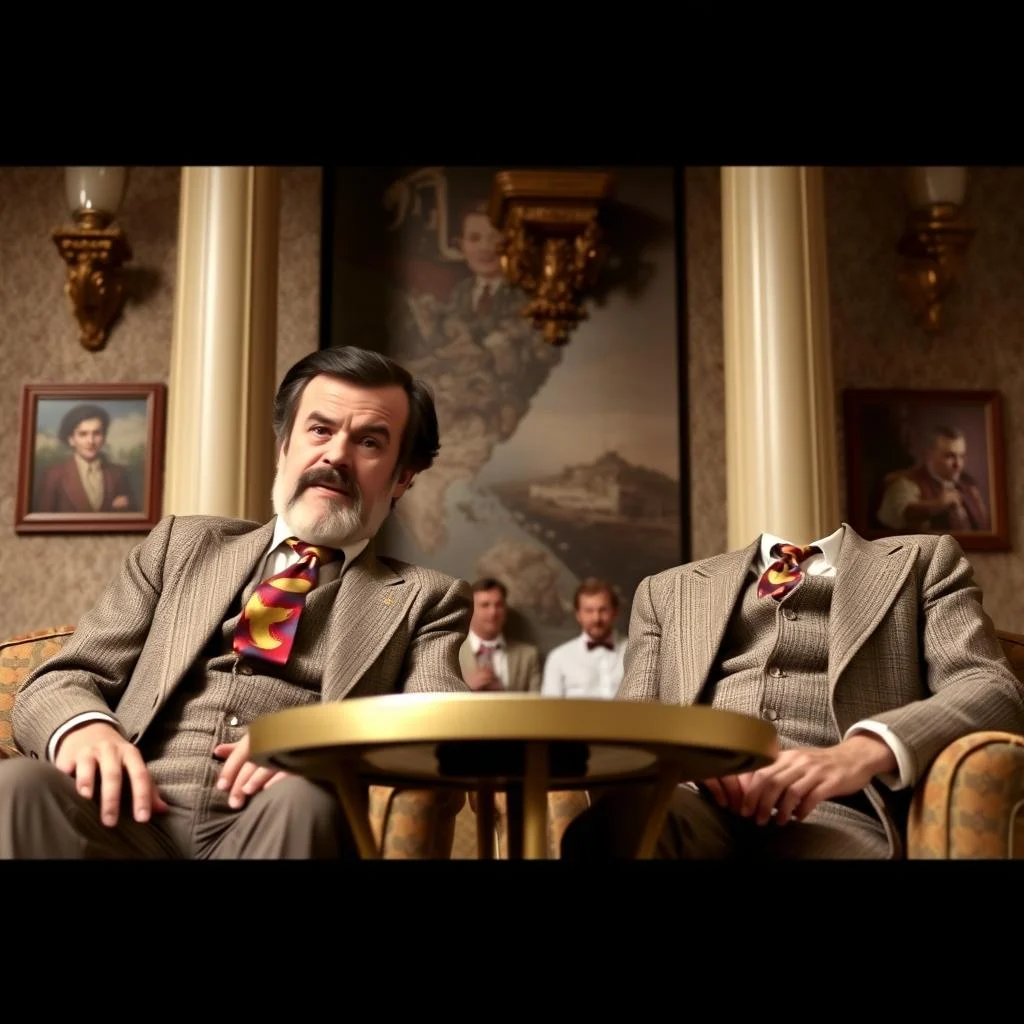
Let’s get one thing straight: Fawlty Towers isn’t just a sitcom. It’s a masterclass in chaos, character, and comedic timing that somehow gets sharper with age. I first saw it as a teenager, flipping through late-night reruns on British TV. At the time, I didn’t get all the jokes. But years later, after rewatching it during a particularly stressful week at work, I realized something: this show isn’t just funny—it’s painfully relatable.
Created by John Cleese and Connie Booth, Fawlty Towers aired only 12 episodes across two seasons in the 1970s. Yet, it’s consistently ranked among the greatest British comedies of all time. In fact, a 2023 BBC poll placed it at number one—again. How does a show with such a short run still dominate conversations in 2026? Simple: it’s built on flawless writing, unforgettable characters, and a level of cringe humor that feels more real than most modern sitcoms.
Whether you’re hunting for Fawlty Towers streaming options, curious about the Fawlty Towers cast, or just want to know why “Don’t mention the war!” is still quoted in offices and classrooms, this guide covers it all. And yes, we’ll talk about that infamous “Fawlty Towers the Germans” episode—because no discussion of this show is complete without it.
Key Takeaways: What Makes Fawlty Towers Timeless
- Only 12 episodes ever made—yet it’s still considered one of the greatest sitcoms in history.
- John Cleese’s Basil Fawlty is a masterclass in repressed rage and social ineptitude.
- The show’s humor relies on physical comedy, verbal sparring, and situational absurdity—not punchlines.
- Fawlty Towers streaming is now widely available on major platforms, including BritBox and Amazon Prime.
- The Fawlty Towers cast included Prunella Scales (Sybil), Andrew Sachs (Manuel), and Connie Booth (Polly)—all delivering iconic performances.
- Despite its age, the show feels fresh because it mocks universal human flaws: pride, incompetence, and the desire to appear in control.
The Genius Behind the Madness: Writing and Structure
Most sitcoms today rely on rapid-fire jokes or serialized story arcs. Fawlty Towers does neither. Each episode is a tightly wound pressure cooker of escalating mishaps, where one small mistake snowballs into full-blown disaster. There’s no filler. No subplots. Just pure, unrelenting chaos centered around Basil’s desperate attempts to keep his hotel—and his dignity—afloat.
Cleese and Booth wrote every episode together, often drawing from real-life experiences. Cleese once managed a hotel in Cornwall and famously said, “I based Basil on every hotel manager I’ve ever met.” That authenticity shows. The frustration, the passive-aggressive notes, the way Basil treats guests like minor inconveniences—it all rings true.
Take “The Hotel Inspectors” episode. A simple mix-up leads Basil to believe a guest is a secret inspector. His over-the-top attempts to impress him—only to humiliate himself repeatedly—are hilarious because they’re rooted in a very human fear: being judged. Sound familiar? We’ve all overcompensated in front of a boss or client.
What’s more, the show uses minimal sets. Almost everything happens within the hotel’s lobby, dining room, and a few bedrooms. This forces the comedy to come from dialogue and performance, not visual gags or special effects. It’s theater disguised as television.
The Cast That Defined a Generation
You can’t talk about Fawlty Towers without praising its Fawlty Towers cast. Each actor brought something unique to the table, creating a dynamic that still feels electric decades later.
John Cleese as Basil Fawlty
Cleese didn’t just play Basil—he embodied him. Tall, lanky, and perpetually exasperated, Basil is a man constantly one step away from a nervous breakdown. His physical comedy—slamming doors, miming frustration, tripping over suitcases—is legendary. But it’s his dialogue that seals the deal. Lines like “I’m not going to take this lying down!” (delivered while literally lying on the floor) showcase Cleese’s genius for contradiction and irony.
Prunella Scales as Sybil Fawlty
Sybil is the iron fist in the velvet glove. She’s sharp, domineering, and always right—at least in her mind. Scales played her with such chilling precision that Sybil became a cultural archetype: the nagging wife who’s somehow both terrifying and pitiable. Their marriage is less a partnership and more a cold war fought over tea trays and tax returns.
Andrew Sachs as Manuel
Manuel, the Spanish waiter who speaks almost no English, is both the butt of the joke and its heart. Sachs’ performance is physical comedy at its finest—his wide-eyed confusion, exaggerated gestures, and tragicomic loyalty make him oddly endearing. The “Fawlty Towers the Germans” episode, where Manuel accidentally serves a dead rat as a gourmet dish, is a standout. It’s absurd, yes, but also strangely poignant.
Connie Booth as Polly Sherman
As the sensible art student and part-time waitress, Polly is the audience’s anchor. She’s the only one who sees through Basil’s bluster and tries to keep things civil. Booth, who co-wrote the series, brought a grounded realism to the role. Polly isn’t just a straight man—she’s the moral center of the chaos.
Together, this cast created a perfect storm of dysfunction. They didn’t just act; they reacted. Their timing was impeccable, often relying on improvisation during rehearsals. Cleese has said that many of the funniest moments came from unscripted interactions, like when Sachs accidentally knocked over a tray during a scene and they kept rolling.
Where to Watch Fawlty Towers in 2026
If you’re ready to dive in, you’re in luck. Fawlty Towers streaming is more accessible than ever. Here’s where you can find it:
- BritBox: The go-to for British classics. All 12 episodes are available, plus behind-the-scenes specials and cast interviews.
- Amazon Prime Video: Available for rent or purchase. Some regions include it with Prime membership.
- BBC iPlayer: If you’re in the UK, you can stream episodes for free with a valid TV license.
- YouTube: While full episodes are rare due to copyright, you’ll find clips, retrospectives, and fan edits—great for sampling the humor.
Believe it or not, physical media still has a place. The complete DVD and Blu-ray sets include commentary tracks, deleted scenes, and documentaries like “Fawlty Towers: Reopened.” These extras offer fascinating insights into the writing process and production challenges.
Keep in mind, availability varies by region. If you’re outside the UK, using a VPN might help access BritBox or BBC iPlayer—but always check local laws first.
Why “The Germans” Episode Still Sparks Debate
No discussion of Fawlty Towers is complete without addressing “The Germans” episode. It’s arguably the most famous—and controversial—installment in the series.
In this episode, Basil’s mother dies, and he’s in a fragile emotional state. When a group of German tourists checks in, he snaps: “Don’t mention the war!”—a line that’s now etched into pop culture history. The episode includes a scene where Basil, dressed as a Nazi officer, stumbles through the hotel, shouting absurd commands.
At the time, some critics accused the show of being offensive. But Cleese has always defended it, calling it a satire of British hypocrisy and repressed anger. “It’s not about Germans,” he said in a 2020 interview. “It’s about how we pretend to be polite while seething inside.”
And he’s right. The humor isn’t in mocking Germans—it’s in exposing Basil’s own insecurity and prejudice. He’s not a hero; he’s a flawed man lashing out at the world. That nuance is what makes the episode endure, even as societal sensitivities evolve.
What’s more, the episode showcases the show’s brilliance in escalation. What starts as a minor irritation—loud guests, a noisy fire alarm—spirals into full-blown farce. By the end, Basil is literally on fire (a candlestick mishap), and the hotel is in shambles. It’s chaos, but it’s controlled chaos—written with such precision that every beat lands.
The Legacy of Fawlty Towers: Influence on Modern Comedy
You’ve probably seen Fawlty Towers’ influence without realizing it. Shows like The Office, Parks and Recreation, and even Brooklyn Nine-Nine borrow from its formula: a flawed protagonist, a dysfunctional workplace, and humor derived from social awkwardness.
But here’s the difference: modern sitcoms often soften their characters. Basil Fawlty is unapologetically rude, selfish, and incompetent. He doesn’t learn lessons. He doesn’t grow. And that’s why he’s so compelling. He’s not meant to be liked—he’s meant to be watched, winced at, and occasionally admired for his sheer audacity.</p
Comedians still reference the show. Ricky Gervais has called it “the perfect sitcom.” John Oliver quotes Basil in his monologues. Even TikTok creators do skits模仿ing Manuel’s accent and Basil’s meltdowns.
The show also paved the way for single-camera comedies. Before Fawlty Towers, most British sitcoms used laugh tracks and multi-camera setups. Cleese and Booth opted for a cinematic style—no audience, no canned laughter, just raw performance. This approach is now standard in prestige comedy.
Fawlty Towers Full Episodes: A Viewer’s Guide
If you’re new to the series, start with these standout Fawlty Towers episodes:
- Gourmet Night: Basil tries to impress a food critic. Hilarity ensues when the kitchen burns down and Manuel serves a ruined steak.
- The Builders: Basil hires incompetent workmen to fix a wall. The result? A collapsing ceiling and a flooded lobby.
- The Kipper and the Corpse: A guest dies in his room. Basil’s attempts to hide the body lead to near-disaster.
- The Wedding Party: A raucous wedding reception turns the hotel upside down. Polly tries to maintain order while Basil loses his mind.
Each episode runs about 30 minutes—perfect for a quick laugh or a deep dive into comedic craftsmanship. And because there are only 12, you can binge the entire series in a weekend.
The Fawlty Towers Play: Live Comedy Revived
In 2016, a stage adaptation titled Fawlty Towers Live toured the UK. Starring Clive Hayward as Basil, the play recreated iconic scenes with live audiences. Reviews were mixed—some fans missed Cleese’s physicality—but it proved the material’s enduring appeal.
What’s more, the Fawlty Towers play highlighted how the show’s humor translates to the stage. The timing, the slapstick, the rapid-fire dialogue—it all works without a camera. That’s a testament to the writing.
Rumors of a new adaptation or reboot surface every few years. So far, Cleese has shut them down. “You can’t improve on perfection,” he said in 2022. And honestly, he’s right. Trying to remake Fawlty Towers would be like trying to rebuild the Mona Lisa with crayons.
Why It Still Resonates in 2026
In an age of streaming overload and algorithm-driven content, Fawlty Towers stands out because it’s human. It’s not trying to be edgy or politically correct. It’s just observing people at their worst—and finding the humor in that.
We live in a world of performative professionalism. LinkedIn posts about “hustle culture,” Instagram highlights of perfect vacations, TikTok videos of flawless routines. Fawlty Towers reminds us that behind the facade, we’re all a little broken. We all have moments where we want to scream into a pillow, blame someone else, or pretend everything’s fine when it’s clearly not.
Basil Fawlty is that part of us. The part that snaps when the Wi-Fi goes down. The part that overreacts to a wrong order. The part that desperately wants to be seen as competent, even when we’re falling apart.
And that’s why we keep coming back. Not for the jokes, but for the recognition. “Oh, that’s me,” we think. “That’s all of us.”
Final Thoughts: A Comedy That Doesn’t Need Updating
Fawlty Towers doesn’t need a reboot. It doesn’t need a spin-off. It doesn’t need to be “reimagined for a new generation.” It’s already perfect as it is.
Its humor is timeless because it’s rooted in universal truths: pride, frustration, and the absurdity of daily life. Whether you’re watching it on Fawlty Towers streaming platforms, reading about the Fawlty Towers cast, or quoting “Don’t mention the war!” at a family dinner, you’re participating in a legacy that refuses to fade.
So go ahead. Watch an episode. Laugh. Wince. Maybe even see a bit of yourself in Basil’s chaotic energy. Because in a world that often takes itself too seriously, Fawlty Towers reminds us to laugh at our flaws—and maybe, just maybe, learn to live with them.
And if you’re looking for more classic British humor or need a break from modern sitcoms, check out these related reads: