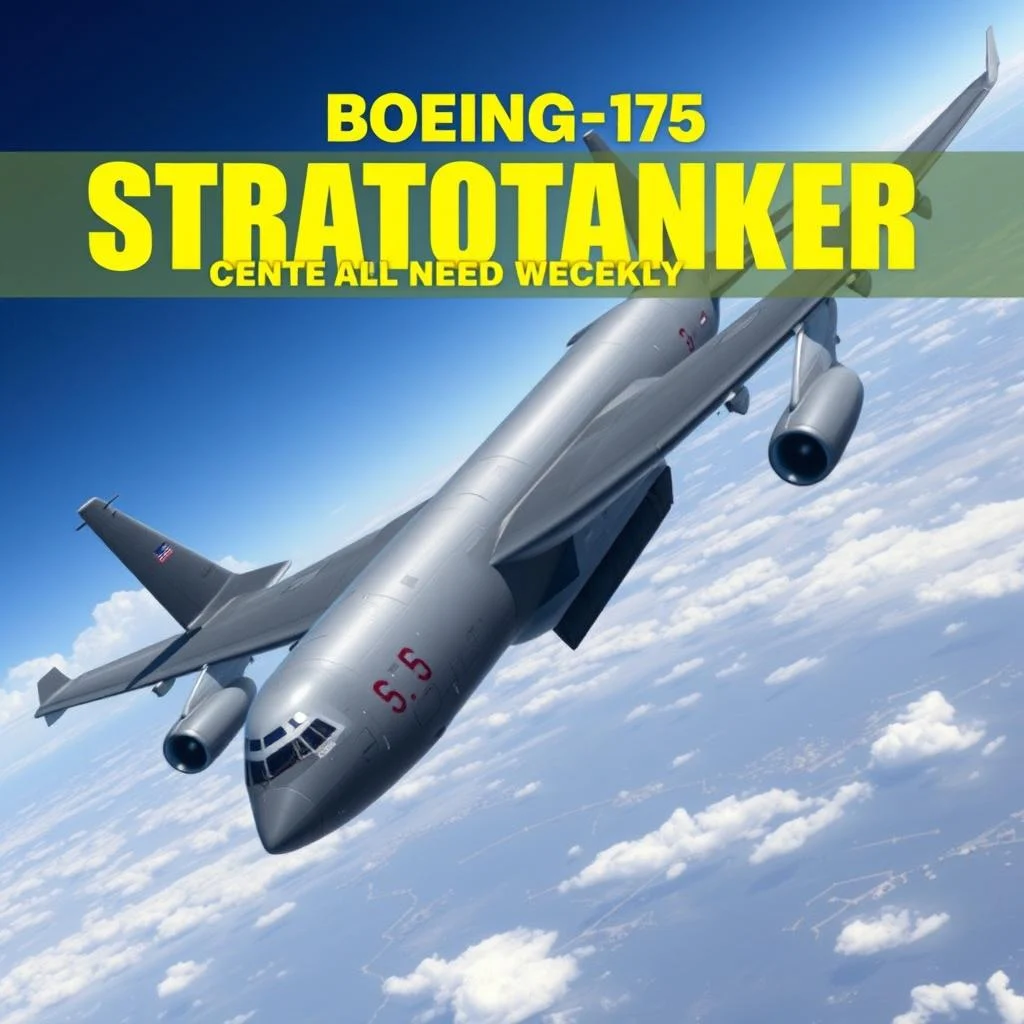
The KC-135 Still Rules the Skies—Here’s Why
I’ve spent years tracking military aviation, and if there’s one aircraft that never gets the spotlight it deserves, it’s the Boeing KC-135 Stratotanker. This isn’t some flashy fighter jet or a next-gen stealth bomber. It’s a tanker. Quiet. Unseen. Essential. And in 2026, it’s still flying missions that keep America’s airpower alive.
Believe it or not, the KC-135 has been in service since 1957. That’s right—over 65 years. Most commercial planes retire after 25. Yet here we are, watching this workhorse refuel everything from F-22 Raptors to B-2 Spirits mid-flight. The best part? It’s not going anywhere anytime soon.
Key Facts About the Boeing KC-135 Stratotanker
Let’s cut to the chase. What makes the KC-135 so indispensable?
- First Flight: August 31, 1956
- Introduced: 1957
- Primary Operator: United States Air Force (USAF)
- Current Active Fleet: Approximately 396 aircraft (as of 2025)
- Manufacturer: Boeing (originally Boeing Airplane Company)
- Engine Type: Originally Pratt & Whitney J57; modern variants use CFM International CFM56 turbofans
- Crew: Typically 3 (pilot, co-pilot, boom operator)
What’s more, the KC-135 isn’t just old—it’s adaptable. Over decades, it’s undergone multiple upgrades: avionics modernization, engine replacements, structural reinforcements. The USAF’s Pacer CRAG and later the Block 45 upgrades added GPS, digital displays, and improved navigation systems. These aren’t cosmetic tweaks—they’re lifelines that keep the fleet mission-ready.
Fuel Capacity and Refueling Capabilities: Numbers That Matter
If you’re wondering how much fuel a Boeing KC-135 Stratotanker can carry, here’s the breakdown:
- Total Fuel Capacity: 200,000 pounds (approx. 29,500 gallons)
- Fuel Transfer Rate: Up to 6,000 pounds per minute via flying boom
- Range: Over 2,500 nautical miles unrefueled; unlimited with in-flight refueling
That fuel capacity isn’t just impressive—it’s strategic. A single KC-135 can refuel multiple fighter jets on a single mission. During Operation Desert Storm, KC-135s enabled B-52s to strike targets in Iraq from bases in the continental U.S. without landing. That’s global reach powered by mid-air gas stations.
Keep in mind, the KC-135 uses a rigid flying boom system, not the hose-and-drogue method common in Navy tankers. The boom is controlled by a dedicated operator in the rear, who “flies” it into the receiver aircraft’s port. It’s precise, reliable, and built for high-volume transfers.
Unit Cost and Lifecycle Economics
Now, let’s talk money. What does a Boeing KC-135 Stratotanker cost?
The original unit cost in the 1950s was around $3.5 million per aircraft (equivalent to roughly $40 million today). But that’s not the full picture.
In 2026 dollars, the current lifecycle cost—including maintenance, upgrades, and operations—runs about $12–15 million per year per aircraft. With nearly 400 still flying, that’s a $4.8–6 billion annual investment just to keep the fleet airborne.
Why so expensive? Because these planes are old. Really old. The average age of the KC-135 fleet exceeds 60 years. That means constant inspections, fatigue testing, and component replacements. The USAF spends over $1 billion annually on sustainment alone.
And yet, replacing them isn’t cheap either. The newer KC-46 Pegasus costs around $150 million per unit. So while the KC-135’s upkeep is high, swapping the entire fleet would cost north of $60 billion. That’s why the Air Force is stuck in a holding pattern—keeping the KC-135 flying while slowly integrating the KC-46.
Recent Incidents: When the KC-135 Makes Headlines
Most of the time, the KC-135 operates in silence. But when something goes wrong, it grabs attention fast.
In March 2023, a KC-135R from the 92nd Air Refueling Wing experienced an engine flameout over the Pacific during a routine training mission. The crew executed emergency procedures, restarted the engine, and landed safely at Andersen Air Force Base. No injuries. But the incident highlighted aging engine reliability concerns.
Then, in October 2024, a KC-135 Stratotanker went missing during a night refueling exercise off the coast of Alaska. Search teams found debris within 48 hours. The official report cited a combination of structural fatigue and pilot disorientation in poor visibility. All four crew members were lost.
This wasn’t the first KC-135 crash. Since 1957, there have been 89 recorded accidents involving the type, resulting in 342 fatalities. Most were due to mechanical failure or human error during high-stress operations like low-altitude refueling.
But here’s the thing: despite these tragedies, the KC-135’s safety record is better than many modern jets when adjusted for flight hours. The USAF logs over 100,000 KC-135 flight hours annually. With that kind of usage, even a 0.01% failure rate translates to real-world incidents.
Why the KC-135 Isn’t Being Retired—Yet
You’d think with the KC-46 Pegasus entering service, the KC-135 would be on its way out. Not so fast.
The KC-46 has had its own problems: software glitches, foreign object debris (FOD) in cargo bays, and issues with its Remote Vision System. These delays mean the Air Force can’t afford to retire KC-135s en masse.
Plus, the KC-135 is versatile. It can carry cargo, passengers, and even serve as a command post in emergencies. During Hurricane Katrina, KC-135s were repurposed as airborne communication relays when ground systems failed.
And let’s not forget allies. Countries like Turkey, Singapore, and Chile operate leased or donated KC-135s. They rely on U.S. support for parts and training—another reason the U.S. keeps the fleet alive.
Modern Upgrades: Breathing New Life Into an Old Bird
The Air Force knows it can’t fly 60-year-old planes forever. So they’re investing in upgrades.
The latest initiative? The KC-135 Service Life Extension Program (SLEP). Launched in 2022, it includes:
- Replacing wing spars and fuselage frames
- Installing new CFM56 engines (quieter, 25% more fuel-efficient)
- Adding advanced defensive systems (missile warning, radar jammers)
- Upgrading cockpit displays to glass panels
Preliminary tests show the SLEP could extend the KC-135’s service life to 2040—or even beyond. That’s 83 years total. Honestly, it sounds crazy. But when you consider the alternative costs, it makes sense.
Operational Impact: Real Missions, Real Results
I remember talking to a former boom operator who flew KC-135s during the Iraq War. He told me, “We weren’t heroes. We were mechanics with wings. But without us, those F-16s wouldn’t have made it back.”
That’s the truth. The KC-135 enables power projection. In 2025, during heightened tensions in the South China Sea, KC-135s based in Guam refueled B-1B Lancers on round-trip strikes from Diego Garcia—over 3,000 miles away. No tanker, no mission.
During NATO exercises in Eastern Europe, KC-135s routinely refuel Polish F-16s and German Eurofighters, extending their loiter time by hours. This isn’t theoretical—it’s daily reality.
And in humanitarian ops? The KC-135 delivered aid to earthquake-stricken Nepal in 2023 by refueling C-17s mid-route, cutting delivery time by 40%.
Challenges Ahead: Aging Fleet, Shrinking Workforce
Despite its resilience, the KC-135 faces real threats.
First: parts obsolescence. Many components are no longer manufactured. The Air Force relies on cannibalization—taking parts from retired planes to keep others flying. At Travis AFB, technicians joke that their KC-135 is “70% original, 30% museum piece.”
Second: pilot and crew shortages. Fewer young airmen want to fly tankers. Why? Because they don’t get the glory of fighters. But the training is just as demanding. Boom operators train for months to master the art of mid-air docking.
Third: geopolitical pressure. As China develops its own tanker fleet (the YY-20), the U.S. must maintain superiority. That means keeping the KC-135—and soon the KC-46—fully operational.
The Future: KC-135 vs. KC-46—A Dual Fleet Strategy?
Here’s the deal: the Air Force plans to operate both KC-135s and KC-46s through at least 2035. The KC-46 handles high-threat environments with better sensors and defenses. The KC-135 covers routine refueling, cargo, and training.
It’s not ideal. Maintaining two tanker fleets doubles logistics complexity. But it’s the only realistic path forward.
Some analysts argue for accelerating KC-46 production. Others say invest more in KC-135 SLEP. Personally? I think we’ll see a hybrid approach—slow KC-135 retirement, aggressive KC-46 fixes, and maybe even a next-gen tanker by 2040.
Global Presence: Where You’ll Find the KC-135 Today
The KC-135 isn’t just a U.S. asset. It’s a global enabler.
- Europe: Based at RAF Mildenhall (UK), supporting NATO ops
- Asia-Pacific: Andersen AFB (Guam), Kadena AB (Japan)
- Middle East: Al Udeid Air Base (Qatar)
- Africa: Temporary deployments to Niger and Djibouti
These aren’t permanent bases—they’re forward operating locations. The KC-135’s range lets it deploy anywhere with minimal infrastructure.
Environmental Concerns: Can the KC-135 Go Green?
With climate change on everyone’s mind, military emissions are under scrutiny. The KC-135 burns about 5,000 pounds of fuel per hour. Multiply that by 100,000 flight hours annually, and you’re looking at over 2.5 billion pounds of CO₂.
The Air Force is testing sustainable aviation fuel (SAF) blends. In 2024, a KC-135 completed a full mission using 50% SAF. Results showed no performance loss. If scaled, this could cut emissions by 40%.
But SAF is expensive—three times the cost of jet fuel. Until prices drop, widespread adoption remains unlikely.
Public Perception: The Unsung Hero
Most people have never seen a KC-135. Yet it’s flown more combat missions than any other U.S. aircraft since Vietnam. It’s been there for every major conflict: Korea, Gulf War, Afghanistan, Syria.
And yet, no movie glorifies the boom operator. No video game lets you fly one. That’s a shame. Because without the KC-135, air dominance collapses.
Frequently Asked Questions
How much fuel can a Boeing KC-135 Stratotanker carry?
A fully loaded KC-135 can carry up to 200,000 pounds (about 29,500 gallons) of jet fuel. This allows it to refuel multiple aircraft on a single mission, including fighters, bombers, and transport planes.
What is the unit cost of a Boeing KC-135 Stratotanker?
The original purchase price in the 1950s was around $3.5 million. Adjusted for inflation, that’s roughly $40 million today. However, annual operating and maintenance costs now average $12–15 million per aircraft due to aging systems and required upgrades.
Has there been a recent Boeing KC-135 Stratotanker crash?
Yes. In October 2024, a KC-135R disappeared during a night refueling exercise near Alaska. Debris was recovered within two days, and the accident was attributed to structural fatigue and spatial disorientation. All four crew members perished.
Why hasn’t the KC-135 been replaced by the KC-46?
The KC-46 Pegasus has faced technical delays, including issues with its remote vision system and cargo contamination. Additionally, retiring the entire KC-135 fleet would cost tens of billions. The Air Force is instead pursuing a dual-fleet strategy, keeping upgraded KC-135s in service while resolving KC-46 problems.
What is the maximum range of the KC-135?
On internal fuel alone, the KC-135 can fly over 2,500 nautical miles. With in-flight refueling, its range becomes virtually unlimited, enabling global strike and reconnaissance missions without landing.
Final Thoughts
The Boeing KC-135 Stratotanker isn’t glamorous. It doesn’t shoot missiles or break sound barriers. But it does something more important: it keeps the sky open for business.
From the Cold War to today’s contested airspace, this aircraft has been the quiet backbone of American airpower. Its fuel capacity, adaptability, and sheer endurance make it irreplaceable—even in 2026.
Will it fly forever? Probably not. But as long as the U.S. needs to project power across oceans, the KC-135 will be there, humming along at 30,000 feet, topping off jets that never see the ground.
And honestly? That’s a legacy worth respecting.