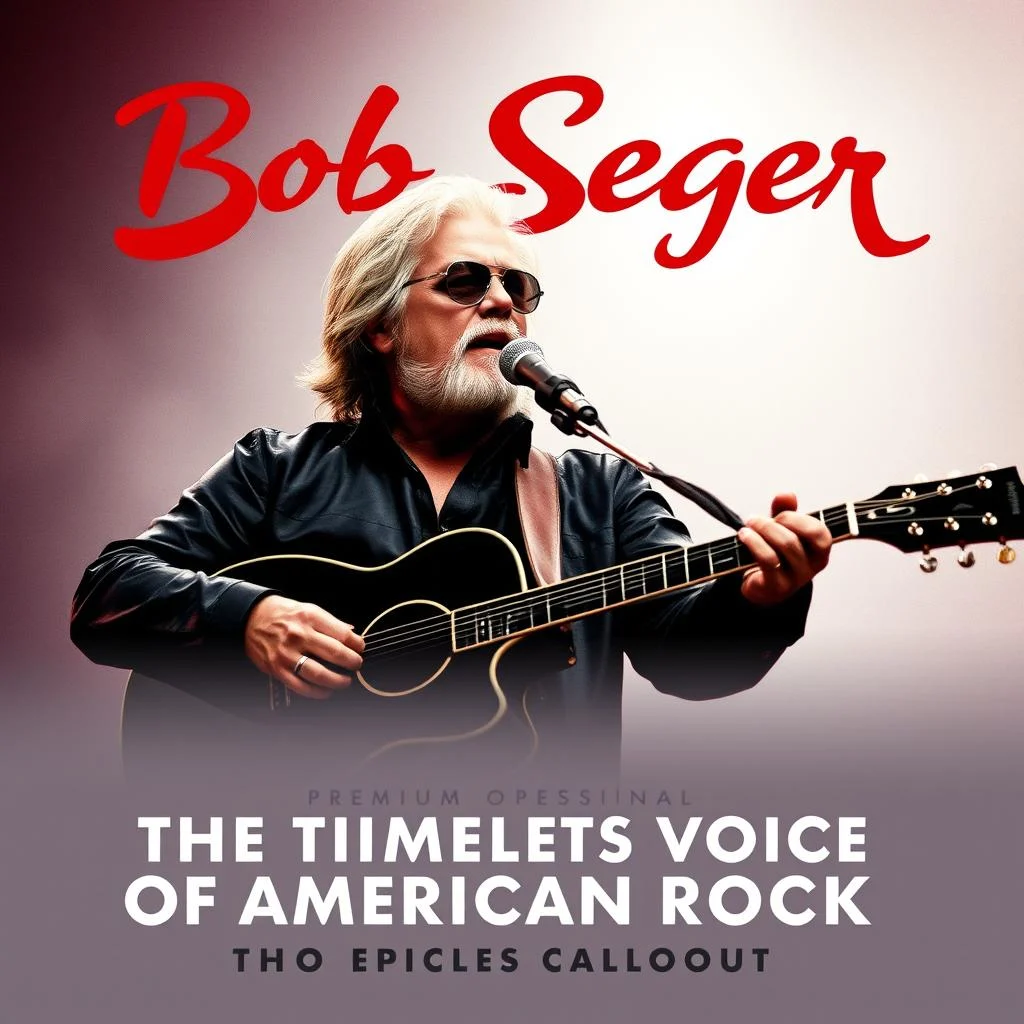
Bob Seger: A Rock Legend Who Never Faded
Bob Seger isn’t just a name on a concert poster. He’s a storyteller, a blue-collar poet with a gravelly voice that echoes through decades of American life. From smoky bars in Detroit to sold-out stadiums across the country, Seger’s music has soundtracked road trips, heartbreaks, and late-night drives down empty highways. His songs don’t just play—they live. They breathe. They remember.
What makes Bob Seger different? Honestly, it’s the authenticity. He never chased trends. He wrote about real people, real struggles, and real dreams. Whether it’s the restless energy of “Turn the Page” or the bittersweet nostalgia of “Night Moves,” his music hits because it feels earned. Not manufactured. Not algorithmically optimized. Just honest.
And even now, in 2026, his influence hasn’t dimmed. Younger artists cite him as an inspiration. Classic rock stations still spin his tracks daily. His albums continue to sell—not because of nostalgia alone, but because the songs still matter.
Key Takeaways: Why Bob Seger Still Matters
- Bob Seger’s greatest hits like “Night Moves,” “Against the Wind,” and “Old Time Rock and Roll” remain staples on radio and streaming platforms.
- His 1970s–80s peak with the Silver Bullet Band produced some of rock’s most enduring anthens.
- Despite retiring from touring in 2019, Seger’s legacy continues through reissues, tribute bands, and new generations discovering his catalog.
- His estimated Bob Seger net worth sits around $70 million, reflecting decades of album sales, royalties, and selective touring.
- Songs like “Turn the Page” are frequently covered and referenced in pop culture, proving their timeless relevance.
From Detroit Streets to Rock Stardom: The Early Years
Bob Seger was born in 1945 in Dearborn, Michigan—a city built on factories, hard work, and Motown soul. He grew up listening to everything: R&B, country, blues, and early rock ‘n’ roll. By his teens, he was already playing in local bands, cutting his teeth in the gritty club scene of Detroit and Ann Arbor.
His first real break came with the Bob Seger System in the mid-1960s. Songs like “Ramblin’ Gamblin’ Man” showed promise—raw, energetic, and distinctly Midwestern. But national success eluded him for years. He cycled through record labels, band lineups, and near-misses. There were moments of hope, followed by crushing setbacks.
What kept him going? Passion. And maybe a little stubbornness. “I just wanted to make music that meant something,” he once said in an interview. “Not something flashy. Something that stuck.”
By the early 1970s, Seger had refined his sound—blending rock, folk, and soul into something uniquely his own. He formed the Silver Bullet Band in 1973, and that’s when things finally clicked.
The Silver Bullet Band Era: When Bob Seger Became a Star
The Silver Bullet Band wasn’t just a backing group—it was a tight-knit unit that gave Seger’s songs their signature punch. With musicians like Drew Abbott, Alto Reed, and Craig Frost, the band delivered a live sound that was both powerful and soulful.
Their first major breakthrough came with 1976’s Night Moves. The title track, “Night Moves,” became an instant classic. It wasn’t just a hit—it was a cultural moment. The song captured the innocence and confusion of adolescence, wrapped in a driving guitar riff and Seger’s weathered vocals.
“I’m just a singer, not a poet,” Seger once joked. “But if I can make someone feel something, that’s enough.”
The album sold over 5 million copies and cemented Seger’s place in rock history. But he wasn’t done. Not even close.
Bob Seger Greatest Hits: The Soundtrack of a Generation
If you ask fans to name their favorite Bob Seger songs, you’ll get a dozen answers—and they’ll all be right. His catalog is deep, varied, and emotionally resonant. Here are some of the tracks that define his legacy:
- “Night Moves” – A coming-of-age anthem that still gives listeners chills. Released in 1976, it peaked at #4 on the Billboard Hot 100.
- “Turn the Page” – Originally from 1973, this song became a rock standard after Metallica covered it in 1988. It’s a raw look at life on the road—lonely, exhausting, but strangely beautiful.
- “Against the Wind” – Released in 1980, this Grammy-winning ballad speaks to resilience and friendship. It spent five weeks at #5 on the charts and remains one of his most beloved songs.
- “Old Time Rock and Roll” – A celebration of classic rock, this 1978 track gained new life after being featured in Risky Business. It’s now a party staple.
- “Hollywood Nights” – A high-energy rocker about fleeting romance and city life. It reached #13 on the Billboard chart in 1978.
- “We’ve Got Tonight” – A duet with Sheena Easton that became a soft-rock favorite in 1983. It crossed over to pop audiences and still gets airplay today.
These aren’t just songs—they’re stories. Each one paints a picture of American life: the open road, small-town dreams, lost love, and the quiet courage to keep going.
Bob Seger Tour History: The Road Warrior
Seger didn’t just record music—he lived it on the road. His tours were legendary for their energy, consistency, and connection with audiences. From intimate theaters to massive arenas, he brought the same intensity every night.
His 1978 “Stranger in Town” tour was a turning point. The album had just gone platinum, and demand was sky-high. Fans lined up for hours, sometimes camping outside venues just to get in. Seger played over 100 shows that year, often with little rest between dates.
But it wasn’t always glamorous. “Turn the Page” wasn’t just a song—it was a diary entry. The loneliness of touring, the constant travel, the strain on relationships—Seger channeled all of it into his music.
In 2019, after a 50-year career, Seger announced his final tour: the “Roll Me Away” farewell tour. It was emotional. Fans traveled from across the country to say goodbye. The last show, in Detroit, was broadcast live and watched by millions.
He hasn’t toured since. But that doesn’t mean he’s gone. His music still plays. His influence still grows.
Bob Seger Net Worth: The Numbers Behind the Legend
So how much is Bob Seger worth in 2026? Estimates place his net worth at around $70 million. That’s not just from album sales—though those are substantial. His catalog has sold over 75 million records worldwide.
But there’s more to it. Royalties from streaming, radio play, and licensing keep the money flowing. “Old Time Rock and Roll” alone has been used in countless movies, commercials, and TV shows. Each use means a payout.
He also owns publishing rights to most of his songs, which is rare for artists of his era. That means he earns every time someone covers “Night Moves” or plays “Against the Wind” on the radio.
And let’s not forget live performances. Even before his farewell tour, Seger was selective about concerts—which kept demand high. His 2017 “Runaway Train” tour grossed over $40 million, according to Pollstar.
He lives comfortably in Michigan, away from the spotlight. No mansion in Beverly Hills. No flashy lifestyle. Just a man who loves music and his family.
Why “Turn the Page” Still Resonates
“Turn the Page” is more than a song—it’s a mirror. It reflects the exhaustion, isolation, and quiet dignity of life on the road. Written in 1973 but released on the 1975 album Beautiful Loser, it didn’t become a hit until years later.
But once it did, it stuck. Metallica’s 1988 cover brought it to a new generation. The lyrics—“The life of a singer, the life of a band, the life of a man who’s always in demand”—hit hard for anyone who’s ever felt unseen.
Seger didn’t write it about fame. He wrote it about the grind. The long drives. The empty hotels. The way people treat you like a product, not a person.
And yet, there’s hope in the song. A sense that even in the loneliness, there’s purpose. That’s why it’s still played at bars, on road trips, and in moments of quiet reflection.
Bob Seger Against the Wind: A Song That Defines Resilience
“Against the Wind” is Seger’s masterpiece. Released in 1980 on the album of the same name, it’s a meditation on time, friendship, and perseverance. The lyrics are simple but profound:
“Wish I didn’t know now what I didn’t know then
I’ve been walking my own road, running against the wind.”
It won a Grammy for Best Rock Vocal Performance, Solo. It also became a rallying cry for anyone who’s ever felt like they’re fighting an uphill battle.
The song was inspired by Seger’s own life—his struggles with fame, his desire to stay true to himself, and his loyalty to friends who’d been with him since the beginning. It’s not about winning. It’s about showing up.
And that’s what makes it timeless.
The Legacy of Bob Seger: More Than Just Music
Bob Seger’s impact goes beyond charts and sales. He gave voice to the working class. He celebrated ordinary lives with extraordinary honesty. His music is a reminder that rock ‘n’ roll doesn’t have to be loud to be powerful.
He influenced countless artists—from Bruce Springsteen to John Mayer. Springsteen once called Seger “the poet of the American road.” And it’s true. Seger didn’t just sing about trucks and highways—he sang about what they meant.
He also stayed grounded. Despite fame, he never moved to LA or New York. He stayed in Michigan, close to his roots. He donated to local charities, supported veterans, and rarely gave interviews unless it was about the music.
That authenticity is why people still care. In an age of curated personas and viral moments, Seger stands out because he never tried to be anything other than himself.
Bob Seger in 2026: What’s Next?
So what’s next for Bob Seger? Officially, he’s retired from touring. But that doesn’t mean he’s disappeared.
There are rumors of a new compilation album—perhaps a box set celebrating his 50-year career. Fans are hoping for unreleased tracks or live recordings from the Silver Bullet Band era.
Streaming platforms continue to report strong numbers for his catalog. On Spotify, “Night Moves” averages over 500,000 monthly listeners. “Turn the Page” isn’t far behind. Younger listeners are discovering his music through playlists like “Classic Rock Essentials” and “Road Trip Anthems.”
And let’s not forget tribute bands. Groups like “The Seger Experience” and “Night Moves” tour regularly, keeping his songs alive for new audiences.
There’s also talk of a documentary. Several filmmakers have approached Seger about chronicling his life, though nothing has been confirmed. Given his reluctance to be in the spotlight, it’s unclear if it will happen.
But one thing’s for sure: Bob Seger’s music isn’t going anywhere.
How Bob Seger Shaped American Rock
Bob Seger didn’t invent rock ‘n’ roll. But he helped define what it could be—raw, real, and deeply human. While others chased glamour, Seger chased truth.
His sound blended heartland rock with soulful storytelling. He didn’t rely on gimmicks or costumes. Just a guitar, a band, and a voice that carried the weight of experience.
He also proved that longevity is possible without selling out. He turned down lucrative deals that would’ve required him to change his style. He stayed true to his vision, even when it meant slower growth.
And that’s why he’s still relevant. In a world of fleeting fame, Seger built something lasting.
Bob Seger Songs That Define an Era
Let’s take a deeper look at some of the tracks that made Bob Seger a legend:
“Night Moves” (1976)
This song is a time capsule. It captures the awkwardness, excitement, and confusion of teenage romance. The opening guitar riff is instantly recognizable. The lyrics paint a vivid picture of a summer night, a parked car, and two kids figuring things out.
It was inspired by a real experience Seger had as a teen. He’s said in interviews that he wanted to write something that felt personal, not universal. Ironically, it became universal.
“Hollywood Nights” (1978)
A fast-paced rocker about a fleeting romance in LA. It’s fun, energetic, and full of attitude. The song showcases Seger’s ability to write both introspective ballads and high-octane anthems.
“We’ve Got Tonight” (1983)
A softer side of Seger. This duet with Sheena Easton is a tender moment in his catalog. It’s about seizing the moment, even if it’s brief. The piano-driven arrangement gives it a timeless quality.
“Shakedown” (1987)
Written for the Beverly Hills Cop II soundtrack, this song became a surprise hit. It reached #1 on the Billboard Hot 100 and introduced Seger to a new audience. It’s funky, catchy, and full of swagger.
“Like a Rock” (1987)
Another soundtrack gem—this time for a Chevy truck commercial. The song became so popular that it overshadowed the ad. It’s a powerful ballad about strength and endurance, with a gospel choir adding depth.
Each of these songs shows a different facet of Seger’s artistry. Together, they form a complete picture of a man who never stopped evolving.
The Bob Seger Fan Experience: More Than Just Concerts
Being a Bob Seger fan isn’t just about buying albums or going to shows. It’s a lifestyle. Fans bond over shared memories—driving down Route 66 with “Night Moves” on the radio, playing air guitar to “Hollywood Nights” at a party, or crying during “Against the Wind” at a funeral.
There are fan clubs, online forums, and even a Bob Seger Museum in Michigan (though it’s small and run by volunteers). Fans trade rare recordings, share tour stories, and celebrate his birthday every May 6.
And then there’s the merch. Vintage T-shirts, signed posters, and limited-edition vinyl are highly sought after. A original “Stranger in Town” tour shirt can sell for over $200 on eBay.
The community is tight-knit. It’s not about clout or status. It’s about connection—to the music, to each other, and to the man who wrote it all.
Bob Seger and the Streaming Revolution
In the age of TikTok and algorithm-driven playlists, classic rock can get lost. But Bob Seger has adapted—quietly, without fanfare.
His music is available on every major platform: Spotify, Apple Music, Amazon, YouTube. His albums have been remastered for digital listening, with improved sound quality.
Playlists like “Classic Rock Road Trip” and “Heartland Anthems” feature his songs prominently. “Turn the Page” is often included in “Truck Driver Playlists,” a testament to its enduring appeal.
And it’s not just older fans. Gen Z listeners are discovering his music through film, TV, and social media. A clip of “Old Time Rock and Roll” in a movie scene can spark a new fan.
Streaming has also made his deeper cuts more accessible. Songs like “2 + 2 = ?” and “Mongrel Too” are getting more plays than ever.
Why Bob Seger Never Needed a Comeback
Some artists fade. Others reinvent themselves. Bob Seger didn’t need to. His music never went out of style because it was never in style to begin with. It was always just… real.
He didn’t chase trends. He didn’t change his sound to fit the times. He stayed true to what he knew: storytelling, melody, and emotion.
And that’s why he didn’t need a comeback. He never left.
Frequently Asked Questions
What is Bob Seger’s most famous song?
“Night Moves” is widely considered his signature song, but “Turn the Page,” “Against the Wind,” and “Old Time Rock and Roll” are also iconic. Each resonates with different audiences for different reasons.
Did Bob Seger ever win a Grammy?
Yes. He won the Grammy for Best Rock Vocal Performance, Solo in 1982 for “Against the Wind.” He was also nominated multiple times throughout his career.
Is Bob Seger still touring?
No. He announced his retirement from touring in 2019 after his farewell “Roll Me Away” tour. He has not performed live since.
How much is Bob Seger worth?
As of 2026, his estimated net worth is around $70 million, thanks to album sales, royalties, and selective touring over five decades.
Will Bob Seger release new music?
There’s no official announcement, but fans hope for a retrospective box set or unreleased material. Given his private nature, new original music seems unlikely.
Final Thoughts: The Man Behind the Music
Bob Seger isn’t just a rock star. He’s a storyteller, a survivor, and a voice for the everyday American. His songs don’t just play—they stay with you. They remind you of where you’ve been, who you’ve loved, and what you’ve fought for.
He never sought perfection. He sought truth. And in doing so, he created music that lasts.
Whether you’re hearing “Night Moves” for the first time or the hundredth, it still hits. That’s the power of Bob Seger. That’s why he’ll never really be gone.
And if you ever find yourself driving down a long highway at night, windows down, radio up—chances are, Bob Seger will be singing right along with you.