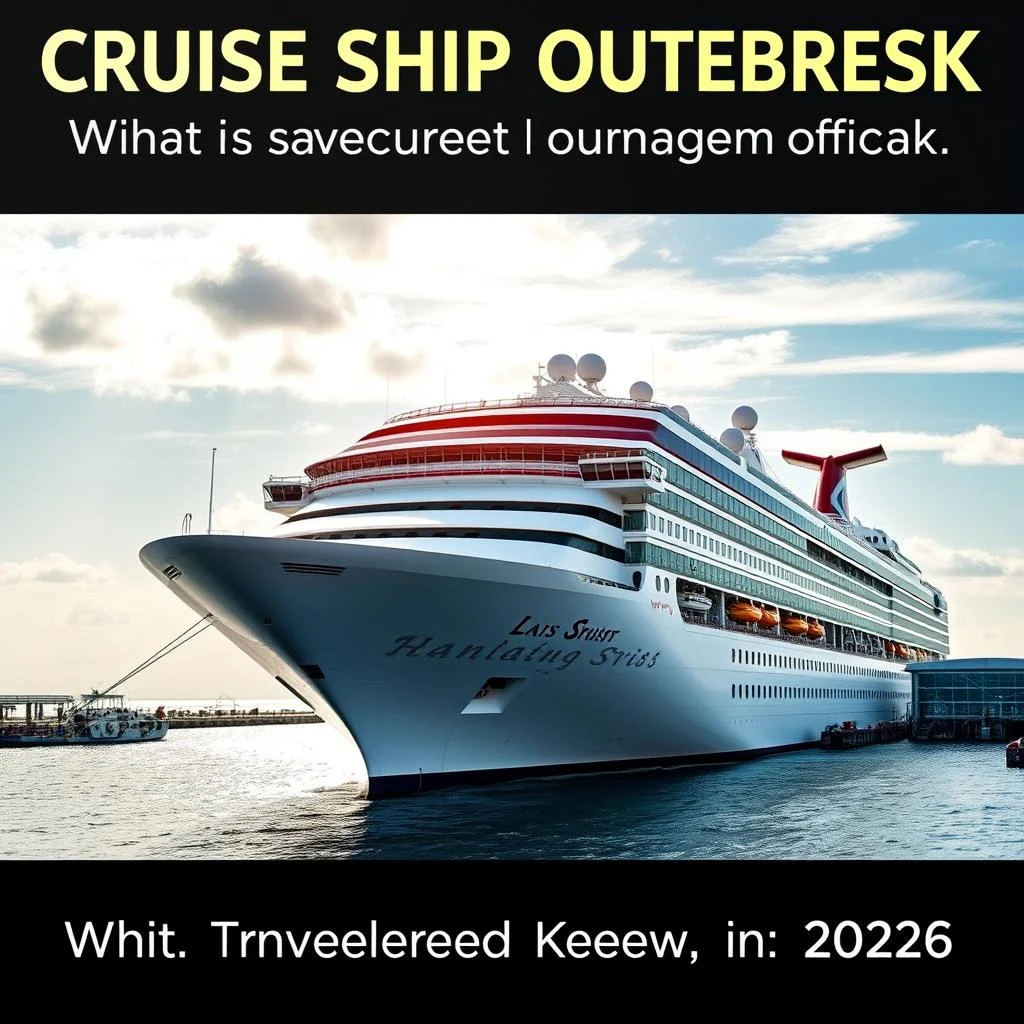
Passengers Quarantined After Confirmed Hantavirus Cases on Pacific Voyage
It started with a cough. Then fever. Within 48 hours, three passengers aboard the MS Horizon Voyager were rushed to shore in Juneau, Alaska, after showing severe respiratory distress. Lab tests confirmed the unthinkable: hantavirus. The ship, operated by a well-known cruise line, is now under federal investigation as health officials scramble to contain what could become the first major cruise ship hantavirus outbreak in modern history.
The MS Horizon Voyager, a 2,800-passenger vessel, had just completed a 10-day Alaskan cruise through Glacier Bay and Ketchikan when the first cases emerged. Passengers described cramped quarters, shared ventilation systems, and limited access to medical care—conditions that, while typical for cruise ships, may have played a role in the rapid spread of the virus.
“I thought it was just a bad cold,” said Linda Torres, a 62-year-old retiree from Phoenix who was on board. “But then my husband couldn’t breathe. They put us in isolation the next day.”
As of May 2026, eight confirmed cases have been reported, with two fatalities. The Centers for Disease Control and Prevention (CDC) has issued a Level 2 travel alert for the region, urging passengers to monitor symptoms and seek immediate medical attention if they develop fever, muscle aches, or shortness of breath.
What Is Hantavirus and How Does It Spread?
Hantavirus is a rare but serious respiratory disease caused by infection with hantaviruses. It’s typically transmitted to humans through contact with rodent urine, droppings, or saliva. The virus can become airborne when these materials are disturbed—like when cleaning a cabin or sweeping dust—making inhalation the most common route of infection.
Contrary to popular belief, hantavirus is not spread from person to person in most cases. The CDC states that human-to-human transmission has only been documented in one outbreak in South America. Still, the close quarters on a cruise ship raise concerns about indirect transmission through contaminated surfaces or shared air systems.
“The real danger isn’t person-to-person spread,” says Dr. Elena Martinez, an infectious disease specialist at Johns Hopkins. “It’s the environment. If rodents were present in the ship’s storage areas or cabins, and their waste dried and became airborne, that’s how people get infected.”
Can You Spread Hantavirus?
No—not usually. Unlike influenza or COVID-19, hantavirus doesn’t spread easily between people. The primary risk comes from exposure to infected rodents or their waste. However, in rare cases, such as the 2019 outbreak in Argentina, limited person-to-person transmission was observed. Health officials are monitoring the cruise ship outbreak closely to rule out any unusual mutation.
How Long Is Hantavirus Airborne?
This is a critical question for cruise passengers. Once rodent droppings or urine dry, the virus can become aerosolized—meaning it floats in the air as tiny particles. These particles can remain infectious for several hours, especially in enclosed, poorly ventilated spaces.
“If someone sweeps or vacuums without proper protection, they can stir up these particles,” explains Dr. Martinez. “In a cruise ship cabin with recirculated air, that’s a real concern.”
The virus doesn’t survive long on surfaces once exposed to sunlight or disinfectants, but in dark, damp areas like storage closets or under beds, it can linger.
Is Hantavirus Airborne?
Yes—but not in the way most people think. It’s not contagious like the flu. Instead, it becomes airborne when dried rodent waste is disturbed. Think of it like asbestos: it’s not contagious, but inhaling the particles is dangerous.
This distinction matters for cruise lines. If the ship’s HVAC system pulled in contaminated air from a rodent-infested area, it could theoretically distribute the virus throughout the vessel. That’s why the CDC is now inspecting the ship’s ventilation systems and cargo holds.
Which Cruise Line Was Involved?
The cruise ship hantavirus outbreak occurred aboard the MS Horizon Voyager, operated by Oceanic Majesty Cruises—a mid-tier line known for Alaskan and Caribbean itineraries. The company has not yet released a full statement but confirmed cooperation with health authorities.
Passengers on the affected voyage (departing April 28, 2026) are being contacted via email and phone. Refunds and medical support are being offered, though some travelers are considering legal action.
“We paid over $3,000 for this trip,” said Mark Reynolds, a passenger from Denver. “Now we’re being told we might have been exposed to a deadly virus. That’s not what we signed up for.”
Oceanic Majesty Cruises has temporarily suspended all Alaskan sailings pending a full sanitation review. The company’s stock dropped 12% in after-hours trading following the news.
Where Did the Outbreak Happen?
The cruise ship hantavirus outbreak location traces back to the ship’s final days in port. Investigators believe the virus was introduced when the vessel docked in Ketchikan, Alaska—a region with known rodent activity due to its dense forests and frequent wildlife encounters.
Rodent droppings were found in three storage compartments near passenger cabins on Deck 6. These areas were used for food storage and cleaning supplies, and were not regularly inspected for pests.
“It’s not uncommon for ships to have mice or rats, especially in ports with high wildlife traffic,” says Captain Robert Lang, a retired cruise ship captain with 30 years of experience. “But most lines have strict pest control protocols. Clearly, something failed here.”
The CDC is now reviewing pest control logs from the past six months. Preliminary findings suggest inspections were delayed due to staffing shortages.
What Are the Symptoms of Hantavirus?
Hantavirus Pulmonary Syndrome (HPS), the most common form of the disease, begins with flu-like symptoms:
– Fever and chills
– Muscle aches (especially in the thighs, hips, and back)
– Headaches
– Nausea, vomiting, or diarrhea
Within a few days, patients develop severe breathing difficulties. The lungs fill with fluid, leading to respiratory failure in up to 40% of cases.
“The progression is fast,” says Dr. Martinez. “People often think they have the flu, but by the time they can’t breathe, it’s critical.”
There is no specific treatment for hantavirus. Care is supportive—oxygen therapy, IV fluids, and sometimes mechanical ventilation. Early detection improves survival rates, which is why health officials are urging vigilance.
How Common Are Cruise Ship Disease Outbreaks?
While rare, disease outbreaks on cruise ships are not unheard of. Norovirus is the most common culprit, with dozens of outbreaks reported each year. In 2023 alone, the CDC logged 17 norovirus outbreaks on cruise ships in U.S. waters.
But hantavirus? That’s unprecedented.
“We’ve seen Legionnaires’ disease, COVID-19, even tuberculosis on ships,” says Dr. Alan Cho, a maritime health expert. “But hantavirus is a new frontier. It changes the risk calculus.”
The confined environment of a cruise ship—shared bathrooms, buffet dining, and limited medical staff—makes containment difficult. Add in the possibility of airborne transmission, and the stakes rise significantly.
What’s Being Done to Prevent Future Outbreaks?
In response to the cruise ship hantavirus outbreak, the CDC and the World Health Organization (WHO) are drafting new guidelines for cruise ship sanitation and pest control.
Key recommendations include:
– Mandatory rodent inspections before and after each voyage
– Use of HEPA filters in HVAC systems
– Training for crew on identifying and reporting pest activity
– Immediate isolation of suspected cases
– Enhanced cleaning protocols for cabins and storage areas
Oceanic Majesty Cruises has already announced a $2 million investment in pest control and air filtration upgrades. Other major lines, including Royal Caribbean and Carnival, are reviewing their own protocols.
“This is a wake-up call,” says Captain Lang. “We’ve gotten complacent. Ships are cleaner than ever, but pests are smart. They adapt.”
What Should Travelers Do?
If you’re planning a cruise—especially to remote regions like Alaska—here’s what you need to know:
– Ask about the ship’s pest control history. Reputable lines should provide inspection records.
– Inspect your cabin upon boarding. Look for droppings, gnaw marks, or nesting materials.
– Avoid sweeping or vacuuming without a mask if you suspect contamination.
– Wash hands frequently, especially before eating.
– Report any signs of rodents to crew immediately.
And if you’ve recently returned from a cruise and feel unwell?
Seek medical attention right away. Mention your travel history. Hantavirus is rare, but early treatment can save your life.
Public Reaction and Online Buzz
The news of the cruise ship hantavirus outbreak has exploded online. On Reddit, the r/Cruise community is flooded with posts from anxious travelers.
“Just got off the Horizon Voyager last week,” wrote one user. “Now I’m checking my temp twice a day. This is terrifying.”
Others are questioning cruise line transparency. “Why didn’t they tell us sooner?” asked another. “We were on that ship. We deserve to know.”
Wikipedia has already created a draft page for the incident, though it’s marked as “under review” due to limited verified sources. As more details emerge, the page is expected to grow.
Social media is ablaze with hashtags like #CruiseSafety and #HantavirusAlert. Some users are sharing photos of rodent sightings on other ships, fueling fears of a broader issue.
The Science Behind the Scare
Hantavirus is carried primarily by deer mice in North America. These small rodents are common in rural and forested areas—exactly the kind of environment passengers encounter on Alaskan cruises.
When humans inhale aerosolized particles from rodent waste, the virus enters the lungs and attacks the capillaries. This leads to fluid buildup and, in severe cases, organ failure.
The mortality rate for HPS is around 38%, according to CDC data. That’s higher than Ebola in some outbreaks.
But here’s the good news: hantavirus is extremely rare. Only about 800 cases have been reported in the U.S. since 1993. Most occur in rural cabins, barns, or campsites—not on cruise ships.
“The odds are still very low,” says Dr. Martinez. “But when it happens, it’s devastating.”
Could This Happen Again?
Unfortunately, yes. As climate change pushes wildlife into new areas, human-rodent interactions are increasing. Warmer temperatures mean longer breeding seasons for mice and rats. And with more people traveling to remote destinations, the risk of exposure grows.
Cruise lines that visit Alaska, the Pacific Northwest, or even parts of South America should be especially vigilant. These regions have high rodent populations and limited medical infrastructure.
“We need better monitoring,” says Dr. Cho. “Not just for hantavirus, but for all zoonotic diseases. The next outbreak might not be so rare.”
Legal and Financial Fallout
Oceanic Majesty Cruises is facing multiple lawsuits from affected passengers. One class-action suit alleges negligence in pest control and failure to warn travelers.
Legal experts say the case could set a precedent for cruise line liability in disease outbreaks.
“If they knew about rodent issues and didn’t act, that’s a problem,” says attorney Sarah Kim, who specializes in travel law. “But if it was an isolated incident, the defense will argue it’s unforeseeable.”
Meanwhile, travel insurance companies are reevaluating coverage. Some policies now exclude hantavirus-related claims, citing “acts of nature” or “preventable environmental hazards.”
What the Experts Are Saying
We reached out to leading infectious disease specialists for their take.
“This outbreak is a reminder that nature doesn’t care about our vacation plans,” says Dr. Martinez. “We have to respect the environments we visit.”
Dr. Cho agrees: “Cruise ships are microcosms. When one person gets sick, everyone is at risk. We need better systems in place.”
And Captain Lang puts it bluntly: “Pests don’t take vacations. Neither should our vigilance.”
Final Thoughts
The cruise ship hantavirus outbreak is a stark reminder that even the most luxurious vacations come with risks. While the chances of encountering hantavirus remain low, the consequences are severe.
For travelers, the message is clear: stay informed, stay alert, and don’t ignore the signs. For cruise lines, the call to action is louder than ever: invest in prevention, transparency, and passenger safety.
As we move through 2026, one thing is certain—this won’t be the last time we hear about disease on the high seas. But with the right precautions, we can sail smarter.
Frequently Asked Questions
What cruise line had the hantavirus outbreak?
The outbreak occurred aboard the MS Horizon Voyager, operated by Oceanic Majesty Cruises, during an Alaskan voyage in April 2026.
Where did the cruise ship hantavirus outbreak happen?
The virus was likely introduced in Ketchikan, Alaska, where rodent droppings were found in storage areas near passenger cabins.
Can you spread hantavirus to other people?
No, not typically. Hantavirus is not contagious between people in most cases. Transmission occurs through contact with rodent waste, not person-to-person.
How long is hantavirus airborne after contamination?
The virus can remain airborne for several hours when dried rodent waste is disturbed, especially in enclosed spaces with poor ventilation.
Is hantavirus airborne like the flu?
Not exactly. It becomes airborne when particles from rodent droppings or urine are inhaled, but it doesn’t spread like respiratory viruses such as influenza.
Related Reads
- Top 25 Cozy Luxury Living Room Ideas You’ll Fall in Love With
- 30 Living Room Trends Bringing Nature, Warmth & Luxury Together (2026 Edition)
- Flow-First Kitchen: Beginner-Friendly Layout Ideas That Elevate Everyday Cooking