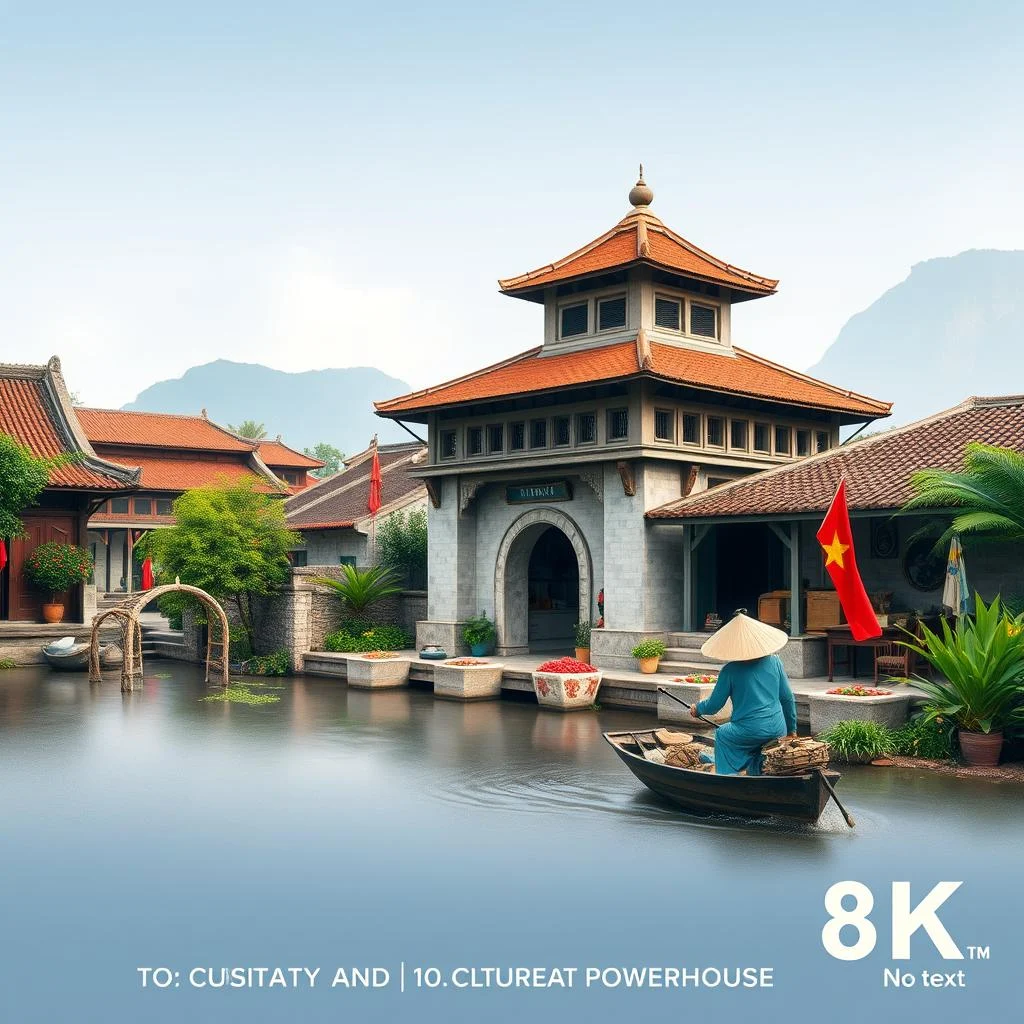
Vietnam today isn’t the same country that dominated headlines during the Vietnam War. Sure, the war—officially spanning from November 1, 1955, to April 30, 1975—left deep scars. But walk through Hanoi’s Old Quarter or sip a cup of strong Vietnamese coffee in Ho Chi Minh City, and you’ll feel something else entirely: energy, pride, and an unmistakable sense of renewal.
I remember my first trip to Hanoi. The air hummed with motorbikes, street vendors called out in rapid-fire Vietnamese, and the scent of fish sauce and star anise hung over every alley. It wasn’t just the chaos that struck me—it was the resilience. This is a place that rebuilt itself not by forgetting its past, but by weaving it into a new identity. And nowhere is that clearer than in its food, its people, and its quiet but steady rise on the global stage.
The Shadow and the Spark: Understanding Vietnam’s Modern Identity
Let’s be honest: when many people think of Vietnam, the Vietnam War still comes first. That’s understandable. Over 58,000 American soldiers died. Millions of Vietnamese civilians and soldiers lost their lives. Bomb craters still dot parts of central Vietnam. Agent Orange’s legacy persists in health issues across generations.
But reducing Vietnam to that chapter does it a disservice. The country has spent decades redefining itself. Since the Đổi Mới economic reforms in 1986, Vietnam shifted from a centrally planned economy to a “socialist-oriented market economy.” GDP growth averaged over 6% annually for two decades. Poverty rates dropped from over 70% in the 1980s to under 5% by 2020.
What’s more, Vietnam isn’t just growing economically—it’s becoming a cultural exporter. Its cuisine, once known mainly to diaspora communities, is now celebrated worldwide. You don’t need to fly to Saigon to find authentic pho or bánh mì. Just search “Vietnamese food near me,” and chances are you’ll find a spot within a few miles. In cities like New York, London, and Sydney, Vietnamese restaurants aren’t niche—they’re mainstream.
A Taste of Resilience: The Rise of Vietnamese Food
Vietnamese food is more than just delicious—it’s a reflection of the country’s history, geography, and values. Light, fresh, and balanced, it emphasizes herbs, vegetables, and lean proteins. Fish sauce (nước mắm) isn’t just a condiment; it’s a cornerstone of flavor, used in everything from dipping sauces to marinades.
Take pho, for example. This iconic noodle soup originated in northern Vietnam around the early 20th century, blending French colonial influences (like beef consumption) with Chinese noodle traditions. Today, it’s a global phenomenon. In the U.S. alone, the number of pho restaurants grew by over 300% between 2000 and 2020, according to industry reports.
But pho is just the beginning. Bánh mì—a crispy baguette filled with pâté, pickled vegetables, cilantro, and meat—tells another story. It’s a direct result of French colonization, yet it’s been fully claimed as Vietnamese. You’ll find it sold from sidewalk carts in Da Nang and gourmet versions in Portland.
And then there’s Vietnamese coffee. Strong, sweet, and often served with condensed milk, it’s unlike anything else. The brewing method—using a small metal drip filter called a phin—slowly extracts rich, dark coffee that’s both intense and smooth. In Vietnam, people drink it hot or iced, alone or with a side of yogurt. Overseas, it’s become a cult favorite among coffee lovers tired of standard espresso shots.
Honestly, if you haven’t tried cà phê sữa đá (iced coffee with condensed milk), you’re missing out. It’s not just a drink—it’s an experience. The first sip hits you with sweetness, then the bitterness follows, creating a balance that’s hard to replicate. No wonder it’s inspired copycats from Melbourne to Montreal.
Why Vietnamese Food Is Winning Globally
- Health appeal: Low in fat, high in fresh ingredients, Vietnamese dishes align with modern dietary trends.
- Affordability: Street food culture keeps prices low without sacrificing quality.
- Storytelling: Each dish carries historical weight—from wartime scarcity to post-war innovation.
- Accessibility: Simple techniques make it easy for home cooks to try recipes like gỏi cuốn (fresh spring rolls).
The best part? Vietnamese food isn’t static. Chefs are reimagining classics—think lemongrass-infused cocktails, vegan pho broths, or bánh xèo tacos. This evolution keeps it relevant without losing authenticity.
Language and Connection: Bridging Cultures Through Vietnamese
Language plays a huge role in Vietnam’s global reach. Vietnamese is spoken by over 90 million people, making it one of the most widely spoken languages in Southeast Asia. But it’s also gaining traction abroad. In the U.S., Vietnamese is the fifth most spoken language at home, after English, Spanish, Chinese, and Tagalog.
That growth fuels demand for resources like “Vietnamese to English” translation tools, language apps, and bilingual education programs. Schools in California and Texas now offer Vietnamese language courses. Online platforms report spikes in searches for basic phrases like “xin chào” (hello) or “cảm ơn” (thank you).
Why does this matter? Because language is a gateway to culture. When you learn to order bún chả in Vietnamese, you’re not just getting a meal—you’re participating in a ritual. You’re acknowledging the person behind the counter, the history behind the dish, and the community that keeps it alive.
Keep in mind, though: Vietnamese is tonal. Mispronounce a word, and you might ask for “fish” instead of “to give birth.” That’s why apps like Duolingo and Memrise now include tone drills. It’s not just about vocabulary—it’s about respect.
Tourism Reimagined: Beyond War Memorials
Tourism in Vietnam has evolved dramatically. Yes, war sites like the Cu Chi Tunnels and the War Remnants Museum in Ho Chi Minh City draw millions. But travelers are increasingly drawn to natural wonders, cultural festivals, and culinary tours.
Ha Long Bay, with its emerald waters and limestone karsts, is a UNESCO World Heritage Site and one of the most photographed places in Asia. Sapa’s terraced rice fields offer glimpses into ethnic minority life. And Hoi An—a charming riverside town—has become a hub for tailor shops, lantern festivals, and cooking classes.
Believe it or not, Vietnam welcomed over 18 million international visitors in 2023, nearing pre-pandemic levels. The government aims to hit 35 million by 2030. To support this, they’ve streamlined visa policies, expanded airports, and promoted sustainable tourism.
But here’s the deal: mass tourism brings challenges. Overcrowding in popular spots, environmental strain, and cultural commodification are real concerns. Local communities are pushing back with eco-lodges, homestays, and community-based tours that put people first.
For example, in the Mekong Delta, families open their homes to guests, serving home-cooked meals and teaching traditional crafts. It’s tourism with purpose—and it’s changing how visitors experience Vietnam.
Economic Engine: From Rice Bowls to Tech Hubs
Vietnam’s economy is one of the fastest-growing in Asia. In 2023, GDP grew by 5.8%, outpacing regional peers. Manufacturing—especially electronics, textiles, and footwear—drives much of this growth. Samsung, Intel, and Nike have major operations there.
But agriculture still matters. Vietnam is the world’s second-largest exporter of rice and the top exporter of cashews. Coffee? It’s the second-largest producer globally, after Brazil. Most of that is robusta, the bold, earthy bean used in Vietnamese coffee.
What’s more, Vietnam is investing heavily in digital infrastructure. Internet penetration exceeds 70%. Startups are booming in fintech, e-commerce, and edtech. Hanoi and Ho Chi Minh City are emerging as regional tech hubs, attracting talent and venture capital.
Young entrepreneurs are leading the charge. Take Nguyen Thi Lan, who launched a platform connecting farmers directly to restaurants, cutting out middlemen and boosting profits. Or Tran Minh, whose app helps users learn Vietnamese through gamified lessons. These aren’t just businesses—they’re movements.
Challenges Ahead: Balancing Growth and Identity
No story about Vietnam is complete without acknowledging its challenges. Air pollution in major cities is worsening. Plastic waste clogs rivers and coastlines. Income inequality persists, especially between urban and rural areas.
Environmental issues hit close to home for many. The Mekong Delta, Vietnam’s “rice bowl,” faces saltwater intrusion due to climate change and upstream dam construction. Farmers report failing crops and shrinking incomes.
And while the government promotes openness, censorship and restrictions on free speech remain concerns. Activists, journalists, and bloggers often face surveillance or detention. The space for dissent is narrow.
Yet, there’s a quiet determination among ordinary Vietnamese. Community clean-ups, plastic-free initiatives, and grassroots advocacy are gaining momentum. People aren’t waiting for top-down solutions—they’re creating their own.
I met a group of students in Da Nang who organized a monthly beach cleanup. They didn’t have funding or media coverage. They just showed up, bags in hand, and got to work. That’s Vietnam in a nutshell: resourceful, resilient, and quietly revolutionary.
Cultural Pride in Every Bite and Word
Walk into any Vietnamese household, and you’ll likely be offered food within minutes. Hospitality isn’t performative—it’s ingrained. Sharing meals, celebrating ancestors, and honoring traditions are daily practices.
Festivals like Tết (Lunar New Year) bring families together for feasts, fireworks, and visits to temples. Mid-Autumn Festival lights up streets with lantern parades and mooncakes. These aren’t tourist spectacles; they’re lived experiences.
And food remains central. Whether it’s a simple bowl of cơm tấm (broken rice) or an elaborate feast for a wedding, meals are acts of love. Recipes are passed down through generations, often with slight tweaks—a grandmother’s secret herb blend, a father’s preferred fish sauce brand.
This cultural continuity is what makes Vietnamese food so powerful. It’s not just sustenance; it’s memory, identity, and connection. When a Vietnamese-American cooks pho for their kids, they’re not just feeding them—they’re teaching them where they come from.
Looking Ahead: Vietnam in 2026 and Beyond
As we move through 2026, Vietnam stands at a crossroads. It’s no longer just a destination for war history or budget travel. It’s a nation asserting its place in the global conversation—on food, technology, sustainability, and soft power.
Expect to see more Vietnamese brands on international shelves. Think artisanal fish sauce, single-origin coffee, or ready-to-eat pho kits. Expect more films, music, and literature from Vietnamese creators gaining global audiences.
And yes, expect more people searching “Vietnamese food near me” and finding authentic options closer than ever. The diaspora continues to grow, and with it, the appetite for real, uncompromised flavors.
But the real story isn’t just about exports or tourism numbers. It’s about a people who endured immense hardship and chose to rebuild—not in spite of their past, but because of it. They turned pain into poetry, scarcity into creativity, and isolation into connection.
So the next time you sip a cup of Vietnamese coffee or bite into a perfectly balanced bánh mì, remember: you’re tasting more than food. You’re tasting history, resilience, and hope.
Vietnam isn’t just recovering from the Vietnam War. It’s redefining what comes after.