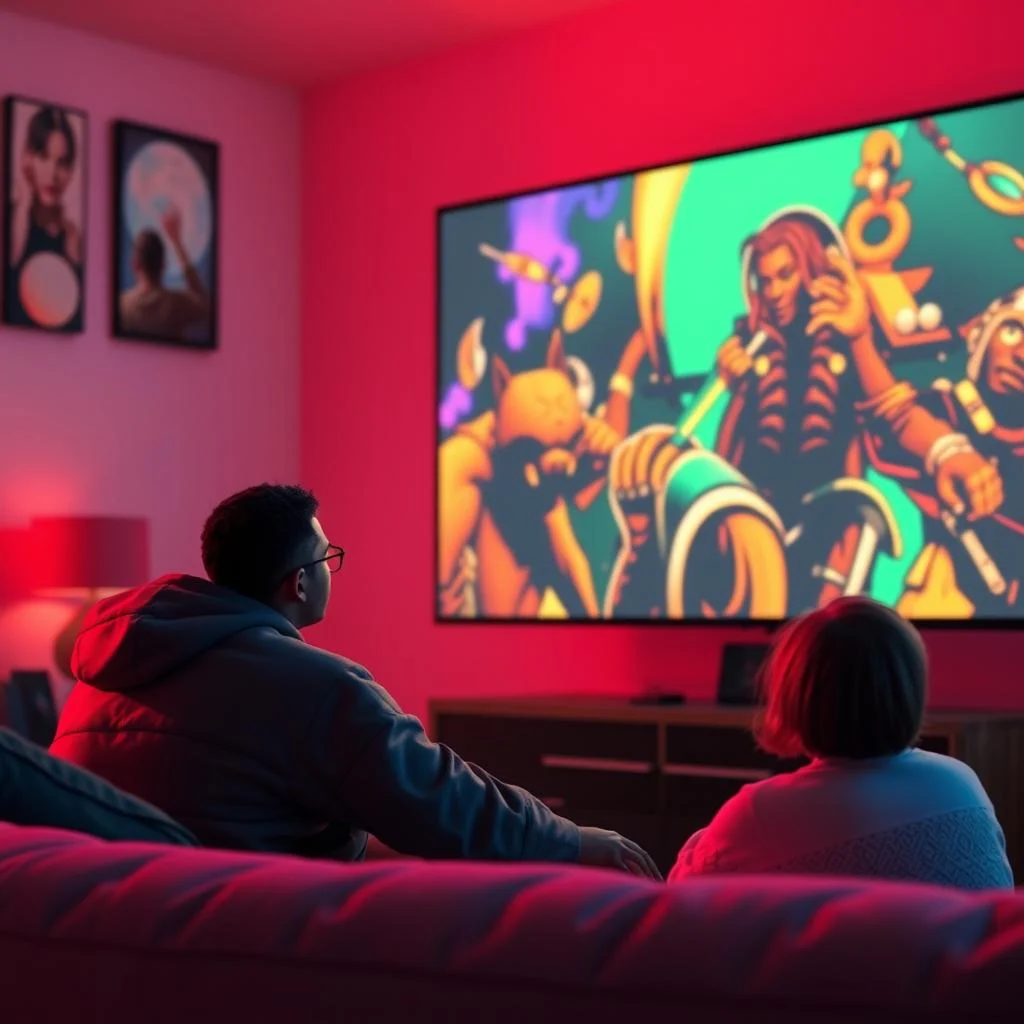
Gen Z isn’t just watching content. They’re curating entire digital identities around it.
I’ve spent the last three years tracking how young adults aged 18 to 26 interact with streaming platforms. What I’ve found isn’t just about entertainment preferences—it’s a reflection of how this generation values time, money, and authenticity. Gen Z streaming subscription habits reveal a sharp departure from older generations. They don’t binge out of habit. They subscribe with intention.
According to a 2025 Pew Research study, 78% of Gen Z respondents said they actively manage their streaming subscriptions like a budget. That’s not surprising. With student debt, rising rent, and inflation, every dollar counts. But here’s the twist: they’re willing to pay—just not blindly. They rotate services, share accounts, and drop platforms the moment content feels stale.
So what’s actually holding their attention? Let’s break it down.
What Is Gen Z Watching Right Now?
Forget the assumption that Gen Z only watches TikTok clips. While short-form video dominates their free time, long-form streaming still plays a major role—especially when the content aligns with their values.
Anime is having a moment. A big one. A 2026 report from Crunchyroll and Statista shows that 42% of Gen Z viewers in the U.S. watch anime at least once a week. That’s up from 28% in 2021. Series like Demon Slayer, Jujutsu Kaisen, and Chainsaw Man aren’t just popular—they’re cultural touchstones. What’s more, platforms like Netflix and Hulu have invested heavily in dubbed and subbed anime libraries, making access easier than ever.
But it’s not just anime. Reality TV reboots are surging. Shows like The Circle, Love Is Blind, and Too Hot to Handle dominate watch time among 18- to 24-year-olds. Why? Because they’re social. These shows spark memes, group chats, and even real-life watch parties. Gen Z doesn’t just watch them—they participate in them.
Documentaries are also climbing the ranks. Climate change, mental health, and social justice docs from platforms like Netflix and Apple TV+ are frequently shared in university groups and on Instagram Stories. A 2025 Nielsen report noted that 61% of Gen Z viewers said they’ve watched a documentary in the past month—compared to 44% of Millennials.
Does Gen Z Watch Sports?
This is where things get interesting. The short answer? Not as much as you’d think.
Only 34% of Gen Z respondents in a 2026 Deloitte survey said they regularly watch live sports on TV or streaming. That’s down from 52% in 2019. Why the drop?
First, access. Traditional cable packages are expensive, and Gen Z isn’t signing up. Second, engagement. Sports broadcasts often feel outdated—long commercials, slow pacing, and limited interactivity. Gen Z wants immediacy and community.
But that doesn’t mean they’ve abandoned sports entirely. They’re just consuming it differently. Highlights on YouTube, TikTok recaps, and live-tweeting during games are now the norm. Platforms like Twitch and YouTube are seeing spikes in sports-related content, especially around major events like the NBA Finals or the World Cup.
What’s more, niche sports are gaining traction. Esports viewership among Gen Z has grown by 67% since 2022, according to Newzoo. Games like League of Legends and Valorant aren’t just games—they’re spectator sports. And unlike traditional broadcasts, these streams are interactive, fast-paced, and free to watch.
So while Gen Z may not be tuning into Sunday Night Football, they’re still deeply engaged with competitive content—just on their own terms.
How Many Streaming Services Does the Average Gen Zer Have?
Here’s a stat that might surprise you: the average Gen Z adult has 2.3 active streaming subscriptions at any given time. That’s down from 3.1 in 2023.
Why the decline? Fatigue. Subscription overload is real. With Netflix, Hulu, Disney+, Max, Paramount+, Peacock, Apple TV+, and niche platforms like Crunchyroll and Shudder, the cost adds up fast. The average monthly spend on streaming among Gen Z is now $28—down from $39 two years ago.
To manage this, they’ve developed clever strategies:
- Account sharing: 68% of Gen Z viewers admit to sharing login credentials with friends or family. It’s not just common—it’s expected.
- Rotating subscriptions: Many cycle through services quarterly. For example, they’ll subscribe to Netflix in winter for holiday content, switch to Hulu in spring for new seasons, and drop both in summer for free YouTube content.
- Student discounts: Platforms like Spotify and Hulu offer discounted plans for students. Over 55% of Gen Z streamers use at least one discounted service.
Believe it or not, some are even using “subscription stacking” apps like Truebill or Rocket Money to track and cancel unused services automatically. It’s not just about saving money—it’s about control.
Does Gen Z Watch TV? Or Is It All Streaming?
Let’s clear this up: Gen Z doesn’t watch “TV” the way older generations do. They don’t flip through channels. They don’t wait for scheduled broadcasts. But they do consume video content—just not through traditional cable.
In fact, only 19% of Gen Z households have a cable subscription, per a 2026 Leichtman Research Group report. The rest rely entirely on internet-based platforms. Even live events like award shows or news broadcasts are watched via streaming apps or social media clips.
The shift is generational. Gen Z grew up with on-demand access. They expect to watch what they want, when they want, on the device of their choice. Whether it’s a laptop, phone, or smart TV, the experience is mobile-first.
What’s more, they’re skeptical of traditional TV’s advertising model. Skippable ads on YouTube? Fine. Pre-roll ads on Netflix? Tolerable. But 30-second commercials during a show? That’s a dealbreaker. Ad-free tiers are now a major factor in subscription decisions.
The Rise of Niche Platforms
While giants like Netflix and Disney+ still dominate, Gen Z is increasingly drawn to smaller, specialized services. Why? Because they offer something the big players don’t: focus.
Crunchyroll, for example, isn’t just a streaming service—it’s a community. Fans discuss episodes in real time, attend virtual watch parties, and even create fan art that trends on Twitter. The platform reported a 40% increase in Gen Z users in 2025 alone.
Similarly, platforms like Shudder (horror), MUBI (arthouse films), and even niche sports streams are gaining ground. Gen Z doesn’t want everything. They want the right thing—curated, high-quality, and aligned with their interests.
Even gaming content is blending into streaming. Services like Twitch and YouTube Gaming now offer subscription models for exclusive streams, emotes, and behind-the-scenes content. For many Gen Z users, these aren’t just side platforms—they’re primary sources of entertainment.
Social Media’s Role in Discovery
Here’s the deal: Gen Z doesn’t discover new shows through trailers or ads. They find them through social media.
A 2026 Morning Consult survey found that 73% of Gen Z viewers learned about a new series from TikTok, Instagram Reels, or YouTube Shorts. Clips go viral, memes spread, and suddenly everyone’s talking about the same show.
Take Beef on Netflix. It wasn’t the biggest budget show on the platform, but a 15-second clip of Ali Wong’s monologue racked up 12 million views on TikTok. Within a week, the show was trending globally.
This changes how content is marketed. Studios now work directly with influencers and meme pages to seed content. The best part? It feels organic. Gen Z trusts peer recommendations far more than traditional advertising.
What’s more, platforms are adapting. Netflix now has a “Trending on TikTok” section in its app. Hulu integrates Instagram-style story previews. The line between social media and streaming is blurring—and Gen Z is leading the charge.
The Cost of Convenience
Let’s talk money. Gen Z is price-sensitive, but not cheap. They’ll pay for value.
A 2025 McKinsey report revealed that 62% of Gen Z streamers would pay more for a service that offered ad-free viewing, exclusive content, or early access. But they want transparency. Hidden fees, price hikes without warning, and poor content libraries are quick ways to lose them.
Netflix’s 2025 password-sharing crackdown, for example, backfired with younger users. While it boosted revenue short-term, it also led to a 14% drop in new Gen Z sign-ups in Q1 2026, according to Sensor Tower. Many simply switched to free alternatives or shared accounts more discreetly.
On the flip side, platforms that offer flexibility win. Hulu’s ad-supported tier at $7.99/month remains popular. Disney+’s bundle with Hulu and ESPN+ is a hit among college students. And Apple TV+ continues to grow thanks to its integration with Apple devices and lack of ads.
Gen Z isn’t opposed to paying—they just want to feel like they’re getting their money’s worth.
What About Free Streaming?
Free platforms are quietly becoming Gen Z’s secret weapon.
Tubi, Pluto TV, and The Roku Channel are seeing massive growth among 18- to 26-year-olds. These services are ad-supported, but the trade-off is worth it for many. A 2026 Comscore report showed that 58% of Gen Z viewers use at least one free streaming service weekly.
Why? Because they offer immediacy. No credit card needed. No commitment. Just open the app and start watching. And with libraries expanding—Tubi now has over 200,000 titles—the quality is improving.
Even YouTube is a major player. Long-form content, documentaries, and even full movies are available for free. Channels like Kurzgesagt and Veritasium have millions of Gen Z subscribers. It’s not just entertainment—it’s education, inspiration, and community.
The best part? These platforms are often pre-installed on smart TVs and phones. Zero friction. Zero cost. Maximum convenience.
The Future of Gen Z Streaming
So where is this all heading?
Experts predict a shift toward hybrid models—services that blend streaming, social features, and interactive content. Imagine watching a show and being able to vote on the next scene, chat with friends in real time, or unlock bonus content through achievements. That’s the future Gen Z is demanding.
AI recommendations will get smarter, but trust will remain an issue. Gen Z is wary of algorithms that feel manipulative. They want control over what they see—not just what the platform thinks they should.
And while live sports may not dominate, events like the Olympics, World Cup, and even college tournaments will still draw massive Gen Z audiences—especially when streamed with interactive features like polls, live chats, and fan cams.
One thing’s for sure: Gen Z won’t settle for passive viewing. They want engagement, community, and value. Platforms that deliver on all three will thrive. The rest? They’ll be left in the buffering queue.
Frequently Asked Questions
What percent of Gen Z watches anime?
According to 2026 data from Crunchyroll and Statista, 42% of Gen Z viewers in the U.S. watch anime at least once a week. This marks a significant increase from 28% in 2021, driven by global hits like Demon Slayer and Jujutsu Kaisen.
Does Gen Z watch sports on streaming platforms?
Yes, but not in the traditional sense. Only 34% of Gen Z regularly watches live sports on TV or streaming. Instead, they prefer highlights, recaps, and interactive esports content on platforms like YouTube, Twitch, and TikTok.
How many streaming subscriptions does the average Gen Z person have?
The average Gen Z adult maintains 2.3 active streaming subscriptions at any given time. This is down from 3.1 in 2023, reflecting a trend toward cost-conscious rotation and account sharing.
Do Gen Z viewers still watch TV?
Not in the traditional cable sense. Only 19% of Gen Z households have a cable subscription. Instead, they consume video content through internet-based platforms like Netflix, Hulu, YouTube, and free ad-supported services.
What influences Gen Z’s streaming choices?
Social media is the top driver. 73% of Gen Z viewers discover new content through TikTok, Instagram Reels, or YouTube Shorts. Peer recommendations, memes, and viral clips play a bigger role than traditional advertising.
Gen Z’s streaming habits aren’t just about what they watch—they’re about how they live. They value flexibility, community, and authenticity. They’re not just consumers of content. They’re curators, critics, and creators.
And as platforms evolve, one thing remains clear: if you want to capture Gen Z’s attention, you can’t just offer content. You have to offer connection.
For more insights on digital trends shaping 2026, check out Star Fox: The Iconic Space Combat Series Set to Soar Again in 2026 and GCU: How Grand Canyon University Is Redefining Higher Education in 2026.