
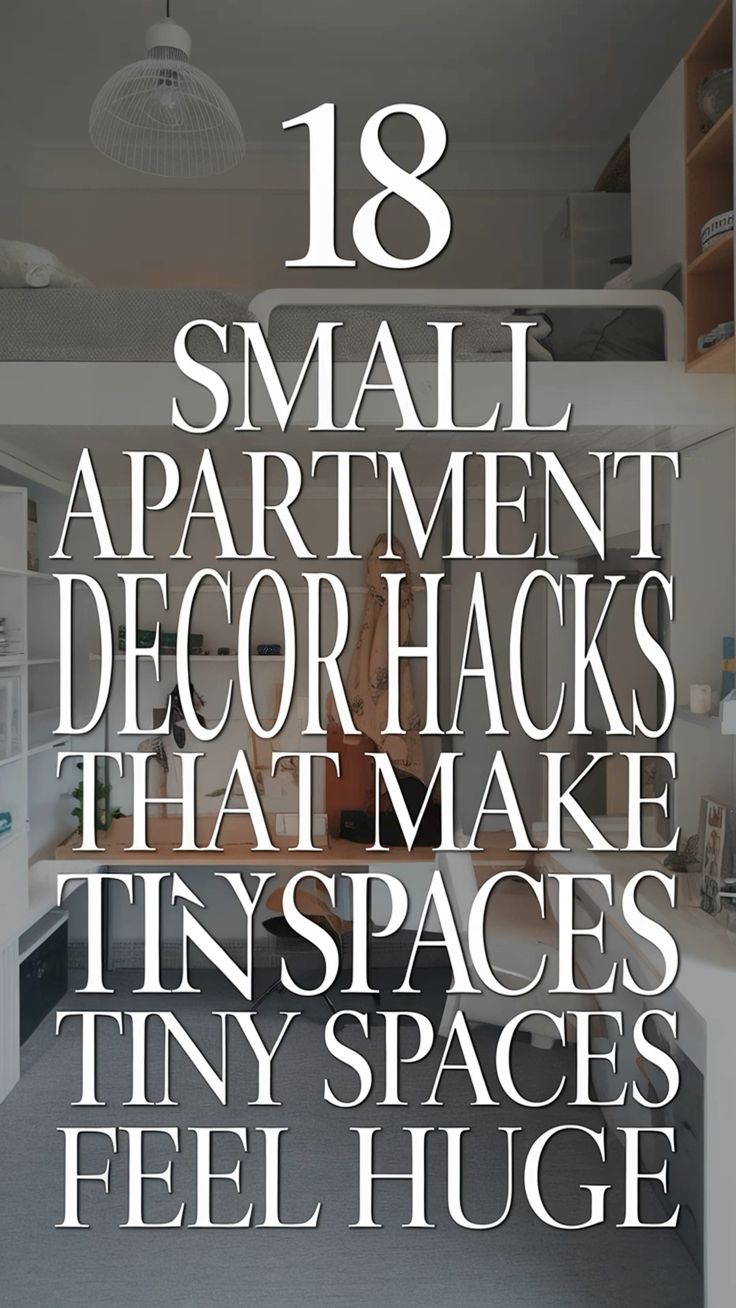
Redesigning a small room doesn’t require a big paycheck. With a little planning, clever swaps, and a sprinkle of DIY, you can create a space that feels polished, cozy, and very you. This guide walks a beginner-friendly path to small home decor on a budget—covering how to plan, what to swap first, and how to pull everything together without breaking the bank.
1) Start with a Simple Plan: A Budget-First Blueprint
The quickest way to avoid expensive detours is to map the project first. A clear plan keeps you focused on what truly matters in a small space and prevents impulse buys that clutter environments instead of enhancing them. Start with a few everyday questions: What’s the room’s main function? Which feature do I notice first when I enter—the walls, the lighting, the textiles? What feeling do I want—calm, energizing, cozy?
Next, set a tiny budget and a realistic timeline. Break the project into bite-size steps: paint or wallpaper first, then textiles, then a few statement pieces or DIY crafts. Track every purchase to avoid overspending, and give yourself a “cool-down” period before buying more—this helps prevent buyer’s remorse and keeps the space cohesive.
- Decide a dominant color palette (2 neutrals + 1 accent).
- List must-have items and low-cost swaps (curtains, throws, lamp shades).
- Choose 1-2 DIY projects to personalize the space.
- Allocate roughly 60% for foundational items (paint, storage) and 40% for small accents (pillows, art).
If you want more inspiration on making small spaces feel luxe without a big spend, check out these ideas: 18 Affordable Small Bathroom Upgrades That Look Ultra-Luxe and 2026 Living Room Trends You Don’t Want to Miss.

2) Walls, Floors, and Textiles: The Big Impact, Small Budget
Walls and textiles offer the most noticeable payoff for little money. A fresh coat of paint in a light, warm shade can visually expand a room and make furniture look newer. If painting feels daunting, peel-and-stick wallpaper or removable wall decals bring texture and personality without commitment. Tie walls to the rest of the room with textiles—curtains, cushions, throws—using layered textures to add depth without buying new furniture.
Tips to maximize impact without overspending:
- Pick a neutral wall color and use small, colorful accents to add personality.
- Choose curtains that extend beyond the window frame to create the illusion of bigger windows.
- Layer textiles: a rug, a throw, and a couple of decorative cushions can transform a seating area.
- Shop thrift stores and sales for frames, pillows, and lampshades you can refresh with fabric or paint.

For more room-ready ideas, explore related reads like “Tiny Luxuries, Big Impact: Beginner-Friendly Luxury Guest Bathroom Ideas” and “Affordable Guest Bathroom Ideas: Budget-Friendly Makeovers That Look Luxe.”
3) Lighting and Greenery: Small Tweaks with Big Ambience
Good lighting and a touch of nature instantly elevate a room. Aim for three layers of light: ambient (overall), task (reading or desk light), and accent (highlight a corner or a plant). If you’re on a tight budget, prioritize a single statement light or a couple of affordable floor/table lamps with warm bulbs to create a welcoming glow.
Quick lighting wins:
- Swap harsh bulbs for warm LEDs (2700K–3000K) for a cozy vibe.
- Use light-colored lampshades to diffuse and soften light.
- Mirror placement can bounce light around, making a small room feel larger.
- Introduce greenery with low-maintenance plants like pothos, snake plants, or a small succulent collection.

Greenery isn’t just decorative; it brings life and airiness to compact spaces. If you’re unsure about plant care, start with hardy varieties and pair them with a sleek watering routine or a couple of budget-friendly planters you love.
To spark further ideas, you might enjoy reading about living room trends for the year ahead: 2026 Living Room Trends You Don’t Want to Miss.
4) DIY Accents and Upcycling: Personalize Without Breaking the Bank
The charm of budget decor often rests in DIY touches that reflect your style. A fresh coat of paint on an old lamp base, fabric covers for a tired chair, or repurposed frames with free art prints can dramatically change a room’s feel without a large investment. Start with a small project to build confidence, then scale up as you verify what works in your space.
Easy DIY ideas to start this weekend:
- Paint or lacquer an old piece of furniture in a trendy color and pair it with new hardware.
- Create a gallery wall using printable art from free sources and inexpensive frames.
- Refresh upholstery with affordable fabric or a slipcover to update a tired chair.
- Use removable wallpaper on a single accent wall or on the back of open shelving for a pop of color.

Thrift stores and online marketplaces are treasure troves for budget decor. With a little paint, fabric, or glue, you can transform ordinary pieces into standout accents that echo your personal taste. If you’d like more budget-friendly, beginner-friendly ideas, consider checking out beginner-friendly bathroom decor ideas like Tiny Luxuries, Big Impact: Beginner-Friendly Luxury Guest Bathroom Ideas or Affordable Guest Bathroom Ideas: Budget-Friendly Makeovers That Look Luxe.

And finally, a quick wrap-up tip: document what you change and why. A simple before/after note helps you understand what elements truly improved the space, guiding future refreshes without waste.

Conclusion: Start Small, Finish Strong
Small home decor on a budget is less about buying more and more about choosing well, planning ahead, and adding personality in layers. Begin with a plan, refresh walls and textiles, layer lighting, and weave in DIY accents that feel uniquely yours. With these steps, you’ll build a space that feels bigger, brighter, and more lived-in—without a big spend.
Ready to start? Pick one plan from this guide, grab a couple of affordable materials, and set a date to complete a small corner. You’ll gain momentum faster than you think, and when you see the results, you’ll know you didn’t need a luxury price tag to achieve a stylish home.
