
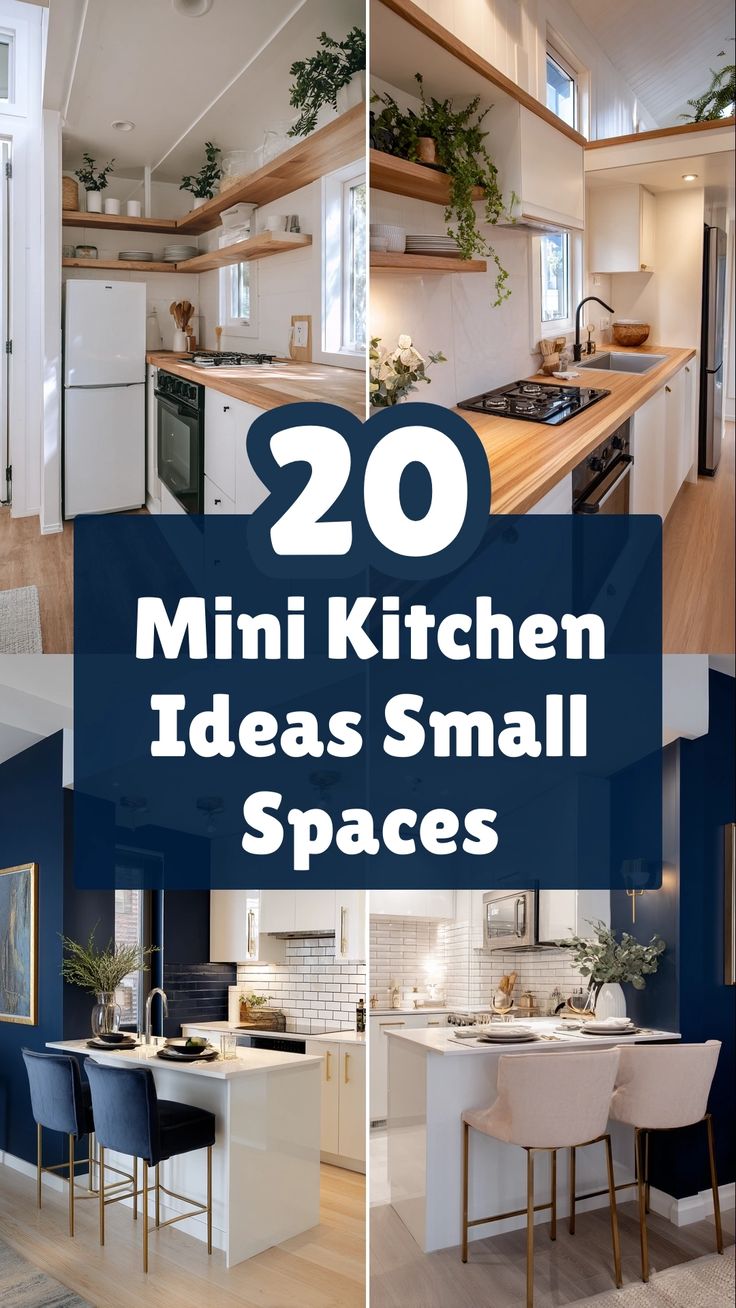
Starting out in a small kitchen can feel like solving a puzzle with missing pieces. The good news: the right moves can turn compact into capable. This guide is written for beginners who want practical, doable ideas that don’t require a full remodel or a big budget.
You’ll find simple plans for layout, clever storage, multi-use tools, and lighting and color tricks that make a kitchen feel larger, friendlier, and more efficient. No jargon, just steps you can take this weekend or over the next few weeks.
Grab a notebook and a measuring tape. The best ideas start with your space and a clear plan. We’ll walk you through small-kitchen concepts that work in real homes, not just showrooms.
Plan Smart: Layout and Zones
In a small kitchen, every inch counts. Start by measuring width, depth, and the swing of doors. Then sketch a simple layout that defines zones for prep, cooking, cleaning, and storage. Think of your kitchen as a tiny workflow map rather than a static box.
- Create a basic work triangle: place the sink, stove, and refrigerator so that you don’t chase across the room for each step. In a compact space, it’s often a straight line with a slight corner bend rather than a full triangle.
- Dedicate a prep zone near the sink with a cleared counter or a fold-down surface. If counter space is scarce, a portable butcher block on wheels can be pulled out when needed and tucked away afterward.
- Keep the cleaning zone near plumbing and waste storage. A small pull-out trash bin under the sink or a slim recycling drawer keeps clutter down without stealing counter space.
- Place frequently used items within arm’s reach. Rotate the layout as you cook; small changes can yield big gains in flow.
- Use vertical planning: wall-mounted rails, hooks, and magnetic strips keep utensils and knives visible and accessible without crowding counters.
Tip: if you can, position the prep area closest to the entrance, so you don’t pass through the cooking zone with raw ingredients. Even a minor re-seating can reduce tripping hazards and make daily cooking feel easier.
Storage Solutions That Make Space Sing
Storage is where tiny kitchens shine if you think vertically and use every nook. The goal is to keep surfaces clear while making essential items easy to reach.
- Maximize wall space with open shelves. They’re inexpensive, invite organization, and reflect light, which helps the room feel bigger.
- Install pull-out pantry racks or slim carts in narrow gaps. A few inches can hold spices, canned goods, or baking supplies without crowding a cabinet.
- Use drawer dividers and utensil organizers to keep tools sorted. A tidy drawer is a fast recipe pass.
- Magnetic strips for knives and metal tools free up drawer space and keep sharp items secure and accessible.
- Under-sink organization matters more than you think: use tiered trays or stackable bins for cleaners, rags, and trash bags.
- Choose clear, stackable containers for dry goods. Label them; it reduces rummaging and speeds up cooking prep.
A well-arranged kitchen can feel twice as large when you see everything in its place. Remember to purge duplicates, bulky gadgets you never use, and anything that duplicates purpose in the same tiny footprint.
Multi-Purpose Appliances and Tools
In small kitchens, fewer appliances that do more can be a big win. The right tools reduce clutter and keep counters clear for prep and plating.
- Compact, multi-function appliances save real estate. A multi-cooker, pressure cooker, or air fryer combo can replace several gadgets with one appliance.
- Choose an induction cooktop or portable burner if you don’t have a full stove. They’re safer, efficient, and easy to store when not in use.
- Nesting and folding items help maximize space: collapsible measuring cups, stackable bowls, and compact cutting boards.
- Keep a small “appliance garage” or dedicated cabinet space for rarely used gadgets. Out of sight, out of mind, and counters stay calm.
- Use multi-purpose cookware (a good skillet can sauté, sear, and finish sauces). One pan, fewer transfers, cleaner workspace.
Tip: rotate tools seasonally. Store seasonal gadgets in a higher shelf and keep everyday tools within arm’s reach. Small changes reduce clutter and friction when you cook.
Lighting, Color, and Visual Tricks
Lighting and color dramatically affect how big a space feels. The right palette and glow can make a small kitchen feel cheerful, open, and practical.
- Light colors reflect more light. White, pale gray, or soft pastels on walls and cabinets can visually expand the room.
- Layer lighting: install under-cabinet LEDs to brighten work zones and reduce shadows. A small chandelier or pendant can add personality without crowding space.
- Glossy backsplashes and glass-front uppers bounce light around the room and give a sense of depth.
- Keep countertops clear. A clean surface reads larger and ready for action. Use decorative jars and a single plant as a focal point instead of multiple items.
- Mirrors or mirrored backsplashes can fake depth. If you love a bold color, balance it with reflective surfaces to keep the room airy.
Small touches matter more than you might think. A bright atmosphere is part motivation—when you like the space, you’ll reach for your ingredients and tools more readily.
Budget-Friendly Makeovers for Quick Wins
If you’re itching for a transformation without breaking the bank, try these quick wins that deliver big returns in perceived space and usability.
- Reorganize first. A thoughtful re-shelving plan costs little and has a big impact on daily routines.
- Swap cabinet hardware for a lighter, sleeker look. New handles or pulls can refresh the entire vibe in a weekend.
- Add a compact, movable island or cart if floor space allows. It provides extra prep space and a social spot for quick meals.
- Upgrade lighting incrementally. Even inexpensive LED strips under cabinets can transform visibility and mood.
- Embrace decluttering as a design choice. A pristine, minimal kitchen often feels larger and more welcoming.
With these tweaks, your small kitchen can feel more open, more organized, and more fun to cook in. Start with one or two ideas that fit your space, then test what works best for your routine.
Remember, the goal isn’t to imitate a showroom—it’s to build a kitchen that fits your life. Small changes add up fast when they’re tailored to how you cook, shop, and relax in your space.


