
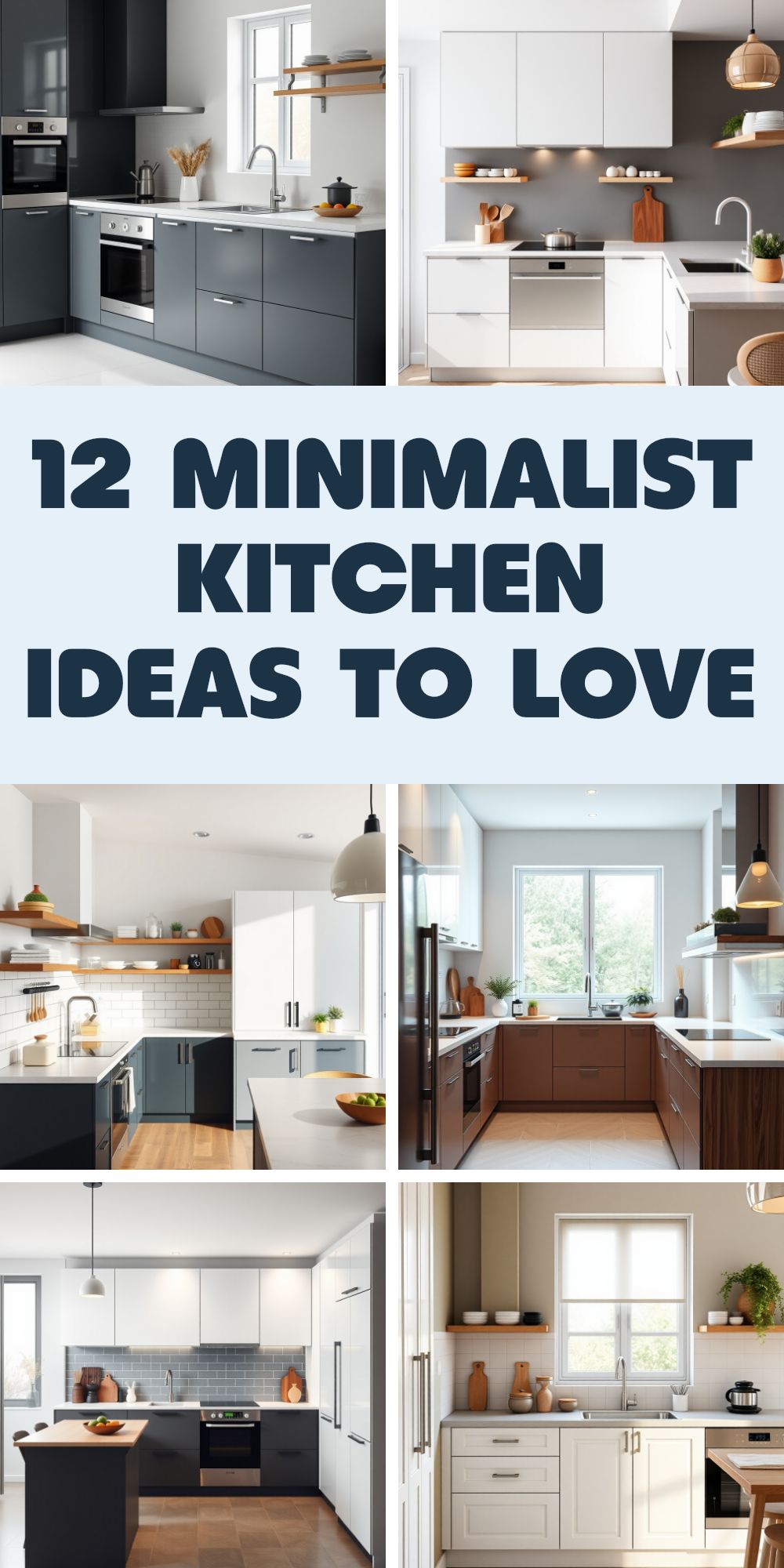
Minimalist Kitchen Design Made Easy: A Beginner’s Guide to Clean, Functional Spaces
<pDreaming of a kitchen that's calm, organized, and easy to use? Minimalist kitchen design can deliver that without sacrificing function or warmth. For beginners, it can feel intimidating—where do you start with countertops, cabinets, and appliances? The good news: you don't need a complete remodel to begin. A few thoughtful choices can transform a busy space into a serene work zone.
<pIn its simplest form, minimalist kitchen design means keeping only what you use, displaying only what you love, and choosing clean lines and quality materials. It isn’t about stark coldness; it’s about clarity, ease, and efficiency. This guide walks you through the ideas, practical steps, and tiny upgrades that make a big difference.
What Minimalist Kitchen Design Is
<pMinimalist design focuses on function over flourish. You’ll notice uncluttered surfaces, integrated appliances, and uniform details that feel calm and predictable. The goal isn’t to strip personality away but to create a kitchen you can use without distraction.
- Clear countertops with appliances stored away, so every inch serves a purpose.
- Cabinets with handleless fronts or recessed pulls for seamless lines.
- A restrained color palette—often white, gray, or warm neutrals—with a single accent color if you wish.
- Quality materials that age well, such as stone, solid wood, or durable composites.
- Hidden storage and smart organization to keep surfaces clean.
- Integrated appliances that blend into cabinetry, reducing visual clutter.
<pMinimalist kitchens still feel warm. Texture and light do the heavy lifting—think a limestone countertop, a warm wood island, and layered lighting that makes soft shadows rather than harsh glare.

The Core Principles That Guide Your Space
<pThese principles act like a checklist you can return to whenever you’re unsure about a decision.
- Simplicity in lines and forms: Flat-front doors, clean edges, and a restrained hardware approach create a calm silhouette.
- Storage that disappears: Pull-out pantries, corner solutions, and vertical storage keep the counters clear.
- Neutral palette with deliberate accents: Two to three colors max, with natural textures to add warmth.
- Integrated lighting strategy: A mix of ambient, task, and accent lighting ensures visibility without glare.
- Quality over quantity: A small number of well-made pieces feels more luxurious and lasts longer.
- Consistency: Use the same or similar materials and finishes across cabinets, countertops, and backsplashes for a cohesive look.
<pApplying these ideas doesn’t require a full redo. Start with a single zone, like the countertop area or the pantry, and expand over time as you learn what you actually use daily.

Practical Steps for Beginners
<pReady to translate theory into action? Here are simple, beginner-friendly steps to start your minimalist kitchen journey.
- Assess and map your space: Note the work zones (prep, cook, clean) and how you move through them. Identify traffic bottlenecks and surfaces that collect clutter.
- Define a two- to three-color palette: Pick a dominant base (like white or light gray), add a secondary shade, and choose one natural accent (wood, stone, or black hardware).
- Declutter and prioritize: Remove items you never use and relocate essential tools to closest storage. The goal is a surface that serves a specific function, not a display shelf.
- Choose cabinetry and hardware wisely: If you’re replacing doors, consider flat panels with hidden hinges. For hardware, a simple, consistent choice ties the room together.
- Plan the work triangle and zone sizes: Keep the distance between the sink, stove, and fridge practical. If possible, assign specific zones for prep, cooking, and cleaning to reduce back-and-forth.
- Incorporate texture and warmth: Introduce a wooden island, stone backsplash, or woven textiles. These elements keep the space from feeling clinical.
- Upgrade lighting in stages: Start with under-cabinet lighting for task work, add ceiling ambient light, and consider a decorative pendant if it suits the space.
Small updates pay off quickly. Even a single, well-chosen open shelf or a hidden vertical storage solution can transform how you experience your kitchen every day.

Make It Your Own Without Clutter
<pMinimalism isn’t about a cold, spare room; it’s about intention. Personal touches should enhance, not compete with, the room’s calm vibe.
<pConsider these ideas to keep the space feeling named by you, not by trends:
- Use natural materials: A wood island, stone countertops, or cork flooring can add warmth that feels timeless.
- Add carefully chosen plants: A small herb garden on the windowsill or a single tall plant adds life without clutter.
- Display one or two meaningful objects: A framed recipe you love or a handmade bowl can serve as a focal point without shouting.
- Select textiles with restraint: A single rug, a cotton towel set, or a linen apron in a complementary hue keeps the room cohesive.
- Keep digital devices out of sight: A charging tray or a cabinet with outlets helps maintain clean surfaces.

<pAs you personalize, test each addition against the room’s fundamentals: Is it helpful? Does it stay put when you cook or clean? If the answer is no, it’s likely adding to clutter rather than character.

Conclusion
<pMinimalist kitchen design isn’t a rigid set of rules; it’s a practical philosophy that helps beginners build a space that feels calm and works beautifully. Start with a clear surface, a modest color plan, and storage that vanishes from view. Then layer in warmth and personality with carefully chosen materials, lighting, and a few meaningful touches. With small, intentional steps, you’ll create a kitchen that’s easy to use, easy to maintain, and unmistakably yours.
