
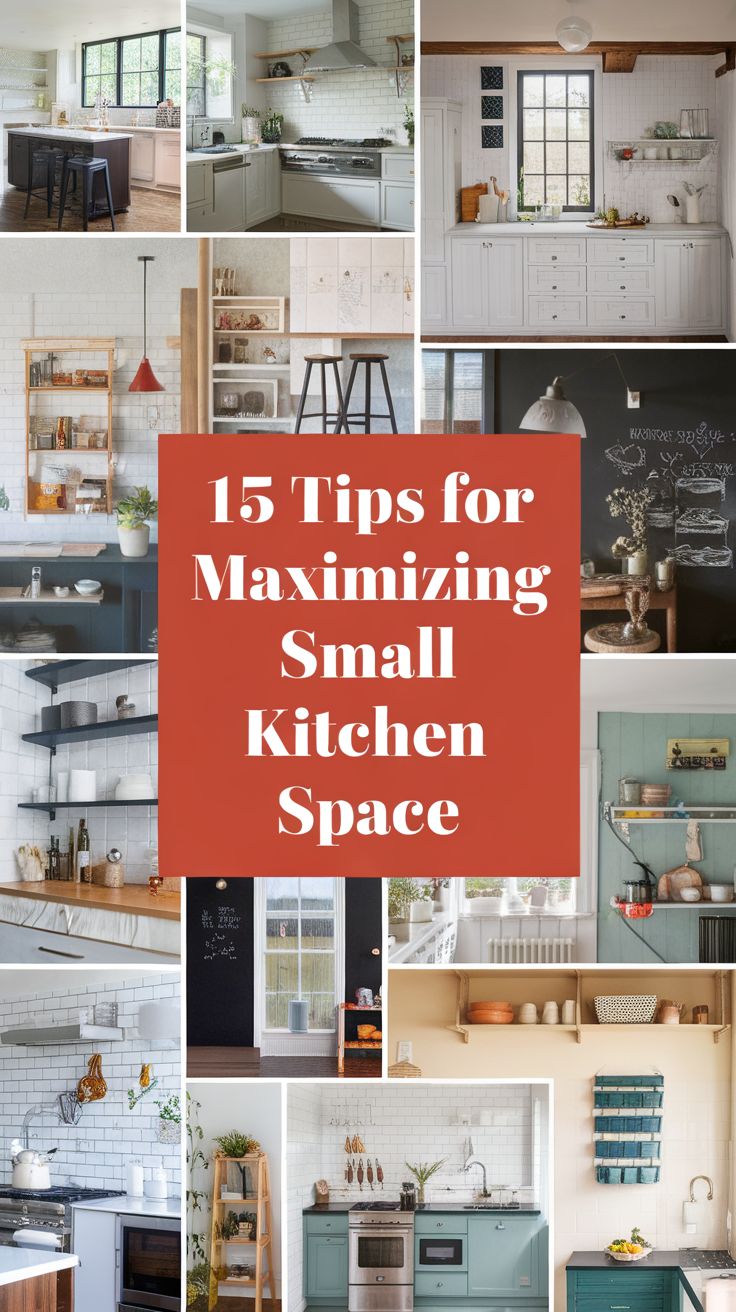
Starting with kitchen ideas doesn’t require a full renovation. For beginners, the best wins come from small, practical changes that make cooking easier, cleanup faster, and everyday routines calmer. Think of this as a practical playbook you can use this weekend or over the next few weeks. You don’t need a designer beeline or a big budget—just a plan you can stick to and repeat. In the pages ahead, you’ll find ideas you can implement in bite-sized steps, plus quick wins that pay off right away.
The goal is simple: create a kitchen that works for you today and scales with your needs tomorrow. We’ll cover storage that actually frees up counter space, smart layout ideas for beginners, budget-friendly updates that look and feel nicer, and must-have tools that prevent “I don’t know where to start” chaos in the kitchen. You’ll see practical tips, not perfectionist fantasies. If you’re unsure where to begin, start with one area that bugs you most—counter clutter, a dim corner, or a lack of simple tools—and take it from there.
As you read, you’ll notice how small changes compound. A few well-chosen containers, a tidy prep zone, and a reliable knife can change how you feel about cooking. The kitchen doesn’t have to be intimidating. It can be a space where recipes come together with less friction and more joy. Let’s dive in and turn kitchen ideas into real, doable steps you can take this week.


Smart Storage: Free Up Counter Space with Clever Kitchen Ideas
Clutter is the enemy of speed. When you have a home for every tool and ingredient, cooking feels lighter and less stressful. Start by mapping your tasks: a prep zone, a cooking zone, and a cleanup zone. Then design storage that supports those tasks, not fights with where things go.
- Adjustable shelves and pull-out organizers inside cabinets to reach items at the back without a struggle.
- Clear canisters for dry goods with simple top labels so you can see what you have at a glance.
- Dedicated zones for each task: a dedicated knife area, a spice station, and a place for baking gear if you bake often.
- Door-mounted organizers for lids, foil, parchment, and wrap—these reclaim precious cabinet space.
- Magnetic strips for knives and metal tools to keep counters clear.
- Under-sink organization with labeled bins for cleaners and recycling to reduce clutter behind doors.
For quick wins, start by choosing one shelf and turning it into a pull-out storage station. Move rarely used items to higher shelves and keep everyday essentials within arm’s reach. A small, well-planned pantry—or even a dedicated shelf in a cupboard—can dramatically simplify meal prep and shopping lists.

Budget-Friendly Upgrades That Deliver Big Payoffs
You don’t need to break the bank to make a kitchen feel fresh. Small, thoughtful updates can dramatically shift the vibe and functionality without the stress of a full remodel. The best upgrades are the ones you can complete in a weekend and reuse for years.
- Paint: a fresh coat on walls and cabinets can transform the room. Choose a light, durable shade to brighten the space and make it feel larger.
- Hardware swap: new handles and knobs on cabinets and drawers give an instant modern feel without changing the structure.
- Peel-and-stick backsplash: a simple, reversible update that protects walls and adds personality.
- Lighting: install under-cabinet LEDs and a brighter ceiling fixture for task lighting that makes every task easier.
- Affordable countertops or countertop covers: consider vinyl or laminate with a durable finish if real stone isn’t in the budget—these options are easier to install and replace later.
- Organizational bins, labels, and a small rolling cart to introduce flexible surfaces for prep and storage.
A great approach is to pick two areas to upgrade at a time: one aesthetic change (like hardware) and one functional improvement (like a pull-out organizer). You’ll feel a bigger difference than you might expect, and you’ll stay motivated to complete subsequent steps.

Tools and Appliances Beginners Should Consider
Having the right tools dramatically reduces friction in the kitchen. Start with a core set you can build on, then add as you cook more often. Focus on quality where it matters most and practicality where it saves time.
- Chef’s knife (8–10 inches) and a sturdy cutting board. A sharp knife changes everything in the kitchen.
- One versatile pan (a good nonstick skillet) and one reliable pot (a medium stockpot or Dutch oven).
- Mixing bowls in a few sizes and measuring cups/spoons to keep baking and cooking precise.
- Spatula, wooden spoon, tongs, and a can opener that actually works cleanly.
- Colander for pasta and vegetables, plus a peeler and grater for daily prep.
- A basic blender or stick blender if you like smoothies, sauces, or soups—start with one you’ll actually use weekly.
- Optional but useful: a compact toaster oven or slow cooker for hands-free cooking on busy days.
Don’t chase a perfect starter kit. Buy what you’ll use most in the next few weeks, and remember that tools aren’t forever. Replace or upgrade gradually as you discover what works best for your cooking style and space.

Aesthetics and Practicality: Color, Lighting, and Surfaces That Matter
A kitchen that feels good to work in blends function and personality. The right palette, materials, and lighting can make even a small space feel calm and inviting. Think about durability, ease of cleaning, and how the surface you choose reflects light and everyday use.
- Countertops and work surfaces: choose durable materials like quartz, solid surface, or high-quality laminate. These are easier to clean and maintain, which matters when you cook daily.
- Wall color and backsplash: light neutrals reflect light and enlarge the space, while a simple backsplash—peel-and-stick or ceramic tiles—adds personality without overwhelming the room.
- Lighting layers: combine ambient (overall) lighting with task lighting under cabinets and a touch of accent lighting to showcase a favorite feature or color in the room.
- Flooring that stands up to traffic and spills: look for slip resistance and easy cleaning. Durable vinyl, tile, or sealed concrete often fit beginner budgets nicely.
- Touches that make it yours: a magnetic strip for tools, a corkboard for grocery lists, or a small pot rack to free up cabinet space.
Starting with these details helps you build a kitchen you’re excited to cook in, not just one you tolerate. The trick is choosing durable, easy-clean options and combining them with a few personal touches that reflect your style.

Conclusion: The best kitchen ideas for beginners are the ones you can start today without a mega project. Pick one immediate win—like clearing a countertop, swapping cabinet hardware, or adding under-cabinet lighting—and commit to it this weekend. As you gain confidence, layer in the next idea: rework a pantry, add a simple backsplash, or upgrade your essential tools. Small steps compound into a space that feels personal, efficient, and surprisingly welcoming for both everyday meals and weekend projects. Your future-right-now kitchen is closer than you think, and it starts with a single, well-planned change.