
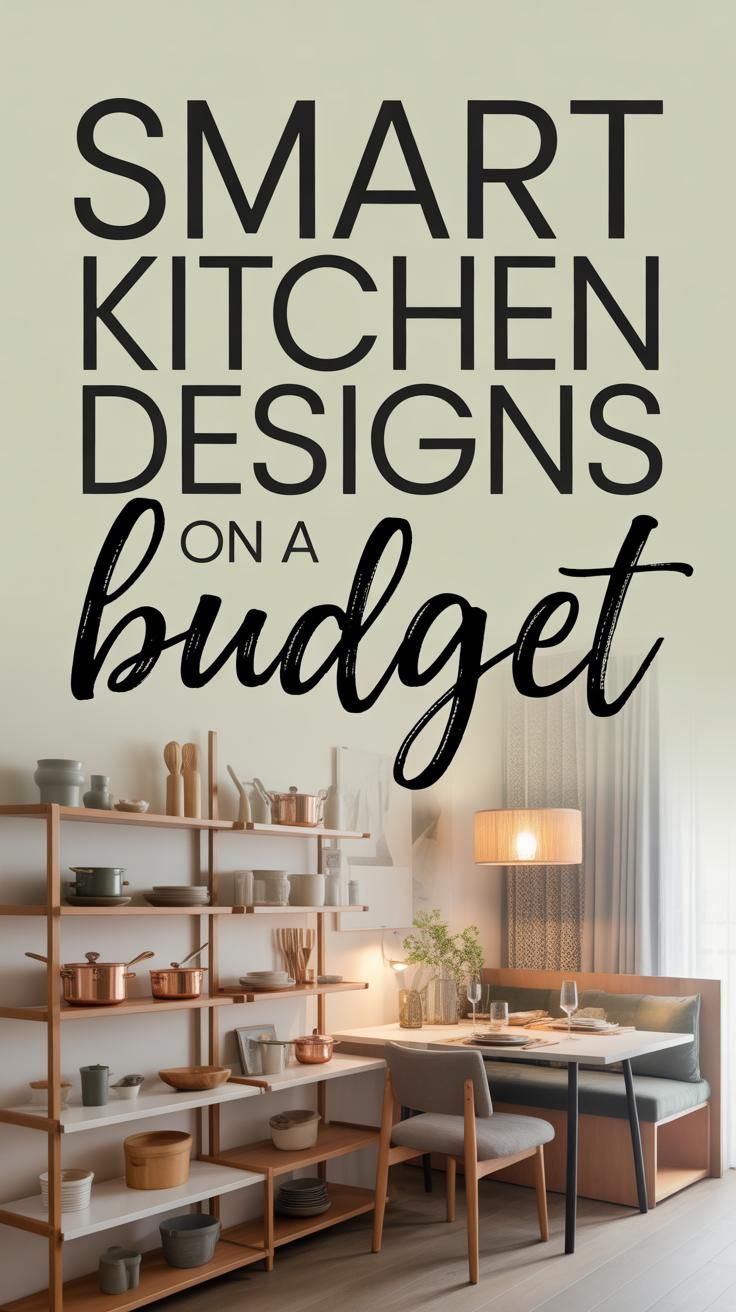
Embarking on a kitchen design project as a beginner can feel overwhelming. You want a space that’s efficient, inviting, and easy to maintain—but where do you start? The good news is that you can create a polished, functional kitchen with a clear plan and a handful of smart moves. This guide offers beginner-friendly kitchen design ideas that you can apply step by step: start with layout, then pick a color palette and durable materials, add storage where you need it, and finish with lighting that makes mornings effortless. Each idea is practical, budget-conscious, and scalable, so you can grow your space as you gain confidence. By focusing on fundamentals and choosing elements that work together, you’ll end up with a kitchen that feels cohesive without requiring a remodel of the century.

Smart Layouts for Beginner-Friendly Kitchens
The backbone of any kitchen is layout. For beginners, choosing a layout that fits your space and daily routines is more important than chasing trends. Start by measuring your room, doors, and window clearances. Then think about the work triangle: the distance between the fridge, the sink, and the stove should feel balanced and efficient. In smaller spaces, a well-planned L-shaped or U-shaped layout can deliver generous counter space while keeping traffic out of the main work zones. If you have a long, narrow room, a galley kitchen with two parallel lines can be surprisingly roomy if you keep one side dedicated to prep and the other to cooking and cleanup. If you love an island, keep at least 36 to 42 inches of clear floor space around it to allow easy movement and seating if desired.
Key starter moves for beginners:
- Prep zone near the fridge and sink to minimize steps
- Cooking zone with easy access to ventilation
- Cleaning zone near the sink and dishwasher for efficient cleanup
- Storage near the work zones to minimize back-and-forth trips
As you plan, remember that small wins add up. Reface existing cabinets, replace doors, or simply repaint everything in a light color to create an instant sense of space. A thoughtfully laid out kitchen reduces daily friction and makes future upgrades easier to manage.
Color Palettes and Materials That Stay Beautiful
Color and materials set the tone of your kitchen. For newcomers, sticking to a cohesive palette makes decisions easier and prevents a dated look. Consider neutrals as the base—soft whites, warm beiges, or cool grays—then layer in texture with wood tones, stone-like surfaces, or matte tiles. If you’re unsure, start with white cabinetry and a natural countertop; you can always add color through accessories, textiles, or a small tile accent later. When choosing countertops, consider durable, low-maintenance options like quartz or quality laminate; these resist stains and heat while staying affordable. Backsplashes are a chance to bring personality—glass, ceramic, or ceramic-look porcelain with simple patterns that echo your cabinet color are all beginner-friendly.
- Countertop: quartz or laminate for easy maintenance
- Cabinets: painted MDF or plywood alternatives for a smooth finish
- Backsplash: subway or stacked pattern in neutral tones
- Hardware: cohesive metal finishes (brushed nickel, matte black, or brass)
Test boards in natural light and compare samples side by side. Tiny shifts in shade can read very differently under daylight, so take measurements and gather a few options before buying large pieces. This approach keeps the project grounded and helps prevent buyer’s remorse.

Storage Solutions That Maximize Small Spaces
Storage is where beginners often feel the difference between a cluttered kitchen and a calm one. Plan to store by zone and use every inch wisely. Tall pantry cabinets that reach the ceiling maximize vertical space, while pull-out drawers and organizers keep utensils, spices, and pots easy to reach. For corners, a lazy susan or a hinged corner cabinet can turn dead space into usable storage. If open shelving appeals to you, reserve a small area to display your prettiest dishes; otherwise, closed cabinetry keeps dust away and creates a cleaner look. Don’t forget the space under the sink: use stackable bins and a pull-out waste/recycle center to simplify cleanup. The key is to design for your daily routines—how you cook, wash, and store will dictate the best layout, not the latest trend.
- Pull-out pantry and drawer organizers
- Corner solutions: lazy Susan or corner pull-outs
- Vertical storage: tall cabinets and magnetic strips
- Under-sink organization: bins and cutlery caddies

Lighting and Finishes: Small Details, Big Impact
Lighting can instantly upgrade a kitchen, especially for beginners who want a space that feels bright and welcoming. Start with three layers: ambient light to illuminate the room, task lighting over work surfaces, and accent lighting to highlight features you love. Under-cabinet LEDs are a budget-friendly way to boost visibility while making counters feel bigger. Pendant lights over an island or peninsula add personality and can anchor the space; choose a color temperature around 2700K–3000K for warmth. Finish details—like a unifying hardware style, a faucet with a clean silhouette, and coordinated metals—pull everything together without complicating the design. If you’re renovating on a budget, plan lighting first in the areas where you’ll spend the most time, then layer in fixtures as your budget allows. Small touches, like a seasonal rug or a stylish range hood, can make a big difference without a full overhaul.
- Ambient: ceiling fixtures or recessed lighting
- Task: under-cabinet lighting for precise prep work
- Accent: decorative pendant or toe-kick lighting
- Finishes: consistent hardware and faucet finish

With a thoughtful approach to lighting and finishes, you’ll see how small choices amplify your kitchen’s overall feel without overwhelming the process.
Starting with kitchen design ideas doesn’t require a dream budget or a dramatic gut renovation. By tackling layout first, selecting a timeless color and material combination, adding smart storage, and layering lighting, you can create a space that works now and ages gracefully. Make a short list of priorities, set a realistic budget, and test ideas in your daily routine. Tiny, thoughtful updates—like repainting cabinets, installing new pulls, or swapping out a countertop—can yield big momentum toward the overall look you want. With patience and a clear plan, your beginner kitchen can feel cohesive, efficient, and genuinely you.
