
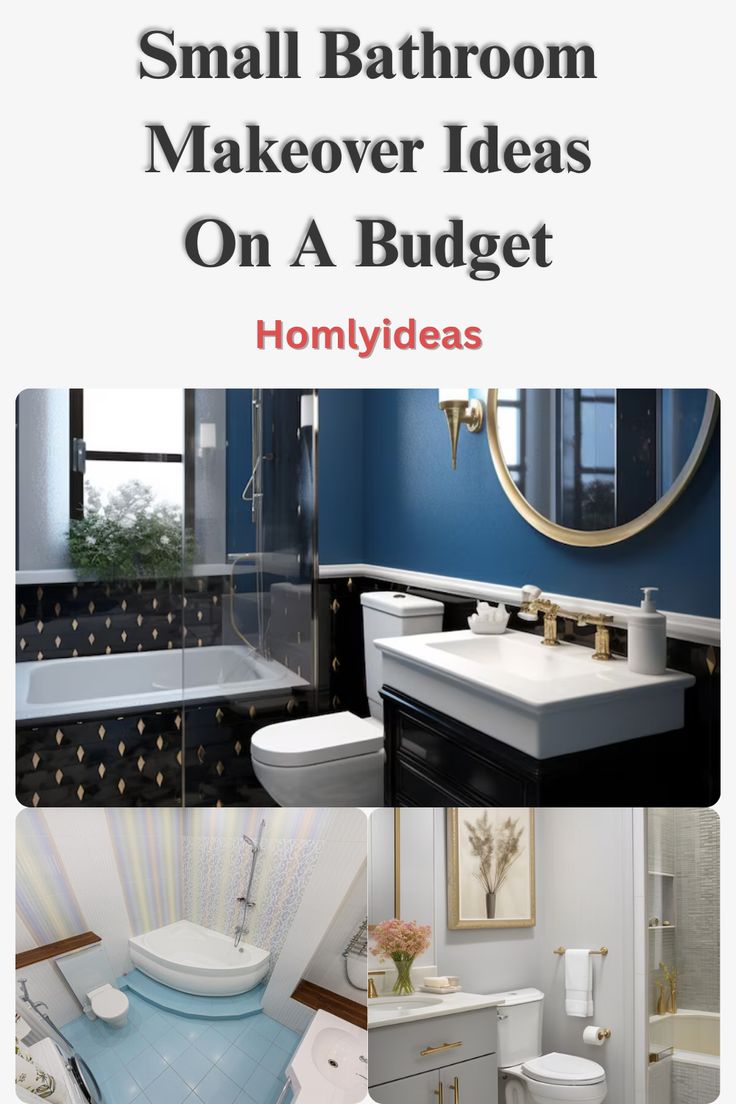
Thinking about a guest bathroom makeover but feeling overwhelmed? You’re not alone. A guest bath is a small space with big impact. It’s where visitors notice little details that say “you paid attention.” The good news: you can transform it with simple steps, beginner-friendly DIY, and a practical plan. In this guide, you’ll learn how to refresh the space without breaking the bank or turning your home into a construction zone. We’ll keep things straightforward, with doable tasks, clear milestones, and quick wins that look polished fast.
Plan, Budget, and Priorities
Before you lift a tool, set a plan you can actually follow. A well-thought plan keeps costs in check and prevents scope creep. Start with these steps:
- Measure the room: length, width, door swing, and ceiling height. Note where outlets, switches, and fixtures sit.
- Define the makeover scope: do you want a full refresh or just quick upgrades? For beginners, a “paint, hardware, and lighting” plan is often enough to make a dramatic difference.
- Set a realistic budget: aim for a mid-range target you can sustain. A common starter budget is 300–800 USD for a refresh, plus any larger items you truly need.
- Gather a mood board: collect a few colors, materials, and finishes you love. This keeps decisions cohesive as you shop.
- Decide DIY vs. professional help: most of the work for a beginner is DIY-friendly. Reserve professional help for plumbing or electrical tasks if needed.
Tip: create a simple checklist with three sections—must-have upgrades, nice-to-have upgrades, and contingency funds. Crossing items off from the top will keep momentum and prevent spending spirals.
Instant Upgrades That Sparkle
You can achieve a fresh, high-end look with a few well-chosen updates. These quick wins punch above their weight and are friendly to beginners.
- Refresh the walls with moisture-resistant bathroom paint. Light neutrals or soft pastels brighten the space and make it feel larger.
- Swap old hardware: new cabinet pulls, towel bars, and hooks are inexpensive and transformative.
- Upgrade the mirror or add a framed mirror for instant style. If a frame feels heavy, a modern frameless mirror with a new light fixture can also modernize the room.
- Improve lighting: install brighter, warm-toned LED bulbs and consider a vanity light that minimizes shadows on the face.
- Update textiles and decor: fresh towels, a new shower curtain, a coordinated rug, and small accents in a unifying color scheme tie the room together.
- Seal and refresh: re-caulk around sinks and the tub, refresh grout with a sealant, and clean fixtures to restore shine.
Simple care note: choose washable finishes and mold-friendly materials since bathrooms are humid spaces. A little maintenance goes a long way in keeping things looking new.
Materials and DIY Projects for Beginners
Starting from scratch isn’t necessary. Here are beginner-friendly materials and projects that deliver big results without a massive toolkit.

- Paint and primer: invest in a good bathroom-grade paint. A mildew-resistant formula helps with longevity. Prep by cleaning surfaces, taping edges, and using painter’s tarps to keep areas clean.
- Peel-and-stick options: consider peel-and-stick backsplash or tile decals for a budget-friendly upgrade without messy tiling. They’re forgiving for first-timers and removable if you want a new look later.
- Vanity updates: if your vanity is dated but sturdy, a paint job on the cabinet doors and a new hardware kit can dramatically change the vibe. For countertops, you can use durable prep-rated contact paper or refinishing kits to refresh the surface.
- Fixtures and fittings: replace a dated faucet with a modern, water-efficient model. Swap an old toilet seat for a cushioned, quiet-close option for a small upgrade with big comfort.
- Shower and tub: if a full remodel isn’t in the cards, update with a new shower curtain, a simple glass door kit, or a framed shower curtain rod. Consider a temporary waterproof wallpaper or vinyl tiles for a pop of pattern in semi-wet areas.
- Sealing and protection: use a grout pen or colorant to refresh grout lines; seal polished surfaces to resist moisture and mildew growth.
Step-by-step example: painting the vanity doors
- Remove doors and drawers; label them so you know where each piece belongs.
- Clean, sand lightly, and wipe down all surfaces.
- Apply a bonding primer designed for wood or laminate; let dry per manufacturer’s instructions.
- Paint with two coats of a durable cabinet-grade paint, allowing proper drying time between coats.
- Reattach doors with new hardware for a fresh finish.
Smart Storage and Layout for Small Spaces
Even a compact guest bath benefits from thoughtful storage and layout. Small changes can reduce clutter and increase usability.
- Vertical storage: install slim wall shelves above the toilet or behind the door. Open shelves keep essentials accessible and add display space for pretty containers.
- Medicine cabinet upgrade: a shallow wall-mounted cabinet with mirrored doors creates extra storage without stealing floor space.
- Baskets and organizers: use neatly labeled baskets for toiletries, extra spare towels, and cleaning supplies. Choose materials that resist moisture, like resin or coated wicker.
- Towel strategy: add a compact towel rack or hooks on the back of the door. If there’s a small alcove, a rolling cart can fit between fixtures for extra versatility.
- Door and space planning: swap a standard door for a sliding or pocket door if space is tight. If that’s too involved, ensure the door clears handles and doesn’t impede access to drawers or shelves.
Styling tip: keep a simple color palette across storage containers, towels, and accessories. This makes the space feel cohesive and calmer, which is especially nice for guests.

Color, Texture, and Finishing Touches
Finish the makeover with a cohesive color story and contrasting textures. Start with three core elements: wall color, countertop/vanity finish, and hardware. Then add texture through textiles and small decor pieces.
- Color: light neutrals with pops of accent color (like navy, sage, or sunshine yellow) create a welcoming feel without overwhelming the space.
- Texture: mix matte and shiny finishes for interest—matte cabinet hardware against a glossy sink or porcelain fixtures.
- Natural elements: a small plant or vase with seasonal stems can soften the room and make it feel more homey.
- Consistency: limit the palette to 2–3 primary colors plus metallic accents to avoid a cluttered look.
As you shop, keep your mood board handy. If a finish or color doesn’t align with your plan, set it aside and return later with fresh eyes.

Conclusion: A Fresh Guest Bath That Feels Welcoming
A guest bathroom makeover doesn’t have to be overwhelming. With a clear plan, affordable upgrades, and a few beginner-friendly projects, you can create a space that feels polished and inviting. Start with a sensible plan and budget, tackle quick upgrades for an instant lift, and then layer in materials and storage solutions that fit your room and skill level. The result is a guest bath that looks curated, functions well, and makes guests feel right at home. Keep expectations realistic, celebrate small wins, and enjoy the process of transforming a small space into something you’re proud to share.
