
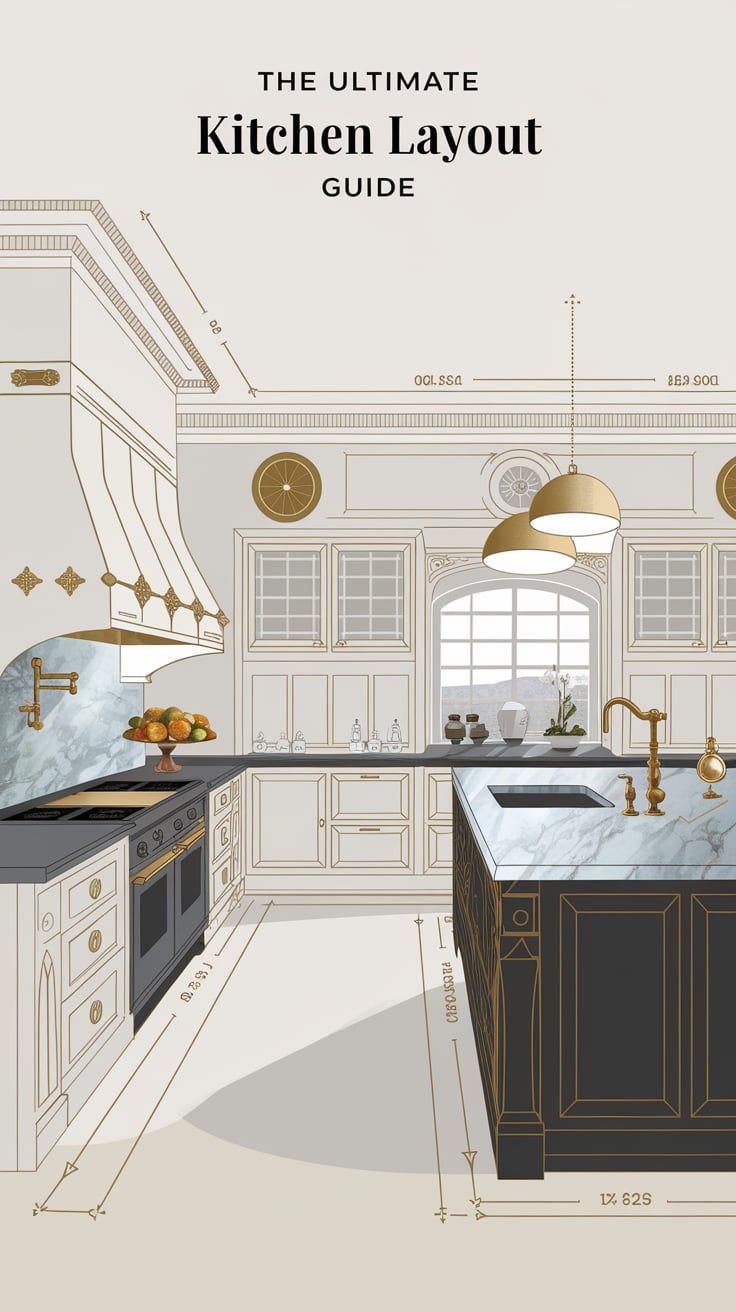
Choosing a kitchen layout can feel overwhelming at first glance, especially if you’re a beginner. But when you focus on real needs—how you cook, how you move through the space, and how you like to gather—design decisions become clear. This guide offers a practical, step-by-step approach to help you map a layout that fits your home, your routines, and your budget, without the fluff.
Step 1: Start with your cooking reality
Before sketching lines, name three typical days in your kitchen: a quick weekday dinner, a batch-cooking Sunday, and a weekend entertaining session. List your must-have appliances and what you actually reach for daily. If you bake, you’ll want more counter space and better placement for your mixer. If you entertain, you’ll prioritize a social island and easy flow to the dining area. These realities become your north star for choosing a layout.
Tip: write three concrete tasks you do weekly (e.g., slice, sauté, wash) and note where you’d want those tasks to happen in relation to each other. This simple exercise keeps your design grounded in your life, not trends.

Step 2: Understand the core zones and the work triangle
Think in zones: prep, cooking, and cleaning plus storage. The most efficient layouts minimize walking distance between these zones. Classic guidance talks about the “work triangle”—the relationship between sink, stove, and fridge—but the modern take honors multiple targets: coffee station, baking area, and a wine or snack zone if you like entertaining. The goal is to keep a natural rhythm: you reach what you need without crossing paths with someone moving in the opposite direction.
Key takeaways for beginners:
- Keep prep space close to the fridge and sink for quick grabs and easy washing.
- Place the stove where you can vent naturally and still join conversations at the counter or island.
- Reserve a dedicated cleanup corner near the sink with convenient access to the dishwasher and trash/recycling.
Remember, exact measurements aren’t destiny; the idea is to set up logical zones that reduce backtracking and clutter. What to watch for: doors swinging into work zones, and corners that trap traffic. Aim for an open line of sight between the main work zones and any seating area.

Step 3: Map your space
Grab a tape measure, a notepad, and graph paper (or a simple room-planner app). Start with the footprint: doorways, windows, and any built-ins. Mark utilities—water lines, gas lines, electrical outlets, and vent locations. Then sketch a basic floor plan that notes the following:
- Where the sink sits relative to windows (for natural light and easier cleanup).
- Where appliances land (fridge, oven, dishwasher) and their frontal clearance.
- Where you’d like an island or peninsula if space allows.
Next, test a few lane widths in your drawing. You want comfortable movement: not too tight to navigate, but not so wide that the kitchen feels clinical. A quick rule of thumb: aim for 36–42 inches of clearance along principal paths; wider if you cook with a crowd. Pro tip: label each zone in your sketch to see how your real routines map onto the plan.

Step 4: Compare layouts that work for beginners
Five beginner-friendly archetypes cover most spaces. Each has its own rhythm and capacity to adapt as your skills grow.
- L-Shaped: Great for smaller spaces; creates a defined work triangle with two perpendicular walls. Pros: efficient, accessible. Cons: can feel cramped if the room is very long.
- U-Shaped: Maximizes counter space and storage with three walls of cabinets. Pros: fantastic workflow; Cons: can feel enclosed if there’s little natural light.
- Galley: Two parallel runs offer excellent efficiency for one cook. Pros: compact and fast; Cons: can feel narrow if not well-lit.
- Island/Peninsula: Adds prep space and a social focal point. Pros: flexible and open; Cons: requires more space and potentially extra plumbing/electrical work.
- One-Wall: Ideal for open-plan areas or studios. Pros: simple, budget-friendly; Cons: limited prep and storage space.

Step 5: Plan for flow, safety, and accessibility
Think about you and others moving through the space. If you have kids or frequent guests, ensure clear paths and reachable storage. Prioritize non-slip flooring, rounded cabinet corners, and pull-out shelves to reduce bending and reaching. Lighting matters: combine ambient light with task lighting over prep counters and under-cabinet lighting for precise work at night.

Step 6: Utilities, lighting, and materials
Electrical outlets are the unsung heroes of a good layout. Plan for charger access at the island, under-cabinet outlets for small appliances, and GFCI protection near sinks. Lighting should be layered: ambient (overall), task (counter and stove), and accent (cupboards, architectural features). Ventilation must be sized for your cooking load—range hoods matter. When selecting materials, balance durability with maintenance: quartz countertops resist stains, while solid wood can introduce warmth but needs care. Color choices affect mood and perceived space—light tones can make a small kitchen feel larger, while bold accents create personality.

Step 7: Turn ideas into a concrete action plan
Set up a two-week sprint to translate your sketch into reality. Start with the plumbing and electrical scope—what can be moved or needs rerouting? Then decide on a layout type, finalize dimensions, and select core materials. Create a shopping list organized by category (cabinetry, countertops, appliances, lighting). If you’re hiring pro help, get at least three quotes and ask to see previous kitchen projects with references. If you’re DIY-curious, map a phased plan: demo, rough-in, install, and finish. The goal is a clear roadmap, not guesswork.

Step 8: Three beginner-friendly scenarios you can replicate
Scenario A — Cozy L-Shape (8×10 ft equivalent): This setup keeps everything within reach and creates a snug, efficient triangle. Add a wall-mounted open shelf for lightweight items and a compact pantry. Scenario B — Smart Galley (7×12 ft equivalent): Two opposite counters maximize rhythm and speed. Use slim pull-out organizers and a narrow island if space allows for a quick social moment while cooking. Scenario C — Social Island (12×16 ft equivalent): A generous island anchors the room, with seating for conversation and casual meals. Pair pendant lighting with task lights for daytime and evenings.
These templates are starting points. Your exact dimensions matter—adjust the zones to fit your space and daily rituals, not the other way around.