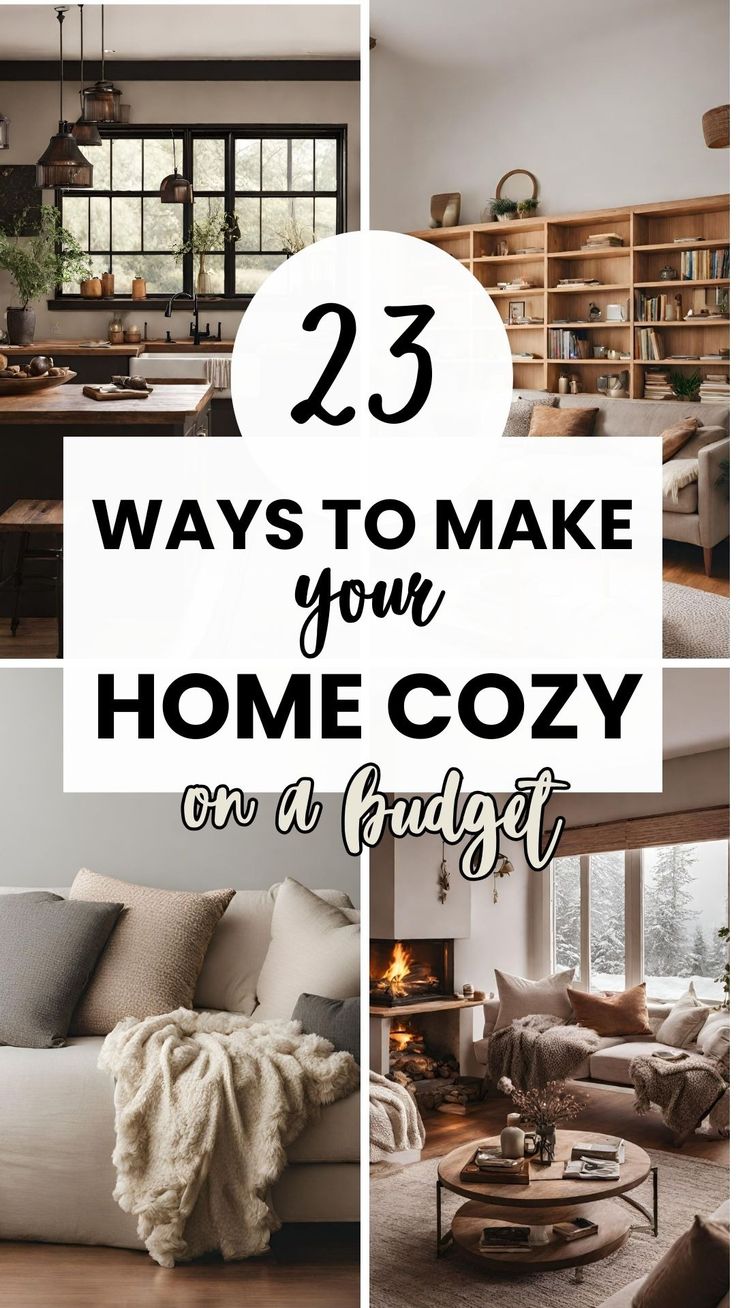
Want a living room that feels like a hug without breaking the bank? You’re in good company. A cozy, budget-friendly setup is less about chasing the latest luxury trends and more about intentional choices—texture, light, and a few smart purchases. This guide helps beginners build a warm, inviting space that looks polished and feels personal, even if you’re shopping with a limited budget.
Start with a simple plan you can actually follow
Before you buy a thing, sketch out a tiny game plan. Think of three anchors: color, textures, and layout. Start with a base palette of 2–3 neutrals (think soft ivory, warm gray, and a hint of taupe). Then pick one warm accent color (sage, terracotta, or mustard) to pepper in through textiles and decor. Finally, map a layout that prioritizes a comfy seating arrangement and easy flow between entry, seating, and focal points like a media wall or a fireplace.
Helpful tip: measure your room and doorways, create a simple floor plan on graph paper or a digital mockup, and list budget-friendly swaps you can make over time. Small wins add up, and you’ll stay motivated to finish the room without overspending.

Layer texture, not just color
Texture is the secret weapon for making a budget space feel luxe. Start with a soft rug underfoot, then add a couple of throw blankets—one chunky knit and one fluffy—plus a handful of tactile cushions. Mix natural fibers (cotton, linen, wool) with a touch of velvet or faux fur for depth. You don’t need a lot of pieces; you just need the right combination that invites people to sit, touch, and relax.
Quality textiles often cost less than a big, statement piece and are easier to swap out as seasons or moods shift. If you’re unsure about color, test a couple of neutral tones on walls first, then introduce your accent hue through textiles that can be rotated with the seasons.

Color strategy that makes a space feel bigger and warmer
Lighter neutrals open up a room, but pure white can feel cold. Aim for off-white, warm beige, or greige as your base, and reserve bold or dark accents for smaller doses—think a single statement pillow, a throw, or a piece of art. To avoid a flat look, introduce tonal variations and subtle contrast. A touch of matte black or brass in hardware or lighting adds sophistication without shouting expensive.
One practical approach: paint one wall a softer shade within your base palette to create depth, then keep adjacent walls near your base color. If painting isn’t in the budget, use peel-and-stick wallpaper or wall decals in a gentle pattern to mimic texture without committing to a full repaint.

Invest where it counts, save where it matters
On a budget, you don’t need to shy away from style—you just need to make smart choices about where to invest. A comfortable sofa or chair is worth a higher quality option because it anchors the room and gets daily use. If a bigger piece feels risky to buy online, consider a secondhand find that can be reupholstered or refreshed with new cushions or a slipcover. For the rest, mix affordable options with a few statement pieces that reflect your personality.
Smart sourcing tips:
- Look for modular or compact seating that fits your space and adapts to different occasions.
- Choose a durable fabric for the main seating (woven blends or performance fabrics often handle wear better than delicate textiles).
- Shop seasonal sales and look for last-year models that still feel fresh but cost less.
- Repurpose furniture with simple updates: new hardware, a fresh coat of stain or paint, or a reupholstered seat cushion can transform a piece.
For deeper beginner-friendly guidance, you might enjoy these guides: Cozy Living Room Design for Beginners: A Warm, Texture-Rich Path to Comfortable Conversation, Hug-Worthy Havens: A Beginner’s Playbook for Creating a Warm, Welcoming Living Room, and Cozy Living Room on a Budget: A Beginner’s Guide to Warmth, Style, and Comfort.

DIY and upcycling: small changes that feel big
DIY projects don’t have to be overwhelming. A few weekend-friendly ideas can transform the room’s vibe without draining your wallet:
- Reupholster or slipcover an old chair in a durable fabric that ties into your color palette.
- Finish a DIY coffee table with a natural wood stain to add warmth; seal for durability.
- Create a gallery wall using affordable frames and a cohesive matting color; curate a few personal photos or prints to keep it intimate.
- Swap in energy-efficient lighting with warm bulbs to soften the space and enhance textures.

Layout and lighting: cozy vibes are a function of both
Layout should invite conversation and eye movement, not block pathways. Place seating in a way that centers on a focal point (fireplace, TV, or a striking piece of art), with a coffee table within easy reach. Layer lighting: ambient overhead, task lighting for reading, and a soft, warm accent light to finish the mood. Dimmer switches are a small upgrade that makes a big difference at night.
Pro move: keep clutter minimal so texture and color can shine. Use baskets, ottomans with storage, or a slim console to tuck away remotes and cables without sacrificing style.

Putting it all together: a practical starter checklist
Use this quick checklist as you shop or gather items over time:
- Base neutrals that will stay timeless (2–3 colors max).
- Two or three textiles that add warmth (one rug, two textiles of varying textures).
- One or two statement pieces you love (wall art, lamp, or a plant stand).
- Storage-friendly furniture to reduce visual clutter.
- Lighting with warm bulbs (below 3000K for cozy glow).
As you build your space, revisit your plan monthly. A few thoughtful swaps—like exchanging a cushion cover or swapping a throw—keep the room feeling fresh without a big expense.
If you’re hungry for more, explore the beginner-friendly guides linked above. They expand on texture, layout, and budget-conscious strategies that help you avoid common pitfalls and create a space that truly feels like home.
