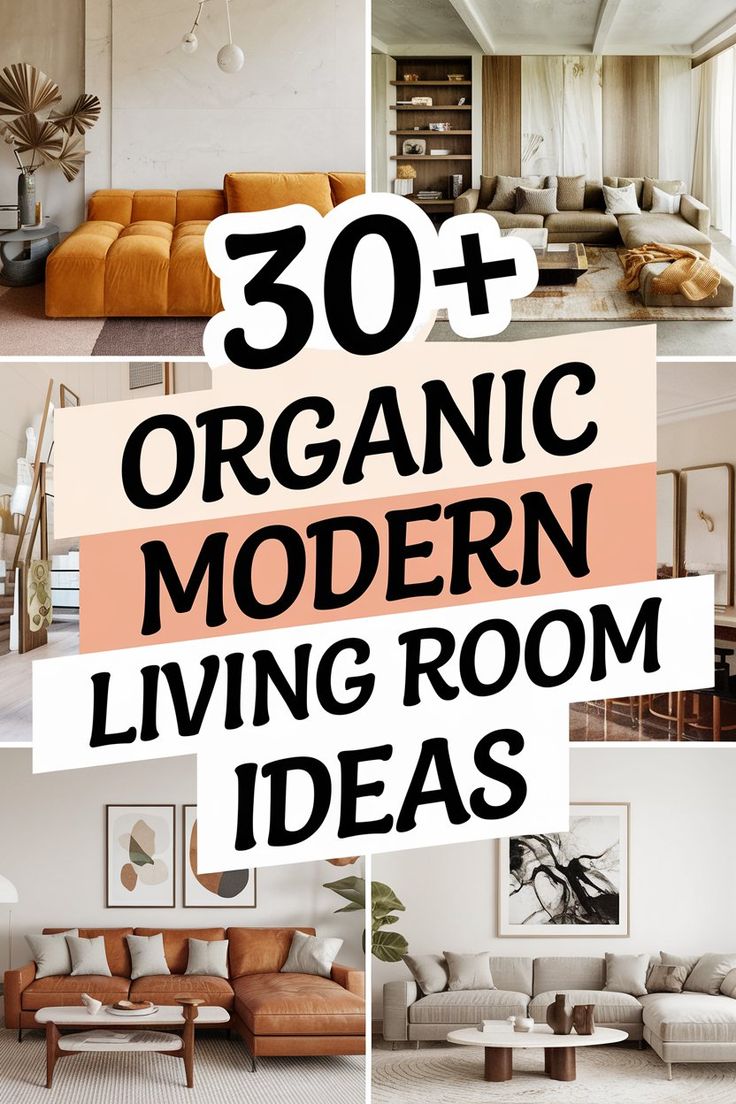
Warmth, softness, and organic vibes are within reach for every beginner. You don’t need to redo everything at once. This post compresses 30 ideas into four practical categories: color foundations, texture layering, organic shapes, and lighting that glows. Implement a couple at a time, and watch your living room feel calmer, cozier, and more “you.” The goal is tactile comfort and easy living, not a showroom finale. Start with a soft base, add gentle textures, introduce natural shapes, and finish with lighting that invites relaxation. If you want a broader sense of atmosphere, several ideas here pair well with trends in other spaces. For example, Sleep Sanctuaries 2026 offers beginner-friendly bedroom trends that translate well to living rooms, and 2026 Bedroom Aesthetic Trends You Can’t Ignore provides additional color and texture cues you can borrow. You don’t have to do it all at once—just start with a few changes and build from there.
Warm color foundations
Color is the easiest way to set a warm, soft mood. The goal is to create a calm base that you’ll want to live in day after day. Start with generous neutrals and lean into undertones that feel friendly rather than stark. A warm white, greige, or oatmeal base wall can keep your room feeling expansive while staying cozy. Then layer in earthy hues—sand, taupe, sage, or terracotta—through textiles and accessories. A little color goes a long way when it stays subtle.

- Paint walls in warm neutrals with soft undertones, not pure white.
- Choose wood tones like pale oak or honeyed maple for furniture legs or a coffee table.
- Introduce textiles in sand, olive, or muted terracotta for softness without glare.
- Use a 60% dominant color, 30% secondary, and 10% accent as a simple rule of thumb.
- Keep curtains light and airy in warm tones to diffuse daylight gently.
- Borrow ideas from nature and avoid overly cool palettes that feel clinical.
If you’re curious how color and atmosphere interact in real spaces, the mentioned articles can offer fresh angles—Sleep Sanctuaries 2026 and 2026 Bedroom Aesthetic Trends You Can’t Ignore link practical color ideas to other rooms as well.
Soft textures and textiles
Texture is the sensory signature of a warm, inviting room. Think layers you can touch: fabric, fiber, and weave that feel good under bare skin or on a cozy couch. The aim is to mix materials that soften edges, dampen echoes, and add depth. Start with a generous sofa or chairs in a supple fabric, then add throws, cushions, and a rug that invite you to sink in. The texture mix should stay cohesive in color—think tonal beiges, creams, and greens—so the room looks deliberate rather than busy.

- Slipcovered or linen-upholstered seating for a casual, lived-in vibe.
- Boucle, wool, or cotton cushions in varied sizes for visual interest.
- A wool or jute rug with a soft pile to warm up floors viewable at eye level.
- Layered throws in knitting, crochet, or quilted textures for tactile depth.
- Mix natural fibers (linen, wool, cotton) to keep rhythm without repetition fatigue.
- Pick textiles in a unified palette to avoid visual overload while still reading cozy.
Textiles are your friend for quick upgrades. A single throw or a couple of cushions can shift a room from flat to welcoming. For broader ideas on how to keep spaces feeling both modern and comfortable, you might enjoy related reads like the bedroom trend pieces I mentioned earlier.
Organic shapes and natural materials
Organic shapes soften a space and add a sense of ease. Round coffee tables, curved sofa arms, and sculptural side tables feel approachable and less formal than sharp angles. Natural materials anchor the room to the outdoors—wood, stone, ceramic, rattan, and clay textures bring warmth that synthetic pieces struggle to match. Mix a couple of statement pieces with a dozen smaller, grounded items for balance. Remember, you don’t need perfect matchy-matchy; you want a curated, nature-inspired vibe that still feels relaxed.

- Choose a coffee table with rounded edges or a live-edge wood slab for character.
- Incorporate rattan or cane chairs to introduce textural variety.
- Use ceramic or stone vases with organic shapes for simple accents.
- Add a plant or two with a natural pot texture to reinforce the theme.
- Keep metals warm—brushed brass, copper, or matte gold—rather than chrome.
Organic design isn’t about perfection; it’s about warmth and ease. A curved sofa silhouette paired with a rugged wood coffee table communicates comfort without sacrificing style. If you’d like to see how these ideas translate to other spaces, the linked bedroom trend pieces can offer cross-system inspiration.
Lighting, layers, and finishing touches
Lighting can make or break the warmth of a room. Layer light sources to create a soft, encompassing glow rather than a single bright beam. Start with a warm overhead light or ceiling fixture, add a floor lamp with a fabric shade, and finish with table lamps that cast warm pools of light. Dimmers are a quiet hero—they let you shift mood from bright daytime to cozy evening without changing fixtures. Curtains or translucent shades soften daylight and help textures read as gentle rather than flat. Finally, keep the space clutter-free and curate a few simple accessories that reflect nature—basketry, a terracotta vase, a few botanical prints—to reinforce the organic vibe without overwhelming the senses.

- Layer lighting: overhead, task, and ambient sources with warm bulbs (2700K–3000K).
- Install dimmers to adjust mood as the day progresses.
- Use sheer or light-filtering window treatments to diffuse sunlight.
- Choose simple, nature-inspired art and a few well-placed plants.
- Declutter with intention; keep surfaces clean and visually breathable.
A well-lit room feels more welcoming and lived-in, especially when you combine soft textures and organic shapes. If you want to explore more about cohesive look and maintenance across spaces, you can glance at the broader trend posts linked above and in related reads for quick cross-room ideas.
Conclusion
Creating a contemporary living room that feels warm, soft, and organic is less about fancy fixes and more about thoughtful layering. Start with a gentle color base, weave in textures that invite touch, add a few curved, natural-material pieces, and finish with lighting that glows rather than glares. Implementing these ideas one by one makes the process approachable—and your space becomes a calm, welcoming hub you’ll actually enjoy spending time in. Remember, the goal is comfort you can feel as you sit, relax, and breathe easy. If you’re exploring related space ideas, the linked articles above can offer fresh angles while staying beginner-friendly.