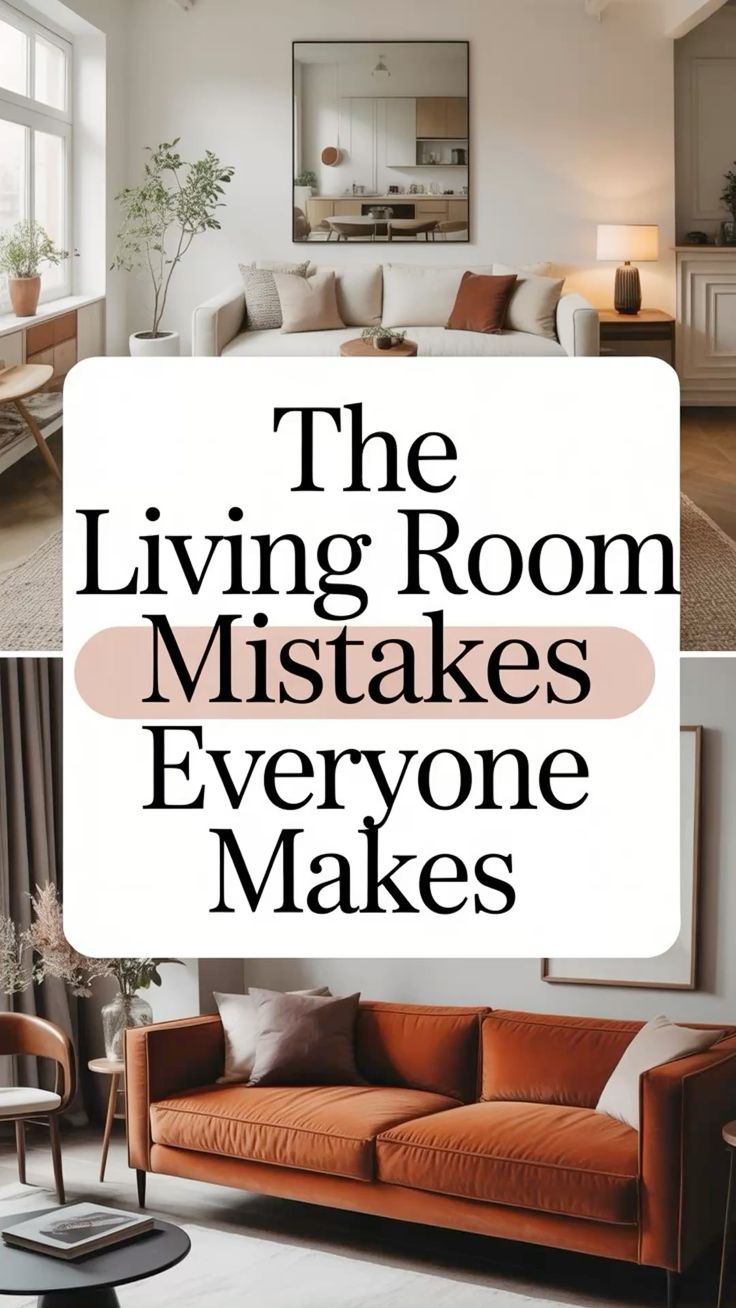
Thinking about a fresh living room look? You don’t need a designer’s budget to get a space that feels intentional, balanced, and welcoming. These 15 tricks are the ones interior designers reach for again and again, but explained for beginners. They focus on structure, balance, and those little touches that make a space feel lived-in rather than showroom-perfect.
Whether you’re starting from scratch or refreshing what you already have, these tips cut through the overwhelm. We’ll cover color, scale, texture, lighting, and finishing touches — practical, actionable steps you can implement this weekend.
Start with a Simple Color Strategy
Color sets the mood of a room before you even add furniture. Start with a neutral base for walls, larger furniture, and floors. Then pick one or two accent colors that you love and can repeat throughout the space. The goal isn’t a rainbow; it’s a cohesive language your eye recognizes as “finished.”
- Choose a base color family (warm neutrals like taupe, beige, or greys; or cool neutrals like stone and greys) and stick with it for 60% of surfaces.
- Assign a secondary color to 30% of the room (sofas, chairs, or curtains) and a single pop color for 10% (decor, pillows, or art).
- Test swatches in natural light at different times of day before committing to paint or large fabrics.
- Avoid tiny color shifts—keep your neutrals consistent across fabrics, floors, and walls to prevent a disjointed look.
- Use textiles to carry color so you can swap accents without a full remodel later.
Tip: repeat the accent color in small doses across different zones of the room. A throw blanket, a vase, and a rug pattern that nod to the same hue create harmony without monotony.

- If a bold color is appealing, use it in one anchor piece (like a sofa or upholstered chair) and keep other large surfaces neutral.
- Test color combinations in one corner first. If it feels right, roll it out gradually across the room.
Proportion and Scale: The Quiet Guide to Comfort
Size and placement matter more than you might think. A well-proportioned room feels balanced, even when it’s filled with personal treasures. The trick is to match furniture to the room’s footprint and to ensure there’s enough space to move.
- Length of your sofa should feel in proportion to the wall it faces; a rule of thumb is about 2/3 the width of that wall, with enough seating for the room’s traffic.
- Rugs should anchor furniture; a common standard is to have front legs of all main pieces rest on the rug. If you have a large seating group, a larger rug can unify the space.
- Leave at least 18–24 inches of space between the coffee table and surrounding furniture to allow easy movement.
- Ceiling height guides furniture height: low-profile pieces feel more balanced in rooms with high ceilings; tall bookcases work well in rooms with standard ceilings for vertical interest.
- Think in “zones”: a conversation cluster, a reading nook, and a small games or TV area can coexist if each has its own scale and furniture set.
If you’re nervous about choosing the right dimensions, start with a well-reviewed mid-size sectional or sofa and build around it. You can always add or remove pieces as you learn what the space needs.
Texture, Layering, and Pattern: Richness Without Clutter
Texture is what makes a room feel tactile and alive. Layering textiles and materials adds warmth and depth, making a space feel curated rather than flat. Start with a tactile foundation—soft textiles, natural materials, and a subtle pattern mix that feels cohesive rather than chaotic.
- Mix at least three textures in a single seating area: wood or rattan, fabric upholstery, and a soft rug or throw. The variety brings warmth and interest.
- Anchor patterns with a shared color. If you’re using stripes, florals, and geometrics, repeat one color across each pattern so they don’t fight for attention.
- Choose high-pile or flat-weave rugs depending on traffic. A room with kids or dogs benefits from sturdier rugs that hide wear.
- Layer lighting near seating: add a textured shade lamp or a floor lamp with a warm bulb to soften the space and invite lingering conversations.
- Integrate natural materials: wood, stone, linen, jute—these bring texture without visual clutter.
Keep balance in mind: if you introduce a bold pattern, pare back elsewhere. The goal is a curated feel, not a riot of competing motifs.

Lighting as the Design Thread
Lighting is the easiest way to elevate any room. It’s not just about brightness; it’s about layering to create different moods for different moments. The right combination makes a room feel larger, warmer, and more intentional.

- Layer three types of light: ambient (ceiling fixtures or recessed lighting), task (reading lamps, desk lamps), and accent (spotlights for art or architectural features).
- Use dimmers to shift the mood from bright daytime to cozy evenings without swapping fixtures.
- Position lighting to avoid harsh shadows in spots where you spend the most time, like by the sofa or reading chair.
- Let natural light do some of the heavy lifting. Keep window treatments light and reflective surfaces nearby to bounce daylight deeper into the room.
- Mirror or metallic accents can amplify light, but don’t overdo it—one or two focal reflections are plenty.
For more inspiration on layouts and style ideas, consider these reads:
- 30 Living Room Trends for 2026 That Will Transform Your Home Instantly
- 30 Modern Living Room 2026 Ideas That Redefine Cozy Luxury & Organic Elegance
Conclusion: These strategies are simple, repeatable, and beginner-friendly. Start with one tweak this week, then layer in another next month. Before you know it, your living room will look like a polished real-deal space—and you did it yourself.
