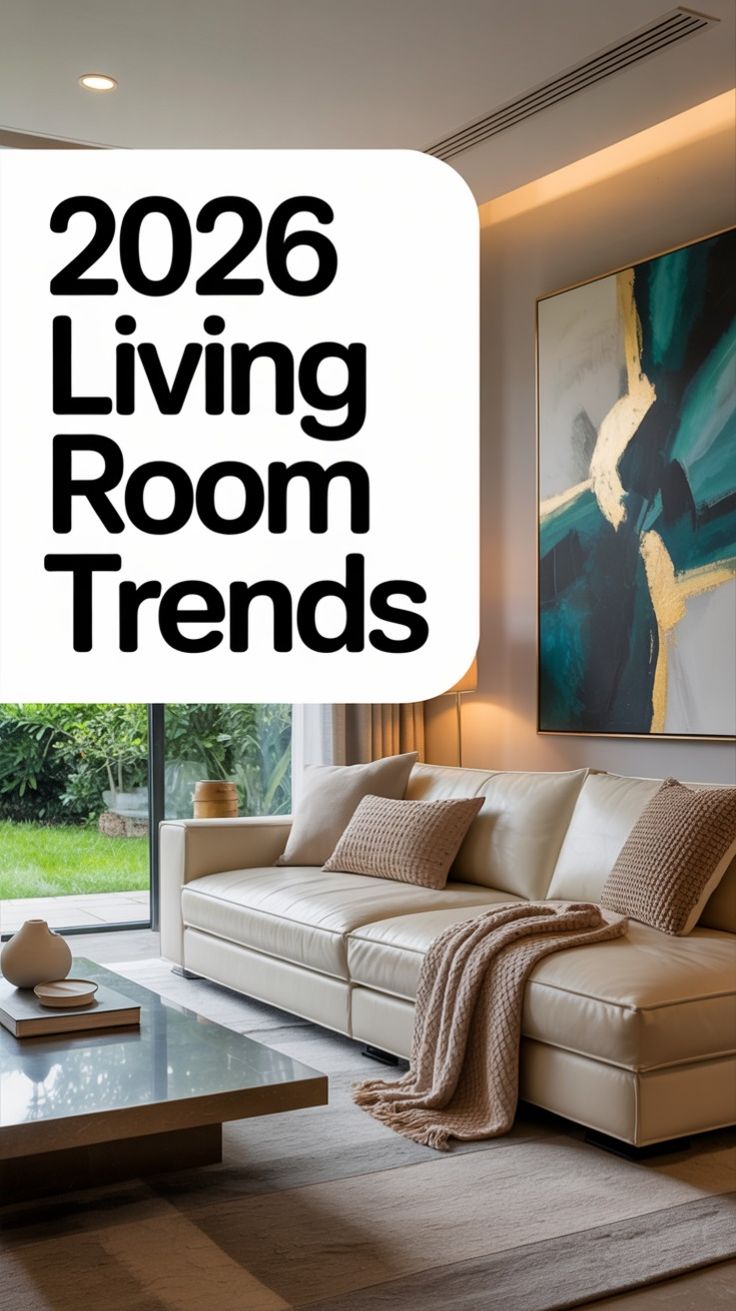
In 2026, living rooms are less about a single trend and more about a feeling: calm, usable, and personal. If you’re new to interior design, the sheer number of “styles” can feel overwhelming. The good news is that today’s popular looks are approachable, affordable, and easy to mix with what you already own. This guide breaks down four living room styles that beginners can actually implement this year—no whirlwind of shopping required.
We’ll cover what makes each look unique, the starter pieces to buy, and simple ways to layer texture and warmth without overhauling your space. If you’d like to dive deeper, these related reads are friendly on the wallet and the mood: Hug-Worthy Havens: A Beginner’s Playbook for Creating a Warm, Welcoming Living Room, Moody Romantic Bedroom Ideas To Unwind In, and 18 Easy Small Bathroom Decoration Ideas to Achieve a Luxury Style.
Japandi-Inspired Simplicity
Japandi fuses the best of two worlds: Scandinavian lightness and Japanese minimalism. The vibe is clean, uncluttered, and naturally warm. It’s the ideal starting point for beginners because you can achieve a refined look with a small handful of carefully chosen pieces.
- Color palette: Soft beiges, warm whites, pale grays, and natural wood tones.
- Furniture: Low-profile sofa, slim coffee table with clean lines, and a single accent chair in a natural weave.
- Textures: Linen, cotton, wool throws, and a touch of leather for contrast.
- Lighting: Layered lighting with warm bulbs; avoid harsh overhead glare.
Tips to begin: start with a neutral base and add one statement wood piece to anchor the room. A simple rug with texture can define a seating area without crowding the space.

Where it fits best
Small apartments or rooms with good natural light thrive with Japandi. It gives a sense of airiness while still feeling “cozy enough” to live in daily. If you tend to collect items, let a few standout pieces do the talking and keep other surfaces minimal.
Common mistakes to avoid
Overloading with too many wooden tones or piling on heavy decor can overwhelm the calm. Keep surfaces sparsely decorated and use negative space to your advantage.

Biophilic Warmth
Biophilic design centers around nature—plants, natural textures, and daylight. It’s about creating an environment that feels fresh, vibrant, and deeply comfortable. You don’t need a green thumb to start; even a few well-placed plants can transform the mood.
- Color palette: Greens, warm neutrals, and earthy accents.
- Furniture: Plush seating, wood accents, and woven pieces like rattan or seagrass.
- Textures: Live plants, jute rugs, wool blankets, stone or wood surfaces.
- Lighting: Maximize daylight; add warm lamps to soften late-evening hours.
Practical starter: choose a focal plant or a small plant trio on a shelf, then layer in a textured throw and a natural fiber rug to ground the space.

Plant placement ideas
Place a tall plant in a corner where it can reach light, and use a few smaller planters on surfaces to create a living “scenery” around your seating area.
Budget-friendly greens
Look for forgiving varieties like pothos, ZZ plant, or snake plant. These thrive on neglect and need minimal care while still delivering the biophilic effect.

Soft Maximalism
Maximalism isn’t about chaos; it’s about layering color, texture, and personal finds so the room tells a story. The soft version leans toward plush textiles, warm tones, and curated patterns that feel luxurious but livable.
- Color palette: Rich creams, warm terracotta, muted greens, and accents of sapphire or even amber.
- Furniture: A mix of eras—think a modern sofa paired with a vintage lamp and a mid-century coffee table.
- Textures: Velvet, boucle, quilted cushions, faux fur throws, layered rugs.
- Lighting: A statement ceiling fixture or a bold floor lamp plus several smaller lamps for mood.
How to start: replace a few cushions with textured options, add a statement rug, and layer textures so the room feels tactile and inviting rather than flat.

Texture layering made easy
Build a tactile journey by combining patterns with solid colors, then anchor everything with a unifying wood tone or metal finish to keep the look cohesive.
Color and scale balance
Smarter color choice matters more than quantity. If you’re unsure, test one bold hue on a small piece of upholstery or a single rug, then expand gradually as you gain confidence.

Vintage-Modern Mashup
A vintage-modern mix brings character through classic silhouettes while staying practical with contemporary comforts. The key is to let one or two vintage anchors shine and surround them with updated pieces so the space feels curated, not crowded.
- Color palette: Soft whites, muted olives, gentle blues, with age-warmed wood tones.
- Furniture: A mid-century sofa as a centerpiece, paired with a sleek modern console and a sculptural coffee table.
- Textures: Leather accents, wood grains, woven fabrics, and glass for contrast.
- Lighting: Natural light complemented by a statement pendant or artisan-inspired light fixture.
Practical balance: choose a couple of vintage pieces that speak to you and let modern, streamlined essentials keep the room feeling updated and comfortable.

Conclusion: Quick Wins to Launch Any Look
Starting a new living room style doesn’t require a full makeover. Identify your favorite mood—calm minimal, plant-forward, cuddly textures, or character-rich vintage—and begin with the smallest possible change: a plant, a pillow, a rug, or a single piece of furniture.
Measure your space, set a budget, and give yourself permission to reimagine. A well-placed lighting change or a single textured throw can shift the entire atmosphere. And if you want guided inspiration, these beginner-friendly reads are a great next step: Hug-Worthy Havens for cozy living rooms, Moody Romantic Bedroom Ideas for a mood shift, and 18 Easy Small Bathroom Decoration Ideas for a touch of luxury in tight spaces.
Ready to explore more? Start with a simple mood board, pull a few fabric swatches, and note how you respond to different textures and colors in your space. Your 2026 living room is closer than you think—one thoughtful choice away from feeling like you.