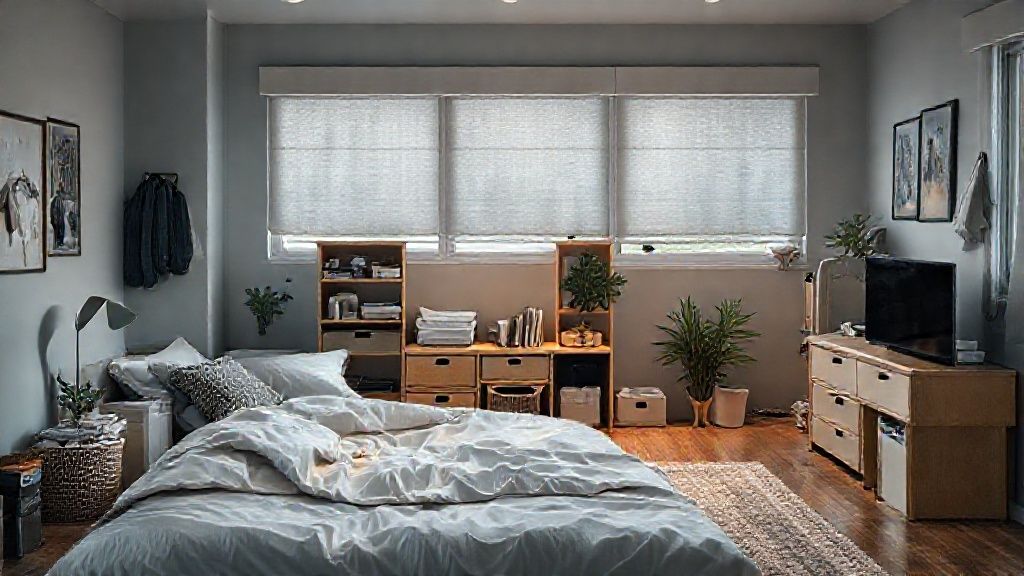
Welcome to your 2026 bedroom playbook—designed for real life, real budgets, and real sleep. If you’re a first-timer at giving a bedroom a thoughtful refresh, you don’t need a designer or a long shopping list. You need a plan that blends comfort, texture, and a touch of personality. Below are 15 trends that are easy to implement, beginner-friendly, and scalable as your space—and your wallet—allows.
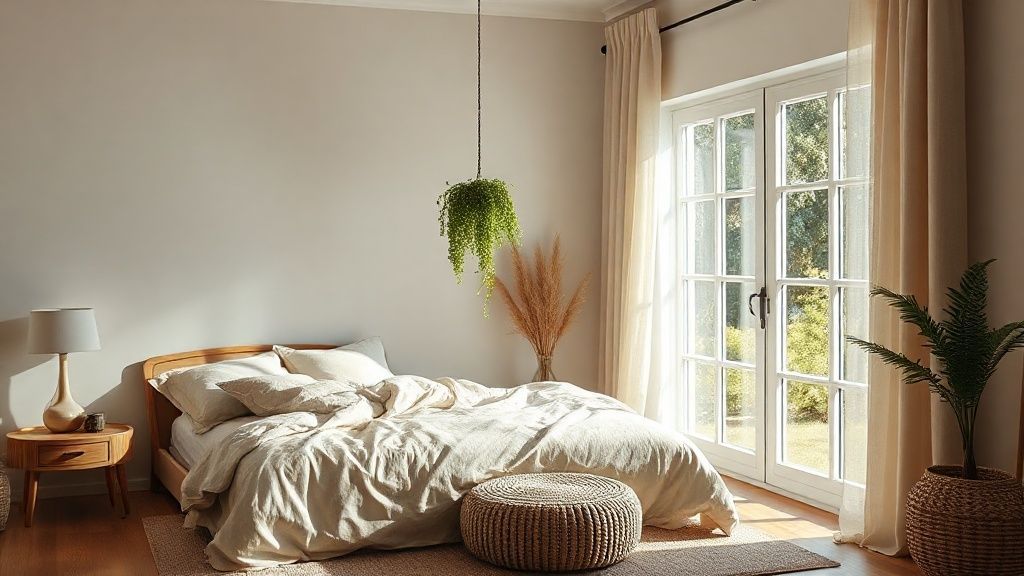
Trend 1: Biophilic design—bring nature inside
Nature isn’t just decoration; it’s a tool for calm and focus. Start with two to four easy-care plants that thrive on indirect light. Choose natural materials for surfaces—wood gravels, stone coasters, rattan baskets—and layer textures so the room feels alive to the touch. Let daylight do the heavy lifting: sheer curtains or light shades keep light soft while you enjoy the outside in.
- Place a low-maintenance plant trio in a corner to anchor the room.
- Incorporate wood tones in furniture and accents to warm the palette.
- Select fabrics with natural fibers like cotton, linen, or wool.
Trend 2: Soft, warm color palettes that grow with you
Instead of high-contrast schemes, lean into warm neutrals—sand, taupe, greige, and creamy whites. These tones ease color transitions between seasons and pair beautifully with bold art or textiles when you want a switch-up. Test palettes with large swatches on the wall for a week before committing.
- Choose a dominant hue and two supporting accents for balance.
- Use lighter tones for walls and richer textures for textiles to add depth.
- Keep the ceiling a shade lighter to heighten the sense of space.
Trend 3: Layered lighting for mood and function
Good lighting is a conversation starter. Combine ambient, task, and accent lighting with adjustable brightness. Dimmer switches and warm bulbs (around 2700–3000K) create a cozy glow without waking you up at bedtime. Consider a wall sconce near the bed and a soft floor lamp for reading.
- Place task lighting for desks or vanities within easy reach.
- Use lampshades that diffuse light to reduce glare.
- Keep electronics away from the bed to preserve a soft, distraction-free zone.
Trend 4: Acoustic comfort for deep sleep
Sound matters as much as taste. Soft textiles like a plush rug, curtains with weight, and cork or fabric-covered panels absorb noise. A well-placed rug under the bed or seating area can dramatically quiet footfalls and create a cozier atmosphere.
- Layer textiles to dampen echoes from hallways or street noise.
- Choose heavier drapes for blackout and sound dampening.
- Test a small acoustic panel behind the headboard for a subtle improvement.
Trend 5: Flexible furniture that grows with you
Multi-use pieces save space and money. A bed with storage drawers, a fold-out desk, or a slim dressing table can adapt as your needs change. For beginners, start with a versatile nightstand that can hold a lamp, a book, and a glass of water without crowding the side of the bed.
- Pick modular furniture that can be reconfigured later.
- Measure carefully for doorways and traffic flow to avoid crowding.
- Invest in quality basics now; you can swap decorative accents later.
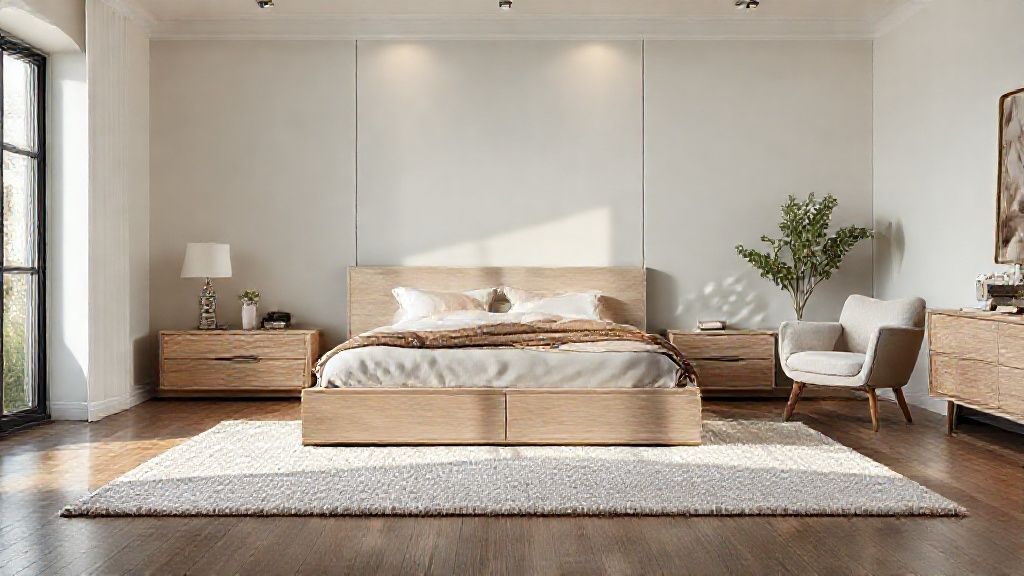
Trend 6: Textures that feel expensive on a budget
Texture is where a room stops looking flat. Mix boucle, linen, wool, and matte ceramics to create depth without a big price tag. Layer in a tactile throw, a cable-knit blanket, and a woolly rug to invite touch and comfort.
- Texture contrast matters more than flashy color bursts.
- Rotate textiles seasonally to reinvent the space with minimal cost.
- Maintenance matters: choose easy-care fabrics where possible.
Trend 7: Tech that disappears
Tech should support sleep, not hijack it. Consolidate outlets into a single charging hub, hide the power strip behind furniture, and keep screens off the nightstands. If you use a smart speaker, place it away from the bed or use a voice-activated routine to dim lights and lower the thermostat at night.
- Avoid bright LEDs in the sleeping zone; opt for soft, indirect lighting instead.
- Choose low-VOC paints and finishes to minimize odors around electronics.
- Set a wind-down routine that disconnects screens 30 minutes before bed.
Trend 8: Personal touches with art and stories
Your room should tell a story, not imitate a magazine. Curate a few meaningful pieces—family photos in simple frames, a favorite painting, a textile you love—and display them in a cohesive, non-cluttered arrangement. Balance bold pieces with calm negatives space so the room doesn’t feel busy at night.
- Choose art sizes that relate to wall area for proportion.
- Mix frames and textures but keep a consistent color thread.
- Rotate a couple of pieces every season to keep it fresh.
Trend 9: Wellness corners for daily rituals
Designate a small corner for reading, journaling, or quiet meditation. A comfortable chair, a small plant, and a low-profile shelf with a few books can become your mental reset. Even a compact incense burner or essential oil diffuser can cue your brain to unwind.
- Keep this area clearly separate from the bed for mental cues toward rest.
- Use a warm lamp and soft textiles to invite lingering evenings.
- Limit tech in this zone to preserve calm vibes.
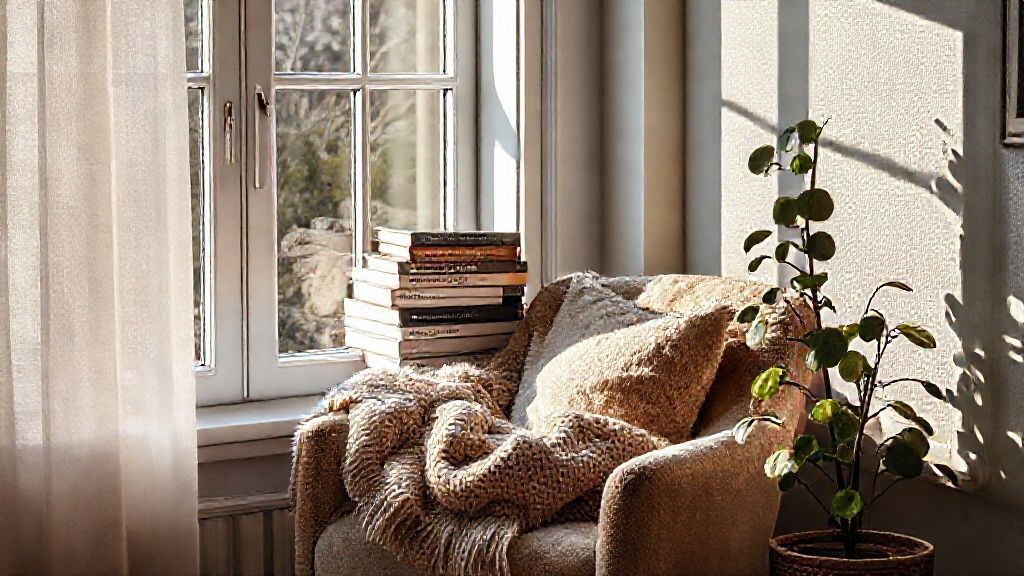
Trend 10: Sustainable materials you can feel good about
Eco-conscious choices don’t have to be loud or expensive. Look for low-VOC paints, reclaimed wood accents, and fabrics from people-friendly suppliers. Even small swaps—organic cotton sheets or a reusable storage basket—add up over time without overwhelming your budget.
- Prioritize durable fabrics you’ll reuse for years.
- Avoid single-use decor; opt for timeless pieces with a story.
- Check certifications and local sources to reduce footprint.
Trend 11: A headboard that makes a statement
A headboard can be a room’s sculptural anchor. Choose a piece with clean lines for a modern look or a padded, softly curved option for comfort. If you’re on a tight budget, upholster a basic board with removable fabric covers for a quick, high-impact upgrade.
- Match the headboard height to ceiling height and bed size.
- Pair it with layered lighting at different heights to highlight the feature.
- Use a simple, cohesive color family to keep the look calm.
Trend 12: Window treatments and ceiling details
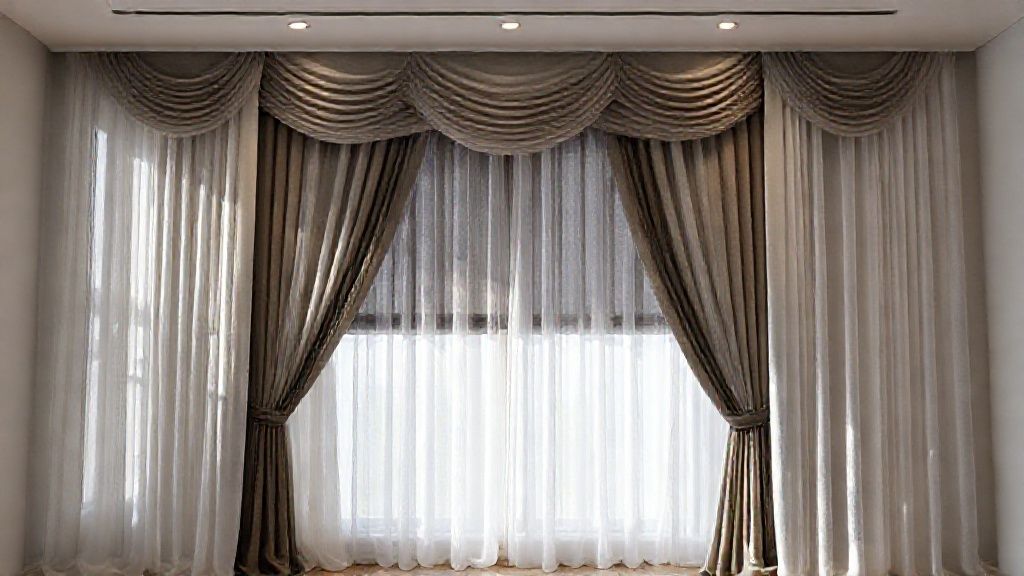
Window treatments control light and temperature while influencing the room’s mood. Start with blackout curtains for better sleep and layer with sheer panels for daytime softness. A light ceiling color or subtle ceiling beams can make the room feel taller and more intentional.
- Choose curtains with room-darkening lining for better sleep quality.
- Consider a simple ceiling color or a gentle shade to draw the eye upward.
- Keep window hardware minimal to maintain clean lines.
Trend 13: Clutter-proof storage that feels invisible
Clutter isn’t bad layout; it’s a symptom. Build storage into the room’s architecture—under-bed drawers, wall-mounted units, or a slim dresser that doesn’t overpower the space. Use baskets and labeled boxes to keep things tidy, but keep the top surfaces clear so the room breathes.
- Label bins for easy access without creating visual chaos.
- Designate a daily routine to reset surfaces before bed.
- Choose pieces with soft edges to maintain a calm vibe.
Trend 14: Budget-friendly upgrades that punch above their weight
You don’t need a big budget to transform a room. Swap in a new duvet cover, a textured rug, or a set of coordinated lamps. Small batches of decor—one art piece, one plant, one interesting lighting fixture—can change the mood more than a single large purchase.
- Prioritize a single high-impact upgrade per month.
- Shop second-hand or vintage markets for unique finds.
- Keep a running mood board to guide future purchases.
Trend 15: Build a 2026 mood board you can live with
A mood board is a living plan. Start with your three non-negotiables—comfort, light control, and a sense of place—and then add colors, textures, and furniture ideas that support them. Revisit and refine as you shop; the best spaces are the ones that evolve with you.